Top fixes
Top Audi A3 fixes every owner should know
Cheap, practical fixes for the Audi A3 faults you actually meet, with rough costs and what a garage will charge.
Updated 4th September 2026 DVSA data: Across 417,863 recorded MOT tests, 20.1% failed.
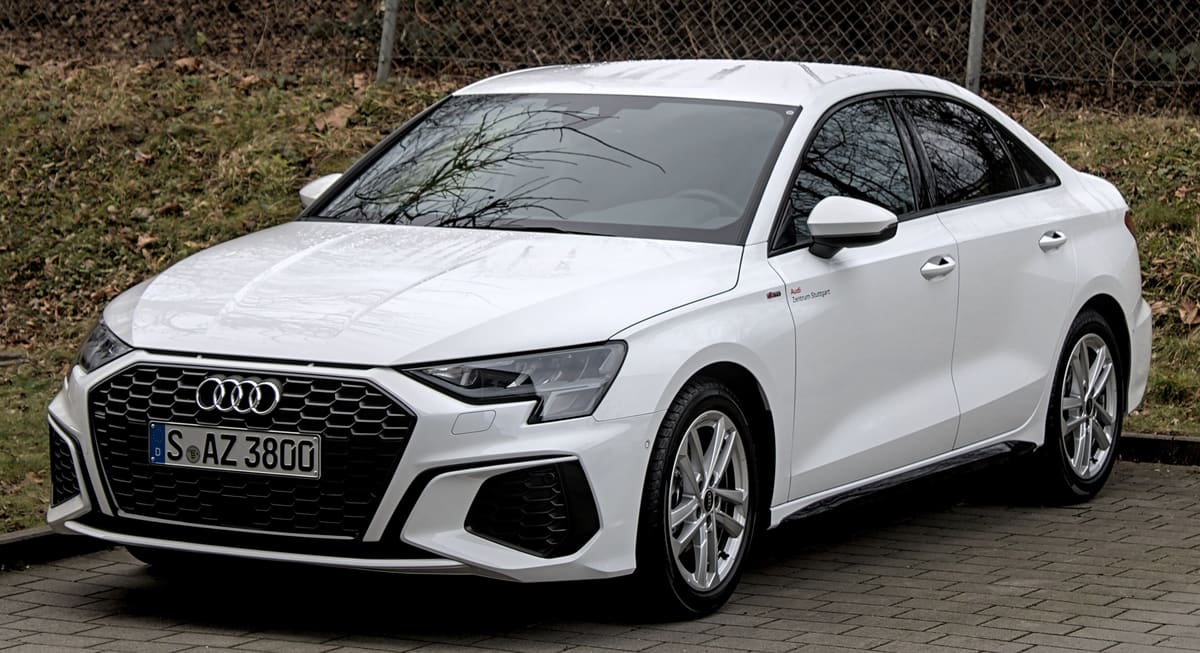
The Audi A3 is generally a reliable car but can experience some common issues that require attention. Practical fixes include addressing timing chain tensioner noise, resolving electrical gremlins, replacing worn suspension components, and tackling turbocharger problems. Some repairs can be done at home with basic tools, while others need professional diagnostics and garage intervention.
Timing Chain Tensioner Noise
A rattling or ticking noise from the engine, especially on cold starts, often points to a timing chain tensioner issue. The tensioner keeps the timing chain tight, and if it fails, the chain can slacken, causing noise and potentially serious engine damage.
The likely cause is a worn or faulty tensioner or guide. This is more common on older A3 models or those with high mileage. Repair involves removing the engine cover and timing chain components to replace the tensioner and any worn guides.
This is generally a garage job due to the complexity and precision required. Incorrect installation can lead to engine timing problems, so professional tools and expertise are essential.
Electrical System Glitches
Owners sometimes report intermittent electrical faults such as dashboard warning lights flickering, central locking failures, or infotainment system glitches. These symptoms often stem from poor electrical connections or failing control modules.
The cause may be corroded connectors, a weak battery, or a malfunctioning body control module. Repairs typically involve cleaning and securing connectors, checking the battery condition, and, if necessary, replacing faulty modules.
Basic checks like battery health and connector cleaning can be DIY tasks for those comfortable with car electrics. However, diagnosing control module faults usually requires a garage with diagnostic equipment.
Suspension Wear and Noise
Clunking noises over bumps or uneven tyre wear can indicate worn suspension components such as drop links, bushes, or shock absorbers. The A3’s suspension is designed for a balance of comfort and handling, but wear over time is inevitable.
Likely causes include degraded rubber bushes or failing shock absorbers, which affect ride quality and handling safety. Repair involves replacing the worn parts, which may require wheel removal and suspension disassembly.
Replacing drop links or bushes can be a DIY job with the right tools and some mechanical knowledge. Shock absorber replacement is more involved and may be better left to a garage, especially if wheel alignment is needed afterwards.
Turbocharger Issues
Some Audi A3 models fitted with turbocharged engines can experience turbo lag, loss of power, or unusual noises from the turbo area. These symptoms often relate to turbocharger wear or problems with associated components like the boost control valve.
The cause can be carbon build-up, worn turbo bearings, or leaks in the intake or intercooler hoses. Repairs range from cleaning the turbo system to replacing faulty parts.
Cleaning intake hoses and checking for leaks is a DIY-friendly task. However, turbo replacement or repair is complex and requires specialist skills, so it is best handled by a garage.
Brake System Maintenance
Squealing brakes, reduced braking performance, or a spongy pedal feel are common issues that can arise from worn brake pads, discs, or air in the brake lines. The braking system is critical for safety and must be maintained properly.
The cause is usually normal wear and tear. Repair involves replacing brake pads and discs as necessary and bleeding the brake system to remove air.
Brake pad replacement is a DIY job for those with experience and proper tools, but brake disc replacement and fluid bleeding are better done in a garage to ensure safety and correct operation.
Cooling System and Thermostat Problems
Overheating or fluctuating engine temperature gauge readings can be signs of cooling system issues, often related to a faulty thermostat or coolant leaks. Maintaining correct engine temperature is vital for engine longevity.
The thermostat may stick open or closed, causing temperature irregularities. Repair involves draining some coolant, removing the thermostat housing, replacing the thermostat, and refilling the system.
Thermostat replacement is a moderately challenging DIY job for those comfortable working under the bonnet, but coolant handling requires care to avoid spills and airlocks. If unsure, a garage should carry out the repair.
Audi A3 recall record
24 recalls have been issued for the Audi A3, between 1997 and 2025.
Stop-drive TAKATA PSAN
R/2025/387Issued 8 August 2025
Urgent Safety Warning – Do Not Drive Your Vehicle Affected vehicles were originally allocated to or used for an extended period of time in a region with a climate zone considered to as HIGH RISK. Certain front airbags contain an ageing inflator propellant that may explode when deployed due to long-term exposure to heat and humidity. If the airbag inflator explodes metal fragments may be ejected causing life-threatening or fatal injuries to anyone in the vehicle.
Remedy:Affected airbags will be be replaced. You can contact Audi's dedicated Takata Stop Drive helpline at 0113 526 9646 (MONDAY to FRIDAY 9:00AM to 5:00PM.
Affects cars built Oct 2005 to Dec 2012
Replacing TAKATA driver airbag
R/2024/312Issued 13 August 2024
On imported Audi vehicles previously used in a warm climate zone and fitted with TAKATA driver airbag manufactured within a specific period it is possible that the gas generator housing may cause small metal parts to become dislodged from the housing and potentially injure the driver or a passenger.
Remedy:As a precautionary safety measure it is necessary to replace the gas generator in the airbag unit on the driver side of the vehicle.
Affects cars built Jun 2005 to Nov 2012
On affected vehicles an electrical connector for the power supply for the fuse carrier in the interior of the vehicle may have not been installed correctly.
R/2023/254Issued 22 August 2023
On affected vehicles an electrical connector for the power supply for the fuse carrier in the interior of the vehicle may have not been installed correctly.
Remedy:Check the electrical connection and secure if necessary.
Affects cars built Mar 2020 to May 2023
RESTRAINING CAPACITY OF THE BELT SYSTEM FOR THE FRONT SEATS MAY BE LOWER THAN INTENDED IN THE EVENT OF AN ACCIDENT
R/2022/303Issued 20 October 2022
The restraining capability of the belt system for the front seats may be lower than intended in the event of an accident.�
Remedy:As a precautionary safety measure it is necessary to replace both front seat belts. Advice is given�against transporting children on the front passenger seat until the seat belts have been replaced.�
Affects cars built Sept 2021 to Nov 2021
20 older recalls not shown.
A recall applies to a build range, not to every car of this model. Check a registration to see whether one specific vehicle has an outstanding recall.
Audi A3 MOT record
From 417,863 recorded MOT tests, 20.1% failed.
| Registered | Tests | Failed | Median mileage |
|---|---|---|---|
| 2023 | 916 | 6.4% | 22,453 mi |
| 2022 | 17,377 | 9.5% | 25,764 mi |
| 2021 | 20,237 | 9.7% | 34,343 mi |
| 2020 | 15,520 | 10.0% | 38,300 mi |
| 2019 | 20,603 | 11.5% | 47,184 mi |
| 2018 | 26,627 | 11.2% | 54,201 mi |
| 2017 | 33,430 | 12.5% | 63,910 mi |
| 2016 | 38,437 | 14.0% | 72,457 mi |
Most common reasons for failure
- Tyre tread depth not in accordance with the requirements32.0%
- A tyre seriously damaged20.8%
- A suspension pin, bush or joint excessively worn18.6%
- A suspension component excessively damaged or corroded14.3%
- A spring or spring component fractured or seriously weakened14.2%
Figures cover every Audi A3 tested in the DVSA dataset, not this specific car. Check a registration for the actual history of one vehicle.
Audi A3 official figures
Median across 24 variants on sale, diesel, electricity / petrol, petrol, petrol electric.
- Combined economy
- 51.4 mpg
- WLTP median across variants
- CO2 emissions
- 127 g/km
- Sets the first-year tax rate
Official figures for new cars. Real economy varies with driving, load and conditions.
Frequently asked questions
What common problems should I look out for in an Audi A3?
Common issues with the Audi A3 include electrical faults, turbocharger problems, and suspension wear. Regular maintenance and checks can help mitigate these issues.
How does the Audi A3 compare to its competitors?
The Audi A3 is often praised for its premium interior quality, smooth ride, and advanced technology features. It competes well with models like the BMW 1 Series and Mercedes-Benz A-Class, offering a balance of performance and comfort.
Sources
- DVSA anonymised MOT tests and results (Open Government Licence v3.0)
- VCA new car fuel consumption and emissions data (Open Government Licence v3.0)
- DVSA vehicle safety recalls (Open Government Licence v3.0)