Recall history
Audi A3 recall history: what has been recalled and why
Audi A3 recall history: which model years were affected, what was fixed, and how to check your own car.
Updated 4th September 2026 DVSA data: Across 417,863 recorded MOT tests, 20.1% failed.
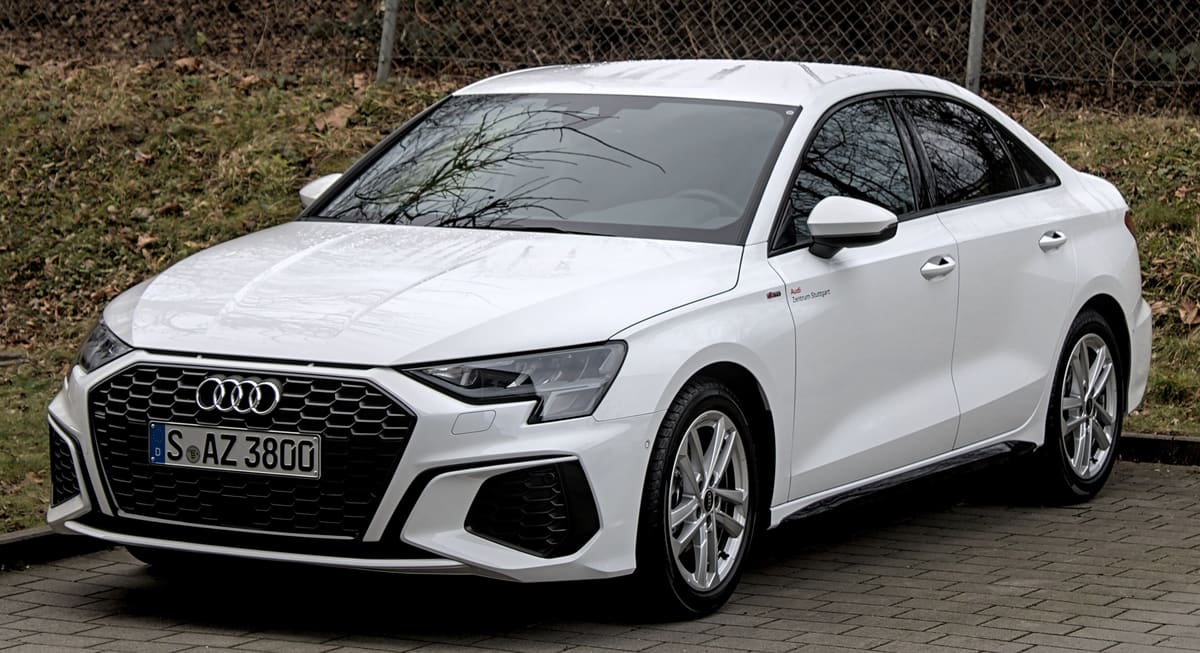
The Audi A3 has experienced several recalls over the years, primarily addressing issues related to safety and performance. Key recalls have involved problems with the airbag system, fuel supply, and electrical faults. Affected models span various build years, with many recalls still active, necessitating checks for current status.
Airbag System Issues
One of the most significant recalls for the Audi A3 involved the airbag system. Certain models were found to have faulty airbag inflators that could fail to deploy in the event of a collision. This issue was primarily noted in vehicles manufactured between 2010 and 2015.
The recall was initiated to ensure the safety of drivers and passengers, as a non-deploying airbag could lead to severe injuries. Audi advised owners to check their vehicle identification number (VIN) to determine if their car was affected. The recall status for these vehicles remains critical, as many owners may still be unaware of the necessary repairs.
Fuel Supply Problems
Another notable recall affected the fuel supply system in Audi A3 models produced between 2012 and 2015. Some vehicles were reported to have a potential fuel leak, which posed a fire risk.
Owners were encouraged to bring their vehicles to an authorised dealer for inspection. The recall aimed to prevent any dangerous situations arising from fuel leaks, ensuring the safety of both the driver and other road users. Current status checks are essential for owners of affected models to confirm that repairs have been completed.
Electrical Faults
Electrical issues have also led to recalls for the Audi A3, particularly concerning the vehicle’s electronic stability control (ESC) system. Models manufactured between 2015 and 2018 were identified as having potential faults that could impair the ESC’s functionality, increasing the risk of loss of control.
Audi’s response involved notifying owners and advising them to visit their local dealership for a software update. This proactive measure aimed to rectify the issue and enhance the vehicle’s safety features. It is advisable for owners to verify whether their vehicle has undergone the necessary updates to ensure optimal performance.
Transmission Concerns
Reports indicated that the transmission could unexpectedly disengage, leading to a loss of power while driving.
Audi took immediate action by recalling affected vehicles to inspect and, if needed, replace the transmission control unit. This recall highlights the importance of regular maintenance and checks, as transmission issues can significantly impact vehicle safety and drivability. Owners should confirm the status of their vehicle to ensure it has been addressed.
Brake System Recalls
Brake system reliability is paramount for any vehicle, and the Audi A3 has faced recalls concerning its braking components. Certain models from 2016 to 2019 were found to have issues with the brake booster, which could lead to reduced braking performance.
To mitigate risks, Audi initiated a recall to inspect and replace the affected components. Owners were urged to act quickly, as compromised braking could lead to serious accidents. It is crucial for Audi A3 owners to stay informed about their vehicle’s recall status and ensure any necessary repairs are completed.
Current Recall Status and Importance of Checks
The current recall status for the Audi A3 varies by model year and specific issues. Owners are encouraged to regularly check for any outstanding recalls, as some may not have been resolved. The DVSA MOT data provides a useful resource for tracking recalls and ensuring compliance with safety standards.
It is vital for Audi A3 owners to remain vigilant about recalls, as unresolved issues can pose significant risks. Regularly checking the vehicle’s VIN against recall databases can help ensure that any necessary repairs are completed promptly. By staying informed, owners can maintain their vehicle’s safety and performance, contributing to a safer driving experience for everyone on the road.
Audi A3 recall record
24 recalls have been issued for the Audi A3, between 1997 and 2025.
Stop-drive TAKATA PSAN
R/2025/387Issued 8 August 2025
Urgent Safety Warning – Do Not Drive Your Vehicle Affected vehicles were originally allocated to or used for an extended period of time in a region with a climate zone considered to as HIGH RISK. Certain front airbags contain an ageing inflator propellant that may explode when deployed due to long-term exposure to heat and humidity. If the airbag inflator explodes metal fragments may be ejected causing life-threatening or fatal injuries to anyone in the vehicle.
Remedy:Affected airbags will be be replaced. You can contact Audi's dedicated Takata Stop Drive helpline at 0113 526 9646 (MONDAY to FRIDAY 9:00AM to 5:00PM.
Affects cars built Oct 2005 to Dec 2012
Replacing TAKATA driver airbag
R/2024/312Issued 13 August 2024
On imported Audi vehicles previously used in a warm climate zone and fitted with TAKATA driver airbag manufactured within a specific period it is possible that the gas generator housing may cause small metal parts to become dislodged from the housing and potentially injure the driver or a passenger.
Remedy:As a precautionary safety measure it is necessary to replace the gas generator in the airbag unit on the driver side of the vehicle.
Affects cars built Jun 2005 to Nov 2012
On affected vehicles an electrical connector for the power supply for the fuse carrier in the interior of the vehicle may have not been installed correctly.
R/2023/254Issued 22 August 2023
On affected vehicles an electrical connector for the power supply for the fuse carrier in the interior of the vehicle may have not been installed correctly.
Remedy:Check the electrical connection and secure if necessary.
Affects cars built Mar 2020 to May 2023
RESTRAINING CAPACITY OF THE BELT SYSTEM FOR THE FRONT SEATS MAY BE LOWER THAN INTENDED IN THE EVENT OF AN ACCIDENT
R/2022/303Issued 20 October 2022
The restraining capability of the belt system for the front seats may be lower than intended in the event of an accident.�
Remedy:As a precautionary safety measure it is necessary to replace both front seat belts. Advice is given�against transporting children on the front passenger seat until the seat belts have been replaced.�
Affects cars built Sept 2021 to Nov 2021
THE FUSE IN THE HIGH-VOLTAGE SYSTEM MAY HAVE BEEN MANUFACTURED WITH AN INSUFFICIENT QUANTITY OF EXTINGUISHING SAND
R/2022/085Issued 7 April 2022
The fuse in the high-voltage system (HV system) in vehicles built within a limited period may have been manufactured with an insufficient quantity of extinguishing sand.
Remedy:Insulation must be fitted above the switching unit for the high-voltage battery.
Affects cars built Oct 2020 to Feb 2022
THE BOLTED CONNECTION ON THE INPUT ROD BETWEEN THE ELECTROMECHANICAL BRAKE SERVO AND BRAKE PEDAL CAN BE COME LOOSE
R/2021/323Issued 10 September 2021
The bolted connection of the pull rod between the electromechanical brake servo and brake pedal may come loose resulting in a loss of all service braking ability.�
Remedy:Vehicles are not to be driven and the bolted connection of the input rod between the electromechanical brake servo and brake pedal must be checked and if necessary retightened.
Affects cars built Aug 2020 to May 2021
THE CAMSHAFT ADJUSTER BELT PULLEY MAY BREAK OR THE HOUSING BOLTS MAY COME LOOSE
R/2019/263Issued 9 August 2019
The belt pulley for the camshaft adjuster may break or the bolts for the camshaft adjuster housing may come loose
Remedy:The camshaft adjuster must be replaced on the affected vehicles
Affects cars built Jan 2014 to Sept 2014
POSSIBLE DISCREPANCY IN THE MANUFACTURING PROCESS OF THE CENTRE REAR SEAT HEAD RESTRAINT
R/2019/066Issued 27 February 2019
The centre rear head restraint may not be to specification.
Remedy:Check the head restraint and replace if necessary.
Affects cars built Apr 2018 to Jun 2018
THE MOUNTING FOR THE HEAD RESTRAINT IS NOT CORRECTLY WELDED TO THE OUTER BACKREST FRAME FOR THE REAR SEAT
R/2018/338Issued 30 November 2018
The rear back rest head restraint mounting is not correctly welded.
Remedy:Check and replace rear back rest frame if required.
Affects cars built May 2018 to Sept 2018
STARTER MOTOR MAY MALFUNCTION AND OVERHEAT
R/2018/061Issued 7 March 2018
On vehicles with diesel engines and stop/start system the starter motor may be permanently activated because the return spring in the solenoid switch is bent or broken. If the permanent current supply to the starter motor is not noticed overheating of the component with local scorching damage and a vehicle fire is possible.
Remedy:Recall the vehicles that are likely to be affected and replace the solenoid switch.
Affects cars built Mar 2011 to Nov 2011
PASSENGER AIRBAG MAY NOT DEPLOY AS INTENDED
R/2018/040Issued 6 February 2018
There is a possibility of a faulty weld on the gas generator. If the airbag is deployed there is a risk that parts could be projected into the cabin with risk of injury to the occupants.
Remedy:On affected vehicles replace the front passenger air bag module with a correctly manufactured version.
Affects cars built Jul 2014 to Nov 2014
REAR HUB CARRIERS NOT MANUFACTURED TO CORRECT STANDARD
R/2017/311Issued 17 November 2017
The hardening process for the rear wheel bearing housings may not have been correctly performed. In the worst case this could lead to a fractured housing. Should a fractured housing occur there would be abnormal noises bad tyre wear and a theoretical possibility of wheel loss.
Remedy:Recall the vehicles that are likely to be affected and replace the right and left rear wheel bearing housings.
Affects cars built Aug 2017 to Aug 2017
12 older recalls not shown.
A recall applies to a build range, not to every car of this model. Check a registration to see whether one specific vehicle has an outstanding recall.
Audi A3 MOT record
From 417,863 recorded MOT tests, 20.1% failed.
| Registered | Tests | Failed | Median mileage |
|---|---|---|---|
| 2023 | 916 | 6.4% | 22,453 mi |
| 2022 | 17,377 | 9.5% | 25,764 mi |
| 2021 | 20,237 | 9.7% | 34,343 mi |
| 2020 | 15,520 | 10.0% | 38,300 mi |
| 2019 | 20,603 | 11.5% | 47,184 mi |
| 2018 | 26,627 | 11.2% | 54,201 mi |
| 2017 | 33,430 | 12.5% | 63,910 mi |
| 2016 | 38,437 | 14.0% | 72,457 mi |
Most common reasons for failure
- Tyre tread depth not in accordance with the requirements32.0%
- A tyre seriously damaged20.8%
- A suspension pin, bush or joint excessively worn18.6%
- A suspension component excessively damaged or corroded14.3%
- A spring or spring component fractured or seriously weakened14.2%
Figures cover every Audi A3 tested in the DVSA dataset, not this specific car. Check a registration for the actual history of one vehicle.
Audi A3 official figures
Median across 24 variants on sale, diesel, electricity / petrol, petrol, petrol electric.
- Combined economy
- 51.4 mpg
- WLTP median across variants
- CO2 emissions
- 127 g/km
- Sets the first-year tax rate
Official figures for new cars. Real economy varies with driving, load and conditions.
Frequently asked questions
What recalls have affected the Audi A3 in the UK?
Recalls are issued against individual vehicles rather than a model as a whole, so a model-level yes or no would be guesswork. Enter the registration on Honest Car Check and we check the DVSA record for that specific car. Where DVSA holds no status, confirm it with a franchised dealer using the VIN.
How can I find out if my Audi A3 has been recalled?
Recalls are issued against individual vehicles rather than a model as a whole, so a model-level yes or no would be guesswork. Enter the registration on Honest Car Check and we check the DVSA record for that specific car. Where DVSA holds no status, confirm it with a franchised dealer using the VIN.
What should I do if my Audi A3 is recalled?
Recalls are issued against individual vehicles rather than a model as a whole, so a model-level yes or no would be guesswork. Enter the registration on Honest Car Check and we check the DVSA record for that specific car. Where DVSA holds no status, confirm it with a franchised dealer using the VIN.
Are recalls common for the Audi A3?
Recalls are issued against individual vehicles rather than a model as a whole, so a model-level yes or no would be guesswork. Enter the registration on Honest Car Check and we check the DVSA record for that specific car. Where DVSA holds no status, confirm it with a franchised dealer using the VIN.
Will a recall affect the resale value of my Audi A3?
Recalls are issued against individual vehicles rather than a model as a whole, so a model-level yes or no would be guesswork. Enter the registration on Honest Car Check and we check the DVSA record for that specific car. Where DVSA holds no status, confirm it with a franchised dealer using the VIN.
How do I know if a recall has been resolved on my Audi A3?
Recalls are issued against individual vehicles rather than a model as a whole, so a model-level yes or no would be guesswork. Enter the registration on Honest Car Check and we check the DVSA record for that specific car. Where DVSA holds no status, confirm it with a franchised dealer using the VIN.
Are there any costs associated with recall repairs for the Audi A3?
Recalls are issued against individual vehicles rather than a model as a whole, so a model-level yes or no would be guesswork. Enter the registration on Honest Car Check and we check the DVSA record for that specific car. Where DVSA holds no status, confirm it with a franchised dealer using the VIN.
Sources
- DVSA anonymised MOT tests and results (Open Government Licence v3.0)
- VCA new car fuel consumption and emissions data (Open Government Licence v3.0)
- DVSA vehicle safety recalls (Open Government Licence v3.0)