Running costs
Audi A3 running costs: what UK ownership really costs
Audi A3 UK running costs: fuel or electric, insurance group, road tax, servicing and depreciation.
Updated 4th September 2026 DVSA data: Across 417,863 recorded MOT tests, 20.1% failed.
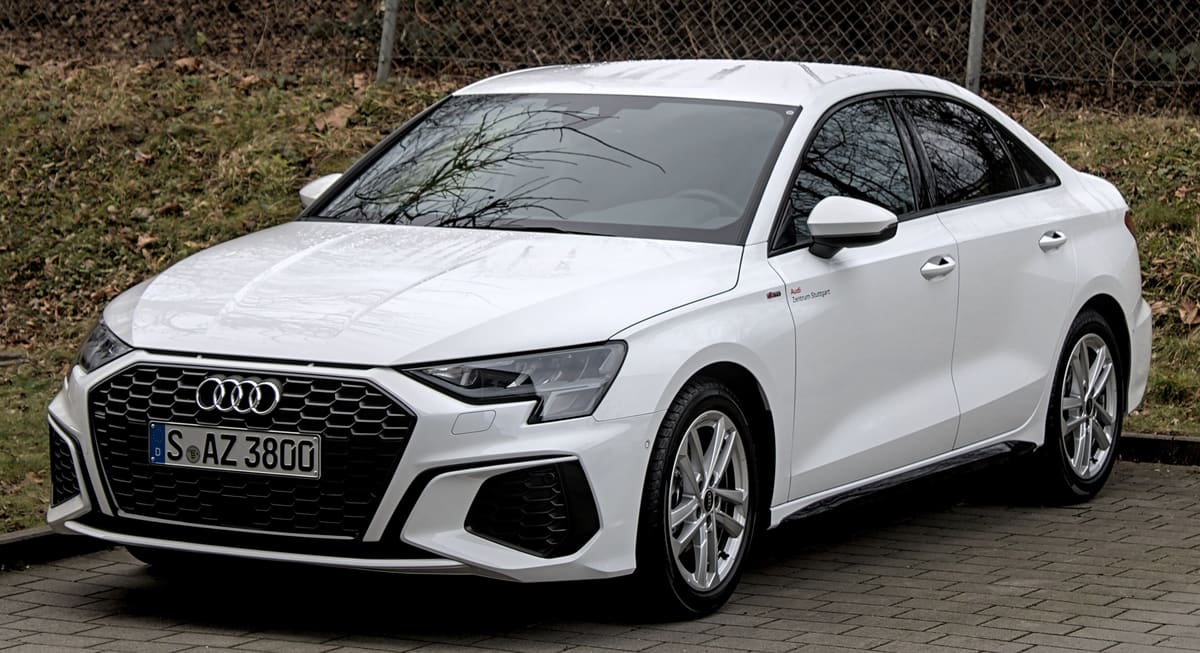
The Audi A3 is a premium hatchback with competitive running costs, appealing to many UK drivers. Fuel economy varies by engine type, insurance groups range from 18 to 40, and road tax is typically reasonable. Servicing intervals are every 12 months or 10,000 miles, and depreciation is moderate, making it a solid choice for ownership.
Fuel Costs
Fuel costs for the Audi A3 depend on the engine variant and driving style.
Drivers should consider their typical driving habits when assessing fuel costs. Urban driving may lead to lower fuel efficiency, particularly in petrol models, while motorway driving can yield better results. Additionally, the introduction of hybrid and electric options has made the A3 more appealing for those looking to reduce fuel expenses.
Insurance Groups
The Audi A3 falls into various insurance groups, ranging from 18 to 40, depending on the model and specification. For instance, the entry-level models tend to be in the lower insurance groups, making them more affordable for younger drivers. In contrast, higher-performance models, such as the S3, are in the upper groups, leading to increased premiums.
When selecting an A3, it is essential to consider the insurance implications. Drivers can use comparison sites to gauge insurance costs for specific models. Additionally, factors such as location, driving history, and security features can influence premiums, so it is wise to shop around for the best deal.
Road Tax
Road tax for the Audi A3 is determined by its CO2 emissions, which vary across different engine types. Generally, petrol models emit between 120-150 g/km, placing them in tax bands B to D. Diesel variants may have slightly higher emissions, leading to higher tax costs. Electric models are exempt from road tax, making them an attractive option for environmentally conscious drivers.
The tax implications can significantly affect the overall running costs of the A3. Owners should be aware of the annual tax charges and factor them into their budgeting. Additionally, changes in government policies regarding emissions may impact future tax rates, making it essential to stay informed.
Servicing Intervals
The Audi A3 requires servicing every 12 months or 10,000 miles, whichever comes first. This regular maintenance helps ensure the vehicle remains in optimal condition and can prevent costly repairs down the line. Audi dealerships offer fixed-price servicing plans, which can help owners manage costs effectively.
During routine servicing, technicians will check essential components such as brakes, tyres, and fluid levels. It is also advisable to keep an eye on the vehicle’s warranty, as failing to adhere to the recommended servicing schedule may void it. Owners may choose to service their A3 at independent garages, which can often provide more competitive pricing.
Depreciation
Depreciation is a significant factor to consider when purchasing an Audi A3. On average, the A3 tends to lose around 50-60% of its value over the first three years, which is relatively standard for vehicles in its class. However, specific models and trims may depreciate at different rates, influenced by factors such as demand and condition.
To mitigate depreciation, it is essential to maintain the vehicle well and keep service records up to date. Additionally, opting for popular engine variants and colours can help retain value.
Audi A3 recall record
24 recalls have been issued for the Audi A3, between 1997 and 2025.
Stop-drive TAKATA PSAN
R/2025/387Issued 8 August 2025
Urgent Safety Warning – Do Not Drive Your Vehicle Affected vehicles were originally allocated to or used for an extended period of time in a region with a climate zone considered to as HIGH RISK. Certain front airbags contain an ageing inflator propellant that may explode when deployed due to long-term exposure to heat and humidity. If the airbag inflator explodes metal fragments may be ejected causing life-threatening or fatal injuries to anyone in the vehicle.
Remedy:Affected airbags will be be replaced. You can contact Audi's dedicated Takata Stop Drive helpline at 0113 526 9646 (MONDAY to FRIDAY 9:00AM to 5:00PM.
Affects cars built Oct 2005 to Dec 2012
Replacing TAKATA driver airbag
R/2024/312Issued 13 August 2024
On imported Audi vehicles previously used in a warm climate zone and fitted with TAKATA driver airbag manufactured within a specific period it is possible that the gas generator housing may cause small metal parts to become dislodged from the housing and potentially injure the driver or a passenger.
Remedy:As a precautionary safety measure it is necessary to replace the gas generator in the airbag unit on the driver side of the vehicle.
Affects cars built Jun 2005 to Nov 2012
On affected vehicles an electrical connector for the power supply for the fuse carrier in the interior of the vehicle may have not been installed correctly.
R/2023/254Issued 22 August 2023
On affected vehicles an electrical connector for the power supply for the fuse carrier in the interior of the vehicle may have not been installed correctly.
Remedy:Check the electrical connection and secure if necessary.
Affects cars built Mar 2020 to May 2023
RESTRAINING CAPACITY OF THE BELT SYSTEM FOR THE FRONT SEATS MAY BE LOWER THAN INTENDED IN THE EVENT OF AN ACCIDENT
R/2022/303Issued 20 October 2022
The restraining capability of the belt system for the front seats may be lower than intended in the event of an accident.�
Remedy:As a precautionary safety measure it is necessary to replace both front seat belts. Advice is given�against transporting children on the front passenger seat until the seat belts have been replaced.�
Affects cars built Sept 2021 to Nov 2021
20 older recalls not shown.
A recall applies to a build range, not to every car of this model. Check a registration to see whether one specific vehicle has an outstanding recall.
Audi A3 MOT record
From 417,863 recorded MOT tests, 20.1% failed.
| Registered | Tests | Failed | Median mileage |
|---|---|---|---|
| 2023 | 916 | 6.4% | 22,453 mi |
| 2022 | 17,377 | 9.5% | 25,764 mi |
| 2021 | 20,237 | 9.7% | 34,343 mi |
| 2020 | 15,520 | 10.0% | 38,300 mi |
| 2019 | 20,603 | 11.5% | 47,184 mi |
| 2018 | 26,627 | 11.2% | 54,201 mi |
| 2017 | 33,430 | 12.5% | 63,910 mi |
| 2016 | 38,437 | 14.0% | 72,457 mi |
Most common reasons for failure
- Tyre tread depth not in accordance with the requirements32.0%
- A tyre seriously damaged20.8%
- A suspension pin, bush or joint excessively worn18.6%
- A suspension component excessively damaged or corroded14.3%
- A spring or spring component fractured or seriously weakened14.2%
Figures cover every Audi A3 tested in the DVSA dataset, not this specific car. Check a registration for the actual history of one vehicle.
Audi A3 official figures
Median across 24 variants on sale, diesel, electricity / petrol, petrol, petrol electric.
- Combined economy
- 51.4 mpg
- WLTP median across variants
- CO2 emissions
- 127 g/km
- Sets the first-year tax rate
Official figures for new cars. Real economy varies with driving, load and conditions.
Frequently asked questions
What are the average fuel costs for an Audi A3?
The fuel costs for an Audi A3 can vary depending on the engine type and driving habits. Generally, you can expect to spend a reasonable amount on fuel, especially with the more efficient diesel models.
How much does insurance typically cost for an Audi A3?
Insurance costs for an Audi A3 can vary widely based on factors like your age, driving history, and location. On average, you might find insurance premiums to be moderate compared to other vehicles in its class.
What are the maintenance costs associated with an Audi A3?
Maintenance costs for an Audi A3 can be higher than average due to its premium status. Regular servicing and parts can add up, so it's wise to budget for these expenses.
Are there any common running costs I should be aware of?
Common running costs for an Audi A3 include fuel, insurance, road tax, and maintenance. Additionally, consider potential costs for tyres and unexpected repairs.
How does the Audi A3's depreciation affect running costs?
The Audi A3 tends to hold its value relatively well, but like all cars, it will depreciate over time. This can impact your overall running costs if you plan to sell or trade it in later.
What is the road tax for an Audi A3?
Road tax for an Audi A3 depends on the engine size and emissions. Generally, newer models with lower emissions may benefit from reduced tax rates.
Is it expensive to repair an Audi A3?
Repair costs for an Audi A3 can be higher than average due to the brand's premium parts and service. It's advisable to factor in potential repair costs when considering ownership.
How does the Audi A3 compare to competitors in terms of running costs?
The Audi A3's running costs are generally competitive within its class, but they can be higher than some non-premium brands. It's important to compare specific models to get a clearer picture.
Sources
- DVSA anonymised MOT tests and results (Open Government Licence v3.0)
- VCA new car fuel consumption and emissions data (Open Government Licence v3.0)
- DVSA vehicle safety recalls (Open Government Licence v3.0)