Reliability
Audi e-tron reliability: how dependable is it really?
What Audi e-tron owners actually report, by year, plus what MOT data tells us about its reliability.
Updated 4th September 2026 DVSA data: Across 18,912 recorded MOT tests, 8.8% failed.
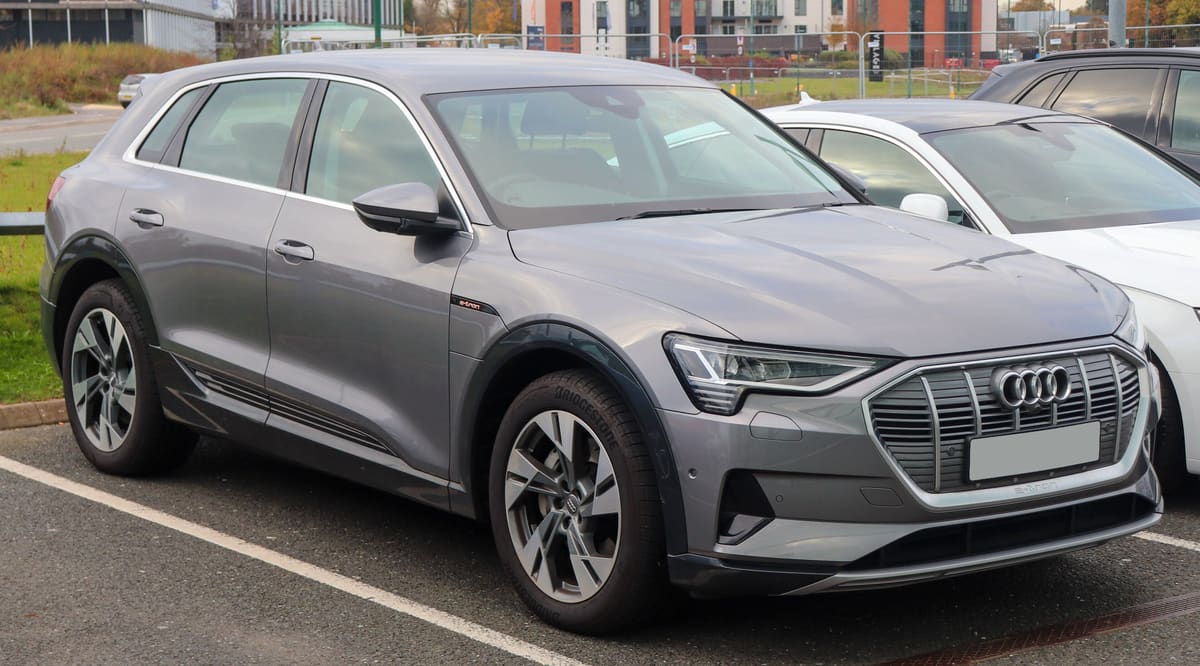
The Audi e-tron is generally considered a reliable electric vehicle, with its dependability improving over the years. Early models faced some issues, but subsequent updates and refinements have enhanced performance and reliability. Overall, the e-tron has shown a solid track record in the UK market.
Overview of Audi e-tron Reliability
The Audi e-tron, launched in 2018, has established itself as a competitive electric SUV. Initial reports indicated some concerns regarding battery performance and software glitches. However, the brand’s commitment to quality and ongoing improvements has helped bolster its reliability ratings over time.
The e-tron’s build quality is generally high, which is a hallmark of the Audi brand. Owners often praise the vehicle’s luxurious interior and advanced technology.
Year-by-Year Breakdown of Reliability
2018 Model Year
The inaugural 2018 Audi e-tron was met with enthusiasm, but it was not without its teething problems. Early adopters reported issues related to the infotainment system and battery management. While these problems were not widespread, they did affect owner satisfaction. The DVSA MOT data indicated a few early failures, primarily linked to electrical systems.
Despite these initial hiccups, many owners appreciated the e-tron’s performance and comfort. Audi responded to feedback with software updates, aiming to rectify early concerns. This proactive approach helped build confidence in the model as it progressed into subsequent years.
2019 Model Year
By 2019, the e-tron saw improvements in reliability, with many of the initial software issues addressed. Owners reported a more stable infotainment experience, and battery performance was optimised.
Additionally, the 2019 model featured improved range and charging capabilities. This made it a more appealing option for UK drivers looking for a reliable electric SUV. The enhancements contributed to a more positive perception of the e-tron, solidifying its place in the electric vehicle market.
2020 Model Year
The 2020 Audi e-tron continued the trend of reliability improvements. With the introduction of new software updates and hardware refinements, many of the previous concerns were largely resolved. Owners reported fewer issues related to battery performance and electrical systems. The DVSA MOT data indicated a decline in failures compared to earlier models.
Furthermore, the 2020 model introduced additional features and options, enhancing the overall driving experience. Audi’s commitment to quality control and customer feedback played a significant role in the e-tron’s growing reputation for reliability. As a result, many drivers felt more confident in their purchase, leading to increased sales.
2021 Model Year
The 2021 Audi e-tron marked another step forward in reliability and overall performance. Audi introduced a range of updates, including improved battery technology and enhanced charging speeds. These changes contributed to a more efficient and dependable vehicle. Owner feedback reflected a high level of satisfaction, with many praising the e-tron’s smooth driving experience.
The 2021 e-tron was particularly well-received for its advanced driver-assistance features, which added to its appeal as a reliable family SUV. Overall, this model year solidified the e-tron’s reputation as a dependable electric vehicle.
2022 Model Year
In 2022, the Audi e-tron maintained its reliability reputation while introducing subtle refinements. Owners appreciated the vehicle’s consistent performance and advanced technology. The DVSA MOT data indicated that the e-tron continued to perform well in terms of safety and reliability, with minimal reported issues.
Audi’s focus on continuous improvement was evident in the 2022 model, which included updates to the infotainment system and additional safety features. These enhancements contributed to a more user-friendly experience, further solidifying the e-tron’s standing in the electric vehicle market. As a result, many drivers viewed the 2022 e-tron as a dependable choice for their electric SUV needs.
2023 Model Year and Beyond
With a strong track record of performance and dependability, the e-tron is well-regarded among electric SUV enthusiasts. The latest models continue to build on previous successes, offering improved technology and features.
Audi’s commitment to quality and customer satisfaction remains a focal point, ensuring that the e-tron continues to evolve and meet the needs of drivers. For those considering an electric SUV, the e-tron stands out as a dependable choice.
Common Issues and Maintenance Considerations
While the Audi e-tron has shown overall reliability, some common issues have been reported across various model years. These include occasional software glitches, battery performance concerns, and electrical system faults. However, many of these issues have been addressed through software updates and recalls, demonstrating Audi’s commitment to resolving problems.
Regular maintenance is essential for ensuring the longevity and reliability of any vehicle, including the e-tron. Owners should adhere to the manufacturer’s recommended service schedule, which typically includes battery checks, software updates, and general inspections. Staying on top of maintenance can help prevent potential issues and ensure a dependable driving experience.
Additionally, it is advisable for e-tron owners to remain informed about any recalls or service bulletins related to their vehicle. Audi’s customer service and support channels can provide valuable information and assistance, helping owners address any concerns promptly.
Owner Experiences and Feedback
Owner feedback plays a crucial role in understanding the reliability of the Audi e-tron. Many drivers have reported positive experiences, highlighting the vehicle’s performance, comfort, and advanced technology. The e-tron’s smooth driving dynamics and spacious interior have garnered praise, contributing to overall satisfaction.
However, some owners have noted minor issues, particularly with the infotainment system and battery range. These concerns are often outweighed by the vehicle’s strengths, and many drivers appreciate Audi’s responsiveness to feedback and commitment to improvement. Overall, the e-tron has fostered a loyal customer base, with many owners recommending it to others seeking a reliable electric SUV.
the Audi e-tron has evolved into a dependable electric vehicle since its launch in 2018. With improvements year by year, it has addressed early concerns and solidified its reputation in the UK market. For those considering an electric SUV, the e-tron remains a strong contender, offering a blend of performance, comfort, and reliability.
Audi e-tron recall record
18 recalls have been issued for the Audi e-tron, between 2019 and 2025.
Checking air spring strut
R/2025/237Issued 2 July 2025
A retaining ring may not be securely seated in the area of the support mounting on the air spring struts on your vehicle. If the retaining ring comes loose from its groove air will escape from the affected air spring strut. This directly impairs the vehicle’s driving dynamics and results in an increased accident risk
Remedy:Check the affected air spring struts and replace them if necessary.
Affects cars built Mar 2025 to Mar 2025
Check high-voltage battery
R/2024/436Issued 8 November 2024
Some individual modules of the high-voltage battery may display technical irregularities. It cannot be ruled out that the battery may overheat under certain circumstances. For safety reasons affected cell modules must be replaced during a workshop visit. Vehicles affected by this should also not be charged above 80% until further notice.
Remedy:The high-voltage battery must be checked on the affected vehicles and if necessary one or more modules must be replaced.
Affects cars built Feb 2021 to Jun 2023
Replace battery module
R/2024/404Issued 16 October 2024
Some individual cell modules of the high-voltage battery may display technical irregularities. It cannot be ruled out that the battery may overheat under certain circumstances with risk of fire and damage to persons or property.
Remedy:Vehicles affected by this should also not be charged above 80% until further notice. Affected cell modules must be replaced during a workshop visit. The corresponding battery module must be replaced on the vehicles affected.
Affects cars built Mar 2021 to Jun 2023
Replacing brake hoses
R/2024/322Issued 30 September 2024
On affected vehicles cracks may occur on the brake hoses on the front axle over time resulting in brake fluid escaping.
Remedy:Replace the front axle brake hoses.
Affects cars built Jan 2020 to Jun 2024
14 older recalls not shown.
A recall applies to a build range, not to every car of this model. Check a registration to see whether one specific vehicle has an outstanding recall.
Audi e-tron MOT record
From 18,912 recorded MOT tests, 8.8% failed.
| Registered | Tests | Failed | Median mileage |
|---|---|---|---|
| 2022 | 5,798 | 9.4% | 27,926 mi |
| 2021 | 6,978 | 8.2% | 37,134 mi |
| 2020 | 5,134 | 8.6% | 42,427 mi |
| 2019 | 1,002 | 10.4% | 48,912 mi |
Most common reasons for failure
- Tyre tread depth not in accordance with the requirements47.7%
- A tyre seriously damaged28.5%
- A tyre cords visible or damaged16.0%
- Defect 100014.0%
- Brake disc or drum excessively weakened, insecure or fractured3.8%
Figures cover every Audi e-tron tested in the DVSA dataset, not this specific car. Check a registration for the actual history of one vehicle.
Audi e-tron official figures
Median across 4 variants on sale, electricity.
- Electric range
- 341 miles
- Manufacturer WLTP figure
Official figures for new cars. Real economy varies with driving, load and conditions.
Frequently asked questions
How reliable is the Audi e-tron compared to other electric vehicles?
The Audi e-tron generally receives positive reviews for reliability, often performing well in comparisons with other electric vehicles. Owners appreciate its build quality and the brand's reputation for engineering.
What common issues should I be aware of with the Audi e-tron?
Some owners have reported minor software glitches and occasional charging issues. Regular maintenance and software updates can help mitigate these concerns.
Is the Audi e-tron covered by a warranty?
Yes, the Audi e-tron typically comes with a manufacturer's warranty that covers the vehicle for a certain number of years or miles. Additionally, there may be separate coverage for the battery.
How does the battery life of the Audi e-tron hold up over time?
The battery life of the Audi e-tron is generally robust, with many owners reporting minimal degradation over several years. Proper charging habits can further extend the battery's lifespan.
Are there any specific maintenance requirements for the Audi e-tron?
The Audi e-tron requires regular servicing, including checks on the battery and electric systems. Following the manufacturer's maintenance schedule is essential for ensuring long-term reliability.
What do owners say about the driving experience of the Audi e-tron?
Owners often praise the Audi e-tron for its smooth and quiet driving experience, as well as its responsive handling. The vehicle is designed to provide a comfortable ride, making it suitable for both city and long-distance driving.
How does the Audi e-tron perform in cold weather?
The Audi e-tron performs well in cold weather, although like all electric vehicles, its range may be slightly reduced in lower temperatures. The vehicle is equipped with features to help manage battery performance in various conditions.
Sources
- DVSA anonymised MOT tests and results (Open Government Licence v3.0)
- VCA new car fuel consumption and emissions data (Open Government Licence v3.0)
- DVSA vehicle safety recalls (Open Government Licence v3.0)