Running costs
Audi e-tron running costs: what UK ownership really costs
Audi e-tron UK running costs: fuel or electric, insurance group, road tax, servicing and depreciation.
Updated 4th September 2026 DVSA data: Across 18,912 recorded MOT tests, 8.8% failed.
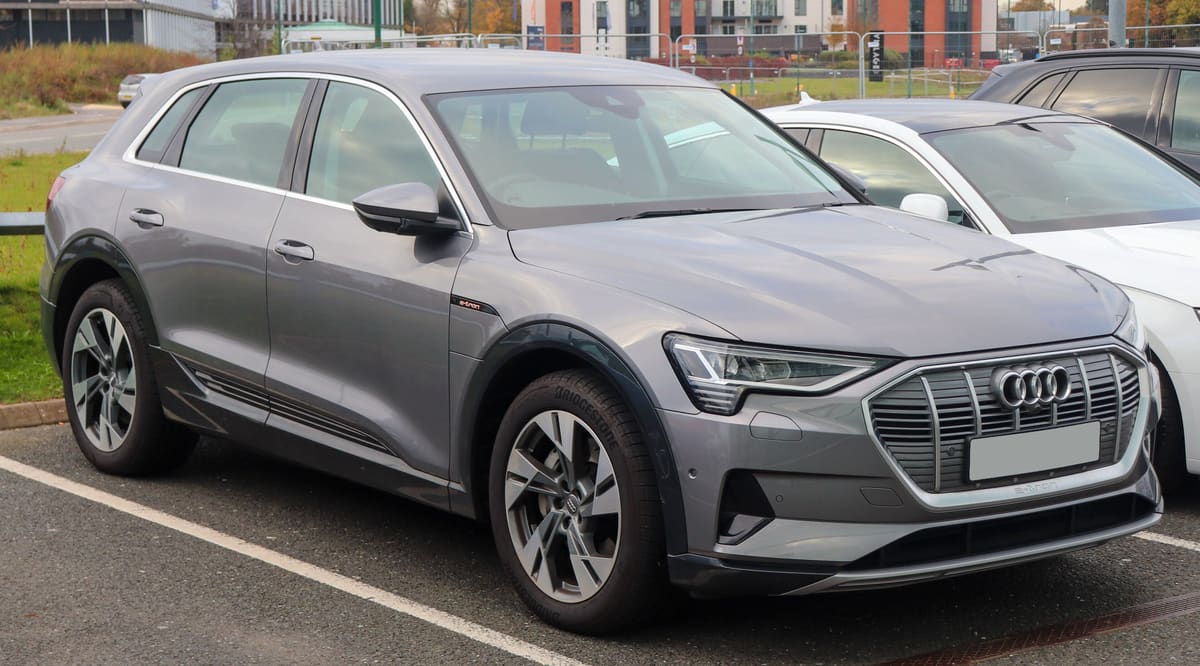
The Audi e-tron offers competitive running costs for an electric vehicle, with low charging expenses, affordable insurance, and minimal road tax. Servicing intervals are reasonable, and depreciation is typical for luxury electric vehicles. Overall, ownership costs are manageable, making it an appealing choice for UK drivers.
Fuel and Electric Costs
The Audi e-tron is fully electric, which means it does not require petrol or diesel. Instead, owners will pay for electricity to charge the vehicle. Charging costs can vary based on the energy provider and whether you charge at home or use public charging stations.
The e-tron has a substantial battery capacity, providing a range of approximately 200 to 250 miles on a full charge. This range makes it suitable for both daily commutes and longer journeys. For many drivers, the overall cost of electricity for the e-tron is significantly lower than the equivalent petrol or diesel vehicle, especially for those who can charge at home overnight when energy prices are lower.
Insurance Group
The Audi e-tron falls into a relatively high insurance group, typically ranging from group 50 to 52, depending on the specific model and trim. This is reflective of its status as a luxury electric vehicle with advanced technology and performance features. Insurance premiums can vary widely based on factors such as the driver’s age, location, and driving history.
While the insurance costs may be higher compared to some conventional vehicles, many drivers find that the overall running costs of electric vehicles can offset these expenses. Additionally, some insurers offer discounts for electric vehicle owners, recognising the lower risk associated with electric cars. It is advisable to shop around for the best insurance quotes to find a policy that suits your needs.
Road Tax
One of the significant advantages of owning an Audi e-tron in the UK is the road tax, or Vehicle Excise Duty (VED). As a fully electric vehicle, the e-tron is exempt from road tax for the first year and falls into the zero-emission tax band. This exemption can lead to substantial savings compared to petrol or diesel vehicles, which incur annual road tax fees based on CO2 emissions.
From the second year onwards, the e-tron will still benefit from a lower tax rate, with electric vehicles facing reduced charges compared to their fossil-fuel counterparts. This tax advantage is a key consideration for many buyers, as it contributes to the overall cost-effectiveness of owning an electric vehicle.
Servicing Intervals
The Audi e-tron has recommended servicing intervals of around 18,000 miles or every two years, whichever comes first. This is relatively standard for electric vehicles, which generally require less frequent servicing than traditional combustion engine vehicles due to fewer moving parts and no oil changes.
However, it is essential to keep up with regular maintenance to ensure the vehicle operates efficiently. This includes checks on the battery system, brakes, and tyres, which can wear differently in electric vehicles. Audi’s warranty and servicing packages can provide peace of mind, covering essential maintenance for the first few years of ownership.
Typical Depreciation
Depreciation rates for electric vehicles, including the Audi e-tron, can be influenced by various factors such as market demand, battery technology, and government incentives.
The e-tron has been well-received in the market, which can help mitigate depreciation compared to less popular models. Factors such as battery life, technology advancements, and overall vehicle condition will also play a significant role in determining resale value. As the electric vehicle market continues to grow, the demand for models like the e-tron may stabilise depreciation rates, making it a more attractive long-term investment.
Conclusion
Overall, the Audi e-tron presents a compelling case for potential owners in the UK. With low fuel costs, favourable insurance rates, and tax benefits, it stands out as a cost-effective option in the luxury electric vehicle segment. The manageable servicing intervals and reasonable depreciation further enhance its appeal. For those considering an electric vehicle, the e-tron is certainly worth a closer look.
Audi e-tron recall record
18 recalls have been issued for the Audi e-tron, between 2019 and 2025.
Checking air spring strut
R/2025/237Issued 2 July 2025
A retaining ring may not be securely seated in the area of the support mounting on the air spring struts on your vehicle. If the retaining ring comes loose from its groove air will escape from the affected air spring strut. This directly impairs the vehicle’s driving dynamics and results in an increased accident risk
Remedy:Check the affected air spring struts and replace them if necessary.
Affects cars built Mar 2025 to Mar 2025
Check high-voltage battery
R/2024/436Issued 8 November 2024
Some individual modules of the high-voltage battery may display technical irregularities. It cannot be ruled out that the battery may overheat under certain circumstances. For safety reasons affected cell modules must be replaced during a workshop visit. Vehicles affected by this should also not be charged above 80% until further notice.
Remedy:The high-voltage battery must be checked on the affected vehicles and if necessary one or more modules must be replaced.
Affects cars built Feb 2021 to Jun 2023
Replace battery module
R/2024/404Issued 16 October 2024
Some individual cell modules of the high-voltage battery may display technical irregularities. It cannot be ruled out that the battery may overheat under certain circumstances with risk of fire and damage to persons or property.
Remedy:Vehicles affected by this should also not be charged above 80% until further notice. Affected cell modules must be replaced during a workshop visit. The corresponding battery module must be replaced on the vehicles affected.
Affects cars built Mar 2021 to Jun 2023
Replacing brake hoses
R/2024/322Issued 30 September 2024
On affected vehicles cracks may occur on the brake hoses on the front axle over time resulting in brake fluid escaping.
Remedy:Replace the front axle brake hoses.
Affects cars built Jan 2020 to Jun 2024
14 older recalls not shown.
A recall applies to a build range, not to every car of this model. Check a registration to see whether one specific vehicle has an outstanding recall.
Audi e-tron MOT record
From 18,912 recorded MOT tests, 8.8% failed.
| Registered | Tests | Failed | Median mileage |
|---|---|---|---|
| 2022 | 5,798 | 9.4% | 27,926 mi |
| 2021 | 6,978 | 8.2% | 37,134 mi |
| 2020 | 5,134 | 8.6% | 42,427 mi |
| 2019 | 1,002 | 10.4% | 48,912 mi |
Most common reasons for failure
- Tyre tread depth not in accordance with the requirements47.7%
- A tyre seriously damaged28.5%
- A tyre cords visible or damaged16.0%
- Defect 100014.0%
- Brake disc or drum excessively weakened, insecure or fractured3.8%
Figures cover every Audi e-tron tested in the DVSA dataset, not this specific car. Check a registration for the actual history of one vehicle.
Audi e-tron official figures
Median across 4 variants on sale, electricity.
- Electric range
- 341 miles
- Manufacturer WLTP figure
Official figures for new cars. Real economy varies with driving, load and conditions.
Frequently asked questions
What are the average running costs for an Audi e-tron?
The average running costs for an Audi e-tron can vary based on usage, but generally include electricity costs, maintenance, and insurance. Many owners find that electric vehicles can be cheaper to run compared to traditional petrol or diesel cars.
How much does it cost to charge an Audi e-tron?
Charging costs depend on your electricity tariff and the charging method used. On average, charging at home can be more economical than using public charging stations, especially if you have a fixed-rate energy plan.
What is the maintenance cost for an Audi e-tron?
Maintenance costs for the Audi e-tron are generally lower than for conventional vehicles due to fewer moving parts. However, regular servicing and battery checks are still essential to ensure optimal performance.
Are there any government incentives for owning an Audi e-tron?
Yes, the UK government offers various incentives for electric vehicle owners, including grants for home charging points and exemptions from certain road taxes. These can help reduce the overall running costs.
How does insurance for an Audi e-tron compare to other vehicles?
Insurance for an Audi e-tron may be higher than for some conventional cars due to its premium status. However, many insurers offer discounts for electric vehicles, which can help offset costs.
What are the tax benefits of owning an Audi e-tron?
Owners of electric vehicles like the Audi e-tron may benefit from lower road tax rates and exemptions from congestion charges in certain areas. These tax benefits can significantly reduce overall running costs.
How does the Audi e-tron's range affect running costs?
The Audi e-tron's range can impact running costs by influencing how often you need to charge. A longer range may reduce the frequency of charging stops, leading to lower overall electricity costs.
Sources
- DVSA anonymised MOT tests and results (Open Government Licence v3.0)
- VCA new car fuel consumption and emissions data (Open Government Licence v3.0)
- DVSA vehicle safety recalls (Open Government Licence v3.0)