Running costs
BMW 1 Series running costs: what UK ownership really costs
BMW 1 Series UK running costs: fuel or electric, insurance group, road tax, servicing and depreciation.
Updated 4th September 2026 DVSA data: Across 378,686 recorded MOT tests, 19.2% failed.
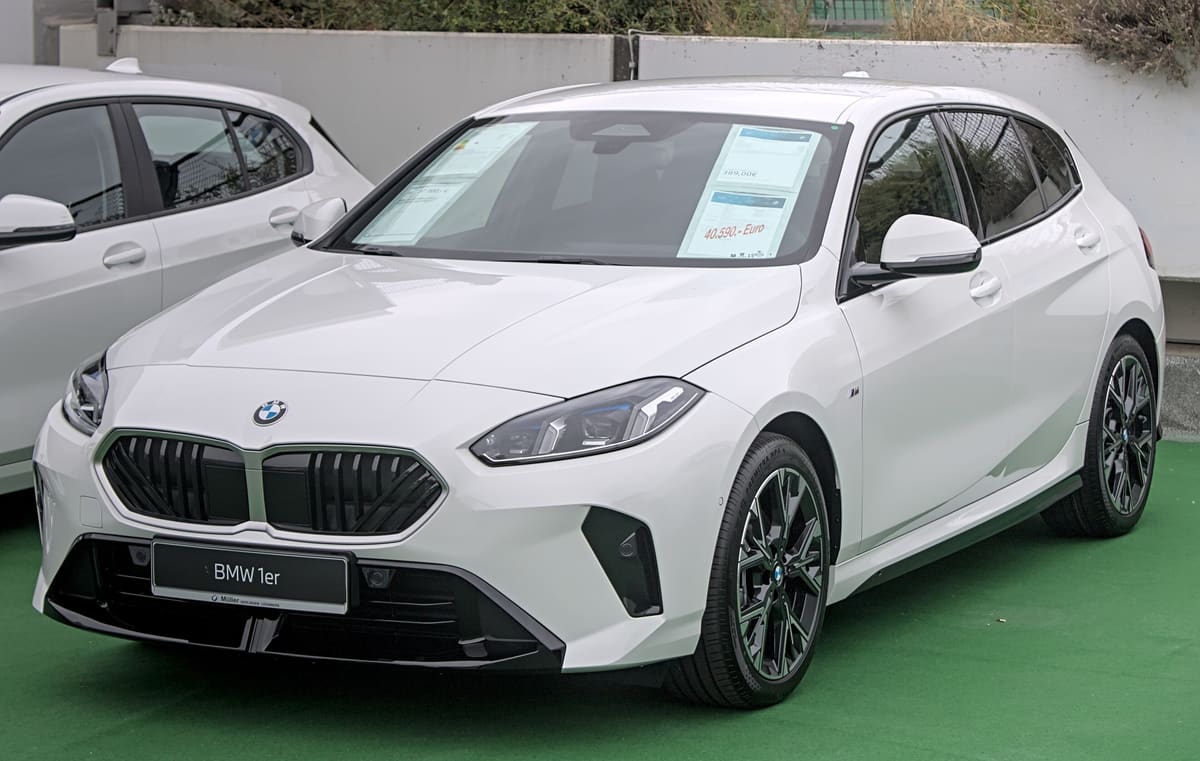
The BMW 1 Series offers a balance of performance and practicality, but potential buyers should consider its running costs. Fuel efficiency varies by model, insurance groups range from 19 to 43, road tax depends on emissions, servicing intervals are generally every 12 months or 18,000 miles, and depreciation can be significant, especially in the first few years.
Fuel and Electric Costs
The fuel costs for the BMW 1 Series depend largely on the engine choice. The plug-in hybrid model provides an electric-only range of around 30 miles, making it an economical choice for short journeys.
Insurance Groups
Insurance for the BMW 1 Series varies significantly based on the model and trim level. The insurance groups range from 19 for the lower-powered models to 43 for high-performance variants like the M135i. This means that premiums can vary widely, with lower group cars being more affordable to insure.
It is advisable for potential buyers to obtain insurance quotes based on their specific circumstances, including driving history and location.
Road Tax Bands
Road tax for the BMW 1 Series is determined by CO2 emissions, which vary by engine type.
The introduction of the new tax system means that electric and hybrid models benefit from lower rates or even exemptions. For instance, the plug-in hybrid variant may incur no road tax for the first year, making it an attractive option for environmentally conscious drivers.
Servicing Intervals
Servicing for the BMW 1 Series is generally recommended every 12 months or every 18,000 miles, whichever comes first. This regular maintenance is crucial for keeping the vehicle in good condition and ensuring optimal performance.
BMW offers a service package that can help reduce costs, covering routine maintenance for a fixed fee. Owners should also be aware that some models may require additional checks or services, such as brake fluid changes or spark plug replacements, which can add to the overall servicing costs.
Typical Depreciation
Depreciation is a significant factor to consider when purchasing a BMW 1 Series. On average, these vehicles can lose around 50% of their value within the first three years. Factors influencing depreciation include mileage, condition, and market demand.
The 1 Series is generally considered a desirable model, which can help mitigate depreciation compared to less popular vehicles. However, buyers should be prepared for a steep drop in value if they opt for a new model, especially if they plan to sell within the first few years.
Conclusion
the BMW 1 Series can be an enjoyable and stylish choice for drivers, but potential owners should carefully consider the running costs. Fuel efficiency, insurance groups, road tax, servicing intervals, and depreciation all play a role in the total cost of ownership. By understanding these factors, buyers can make informed decisions that align with their budgets and needs.
BMW 1 Series recall record
39 recalls have been issued for the BMW 1 Series, between 2004 and 2026.
Replace the Driver’s Airbag – Takata PSDI-5
R/2025/327Issued 12 January 2026
Affected vehicles may be fitted with a drivers airbag which may deploy with too much explosive force causing sharp metal fragments to be released into the cabin. It has the potential to fatally or seriously injure vehicle occupants.
Remedy:Affected vehicles will have the airbag replaced.
Affects cars built Nov 2006 to Dec 2011
Takata Driver and/or Passenger Airbag Recall (Global VINs)
R/2025/349Issued 18 December 2025
Affected vehicles are already included in Safety Recalls within the markets they have previously resided in. The vehicles may be fitted with a driver and/or passenger airbag/s which if deployed may do so with excessive force causing sharp metal fragments to be released this may cause serious injury which could prove fatal to people in the vicinity.
Remedy:Vehicles will have the affected airbags checked and if necessary replaced.
Affects cars built Sept 2007 to Sept 2013
Replace the Engine Starter Motor
R/2025/405Issued 27 October 2025
For affected vehicles there is a concern involving water ingress and corrosion to the starter motor for where a short circuit cannot be ruled out. It is strongly recommended to park the vehicle outdoors and not in the immediate vicinity of buildings until the repair has been carried out.
Remedy:Replacement of the starter motor.
Affects cars built Feb 2017 to May 2019
Seat Belt Rear Outer Seats
R/2025/443Issued 23 October 2025
On affected vehicles either one or both of the outer most rear seats may not have been manufactured correctly and the sensitivity sensor may be deformed. If the sensor is not functioning correctly there is a risk the seat belt may not operate as intended.
Remedy:On affected vehicles the affected seatbelts will be checked and replaced.
Affects cars built Aug 2025 to Sept 2025
35 older recalls not shown.
A recall applies to a build range, not to every car of this model. Check a registration to see whether one specific vehicle has an outstanding recall.
BMW 1 Series MOT record
From 378,686 recorded MOT tests, 19.2% failed.
| Registered | Tests | Failed | Median mileage |
|---|---|---|---|
| 2023 | 866 | 4.3% | 19,026 mi |
| 2022 | 10,526 | 7.8% | 23,841 mi |
| 2021 | 14,185 | 8.3% | 32,444 mi |
| 2020 | 20,439 | 10.8% | 38,846 mi |
| 2019 | 26,994 | 12.2% | 45,979 mi |
| 2018 | 26,797 | 13.1% | 54,770 mi |
| 2017 | 32,728 | 14.2% | 64,617 mi |
| 2016 | 31,677 | 16.2% | 74,397 mi |
Most common reasons for failure
- Tyre tread depth not in accordance with the requirements37.6%
- A tyre seriously damaged19.3%
- a brake lining or pad worn below 1.5mm15.6%
- A suspension pin, bush or joint excessively worn14.0%
- A shock absorber damaged to the extent that it does not function or showing signs of severe leakage13.4%
Figures cover every BMW 1 Series tested in the DVSA dataset, not this specific car. Check a registration for the actual history of one vehicle.
BMW 1 Series official figures
Median across 8 variants on sale, petrol, petrol electric.
- Combined economy
- 50.1 mpg
- WLTP median across variants
- CO2 emissions
- 132.5 g/km
- Sets the first-year tax rate
Official figures for new cars. Real economy varies with driving, load and conditions.
Frequently asked questions
What are the average fuel costs for a BMW 1 Series?
The fuel costs for a BMW 1 Series can vary depending on the engine type and driving habits. Generally, you can expect reasonable fuel efficiency, making it a cost-effective choice for daily commuting.
How much does insurance typically cost for a BMW 1 Series?
Insurance costs for a BMW 1 Series depend on factors like your age, driving history, and location. On average, it falls into the mid-range category, but it's best to get quotes from multiple providers.
What are the maintenance costs for a BMW 1 Series?
Maintenance costs for a BMW 1 Series can be higher than average due to its premium parts and servicing. Regular servicing is essential, and it is advisable to budget for both routine maintenance and unexpected repairs.
Are there any common issues that affect running costs?
Some common issues that may affect running costs include electrical problems and wear on suspension components. Regular checks and servicing can help mitigate these issues and keep costs manageable.
How does road tax work for a BMW 1 Series?
Road tax for a BMW 1 Series is based on its CO2 emissions. The lower the emissions, the lower the tax band, which can help reduce overall running costs.
What is the warranty coverage for a BMW 1 Series?
BMW typically offers a three-year warranty for new vehicles, which can help cover some initial costs. Extended warranties may also be available for added peace of mind.
How do depreciation rates affect the running costs of a BMW 1 Series?
Depreciation can significantly impact the overall running costs of a BMW 1 Series. As a premium brand, it may hold its value better than some competitors, but it is still important to consider when buying.
Sources
- DVSA anonymised MOT tests and results (Open Government Licence v3.0)
- VCA new car fuel consumption and emissions data (Open Government Licence v3.0)
- DVSA vehicle safety recalls (Open Government Licence v3.0)