MOT failure rates
BMW i4 MOT failure rates: what to expect
What fails on a BMW i4 at MOT, how often, and what each fix typically costs.
Updated 4th September 2026 DVSA data: Across 6,750 recorded MOT tests, 14.2% failed.
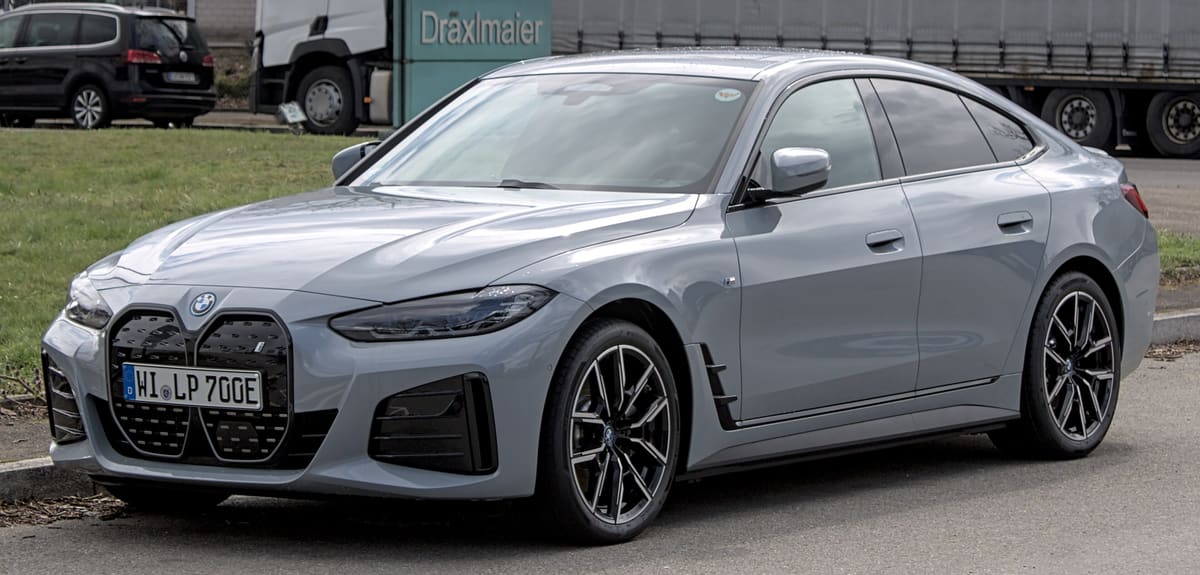
The BMW i4 is generally a reliable electric vehicle, but like any car, it can encounter issues that may lead to MOT failures. Common problems include issues with the brakes, suspension, and lighting systems. Fixing these issues can vary in cost, but being aware of them can help you prepare for your MOT.
Brake System Failures
Brakes are a critical component of vehicle safety and are one of the most common reasons for MOT failures. The BMW i4 may experience issues such as worn brake pads or discs, which can lead to inadequate braking performance.
Regular maintenance and checks can help prevent these issues from arising, ensuring your brakes remain in good condition.
Suspension Problems
The suspension system is vital for vehicle handling and comfort. The BMW i4 can experience suspension-related MOT failures due to worn shock absorbers or damaged springs. These issues can affect ride quality and handling, making them crucial for safety.
Regular inspections can help identify these problems early, potentially saving you money in the long run.
Lighting System Failures
Lighting systems are essential for visibility and safety on the road. Common MOT failures for the BMW i4 include faulty headlights, brake lights, or indicators. These issues can often be caused by blown bulbs or electrical faults.
Regularly checking your lights can help ensure they are functioning correctly before your MOT.
Tyre Condition
Tyres are crucial for grip and safety, making them a common area of concern during an MOT. The BMW i4 may fail if the tyres are worn beyond the legal limit or if there are issues such as sidewall damage or uneven wear.
Regularly checking tyre tread depth and pressure can help you avoid MOT failures related to tyre condition, ensuring your vehicle remains safe and roadworthy.
Emissions and Battery Health
As an electric vehicle, the BMW i4 has lower emissions than traditional petrol or diesel cars. However, issues with the battery or electric systems can still lead to MOT failures. Problems may arise from battery degradation or faults in the electric drive system.
Regular checks on battery health and software updates can help maintain optimal performance and prevent potential MOT issues.
Bodywork and Structural Integrity
While not as common, bodywork issues can also lead to MOT failures. The BMW i4 may experience problems such as corrosion or structural damage, particularly if it has been involved in an accident.
Regular inspections can help catch these issues early, ensuring your vehicle remains in good condition and passes its MOT.
BMW i4 recall record
7 recalls have been issued for the BMW i4, between 2022 and 2025.
Replacing the Cell Module of the High-Voltage Battery
R/2025/274Issued 23 July 2025
On affected vehicles the battery module frame may have been manufactured using too much force. In conjunction with swelling force of the battery this could lead to failure and a possible thermal event within the vehicles life time.
Remedy:On affected vehicles the modules will be replaced.
Affects cars built Jun 2022 to Jun 2023
Longitudinal Chassis Beam
R/2024/258Issued 19 June 2024
On affected vehicles during production excessive force may have been applied to the rear left hand side chassis longitudinal beam which could lead to it cracking and affecting its structural strength.
Remedy:On affected vehicles the rear left hand side chassis longitudinal beam will be checked and if necessary replaced.
Affects cars built Apr 2024 to Apr 2024
Replace cell module in high-voltage battery
R/2024/211Issued 29 February 2024
On affected vehicles if faulty cell modules have been installed then a malfunction may occur in the high voltage battery
Remedy:On the affected vehicles the faulty cell modules in the High Voltage battery will be replaced
Affects cars built Dec 2023 to Dec 2023
On affected vehicles due to a supplier component production process error a damaged Combined Charging Unit may have been installed.
R/2023/235Issued 1 August 2023
On affected vehicles due to a supplier component production process error a damaged Combined Charging Unit may have been installed.
Remedy:Replace the Combined Charging Unit.�
Affects cars built Jun 2022 to Jul 2022
3 older recalls not shown.
A recall applies to a build range, not to every car of this model. Check a registration to see whether one specific vehicle has an outstanding recall.
BMW i4 MOT record
From 6,750 recorded MOT tests, 14.2% failed.
| Registered | Tests | Failed | Median mileage |
|---|---|---|---|
| 2023 | 378 | 9.8% | 26,950 mi |
| 2022 | 6,372 | 14.4% | 31,450 mi |
Most common reasons for failure
- Tyre tread depth not in accordance with the requirements36.0%
- A tyre seriously damaged34.8%
- A tyre cords visible or damaged24.1%
- Wiper blade missing or obviously not clearing the windscreen2.7%
- Number plate does not conform to the specified requirements2.4%
Figures cover every BMW i4 tested in the DVSA dataset, not this specific car. Check a registration for the actual history of one vehicle.
BMW i4 official figures
Median across 11 variants on sale, electricity.
- Electric range
- 339 miles
- Manufacturer WLTP figure
Official figures for new cars. Real economy varies with driving, load and conditions.
Frequently asked questions
What is the BMW i4 mot?
The BMW i4 mot refers to the Ministry of Transport test that checks the safety and emissions of the BMW i4 electric vehicle. It ensures that the car meets UK road safety standards.
How often do I need to get my BMW i4 mot done?
In the UK, your BMW i4 must have an MOT test every year once it is three years old. It's important to keep up with this to ensure your vehicle remains roadworthy.
What happens if my BMW i4 fails the mot?
If your BMW i4 fails the MOT, you will receive a list of issues that need to be addressed. You will need to fix these problems and have the car retested before it can be legally driven.
Can I drive my BMW i4 if the mot has expired?
No, you cannot legally drive your BMW i4 if the MOT has expired unless you are driving it to a pre-booked MOT appointment. Driving without a valid MOT can result in fines and penalties.
Where can I get my BMW i4 mot tested?
You can get your BMW i4 MOT tested at any authorised MOT testing centre in the UK. Many garages and dealerships offer this service, so you should be able to find one nearby.
What documents do I need for the BMW i4 mot?
You will need to bring your vehicle registration document and any previous MOT certificates if available. It's also helpful to have your insurance details on hand.
Is the BMW i4 eligible for any mot exemptions?
As an electric vehicle, the BMW i4 is not exempt from the MOT test. All vehicles over three years old must undergo an MOT regardless of their fuel type.
How can I prepare my BMW i4 for the mot?
To prepare your BMW i4 for the MOT, ensure that all lights are working, tyres are properly inflated, and the windscreen wipers are functional. Regular maintenance can also help prevent issues during the test.
Sources
- DVSA anonymised MOT tests and results (Open Government Licence v3.0)
- VCA new car fuel consumption and emissions data (Open Government Licence v3.0)
- DVSA vehicle safety recalls (Open Government Licence v3.0)