Reliability
BMW i4 reliability: how dependable is it really?
What BMW i4 owners actually report, by year, plus what MOT data tells us about its reliability.
Updated 23rd June 2026 DVSA data: Across 6,750 recorded MOT tests, 14.2% failed.
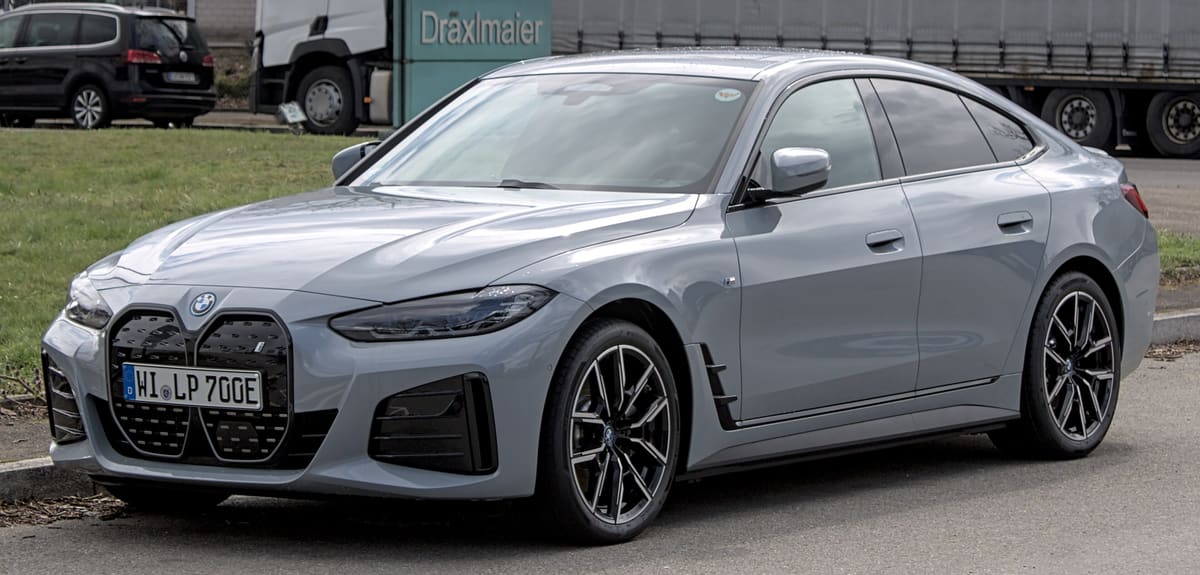
The BMW i4 is generally considered a reliable electric vehicle, with a solid build quality and advanced engineering. While it is still relatively new to the market, early reports suggest that it holds up well in terms of dependability, with few significant issues noted in the first few years of ownership.
Overview of the BMW i4
The BMW i4, launched in 2021, is part of BMW’s growing electric vehicle lineup. It combines the brand’s performance heritage with modern electric technology, offering drivers a compelling alternative to traditional combustion engines. The i4 is designed to deliver an engaging driving experience while maintaining the comfort and luxury associated with BMW.
The i4 is built on a dedicated electric platform, which allows for optimised weight distribution and a low centre of gravity. This design contributes to its performance and handling, making it a favourite among enthusiasts. As an electric vehicle, it also benefits from fewer moving parts compared to traditional cars, which can enhance reliability.
Year-by-Year Reliability Insights
2021: Initial Launch and Early Feedback
The BMW i4 debuted in 2021, and early feedback from owners has been largely positive. Initial reports indicate that the car performs well, with few issues arising during the first year of ownership. The build quality is praised, and the technology features are well-received.
Owners have noted that the electric powertrain operates smoothly, with minimal maintenance required in the early stages.
2022: Growing Popularity and Reliability Checks
In 2022, the BMW i4 gained popularity as more consumers shifted towards electric vehicles. As more vehicles hit the road, reliability assessments became more comprehensive. Owners reported satisfaction with the vehicle’s performance and comfort, and any minor issues were typically resolved quickly under warranty.
DVSA MOT data from this year indicated that the i4 passed its initial tests with few advisories. This trend is encouraging for potential buyers, as it suggests that the vehicle is not only enjoyable to drive but also dependable in everyday use. The electric battery and drivetrain have shown resilience, further enhancing the model’s reputation.
2023: Established Dependability
By 2023, the BMW i4 has established itself as a dependable choice in the electric vehicle market. With a growing number of owners sharing their experiences, the feedback continues to be positive. The vehicle’s performance remains strong, and the technology features are still regarded as user-friendly and reliable.
The absence of significant recalls or widespread issues has bolstered its reputation, making it a sensible choice for those seeking a reliable electric car.
Common Issues and Concerns
Electrical System and Software Glitches
As with many modern vehicles, the BMW i4 has experienced some minor electrical system and software glitches. These issues are often related to the infotainment system or connectivity features. While frustrating, they are typically resolved through software updates or dealer interventions.
Owners have reported that these glitches do not significantly affect the overall driving experience. BMW’s commitment to regular software updates helps mitigate these concerns, ensuring that the vehicle remains up to date with the latest features and improvements.
Battery Performance and Longevity
Battery performance is a critical aspect of any electric vehicle’s reliability. The BMW i4 is equipped with a high-capacity battery designed to provide a good range and performance. Early indications suggest that the battery holds up well over time, with minimal degradation reported by owners.
Regular maintenance and proper charging practices can further enhance battery longevity. BMW provides guidelines for owners to follow, ensuring that the battery remains in optimal condition throughout its lifespan.
Maintenance and Ownership Costs
Routine Maintenance Requirements
The BMW i4 requires less routine maintenance compared to traditional petrol or diesel vehicles. With fewer moving parts, the likelihood of mechanical failures is reduced. Key maintenance tasks include checking tyre pressure, brake fluid levels, and regular software updates.
While electric vehicles generally have lower maintenance costs, it is essential for owners to follow the manufacturer’s recommendations to ensure long-term reliability. Scheduled servicing at authorised BMW centres can help identify potential issues before they become significant problems.
Ownership Costs and Depreciation
Ownership costs for the BMW i4 are competitive within the electric vehicle segment. Insurance rates are generally reasonable, and the car benefits from lower running costs compared to traditional vehicles. Additionally, electric vehicles often have lower road tax and may qualify for government incentives.
Depreciation is a consideration for any vehicle, and while electric vehicles can experience rapid depreciation, the i4’s strong performance and brand reputation may help it retain value better than some competitors. As the market for electric vehicles matures, the i4 is likely to hold its value well.
Owner Satisfaction and Reviews
Positive Owner Experiences
Owner satisfaction with the BMW i4 has been notably high. Many drivers appreciate the vehicle’s performance, comfort, and advanced technology. The driving experience is often described as engaging, with responsive handling and a smooth ride.
Reviewers have highlighted the spacious interior and high-quality materials, which contribute to an overall sense of luxury. The i4’s electric powertrain is praised for its instant torque and quiet operation, making it a pleasure to drive in various conditions.
Areas for Improvement
While the BMW i4 has received largely positive reviews, some owners have pointed out areas for improvement. The infotainment system, while advanced, can be complex to navigate for some users. Additionally, the availability of charging infrastructure remains a concern for electric vehicle owners in certain areas.
BMW is actively working to improve the user experience through software updates and enhancements. As the charging network continues to expand, many of these concerns may diminish over time, further solidifying the i4’s position as a reliable electric vehicle option.
Conclusion
The BMW i4 has quickly established itself as a reliable electric vehicle since its launch in 2021. With positive feedback from owners and a solid performance record, it stands out in the competitive electric vehicle market. As it continues to gain traction, the i4 is likely to remain a dependable choice for those seeking an engaging and luxurious driving experience.
BMW i4 recall record
7 recalls have been issued for the BMW i4, between 2022 and 2025.
Replacing the Cell Module of the High-Voltage Battery
R/2025/274Issued 23 July 2025
On affected vehicles the battery module frame may have been manufactured using too much force. In conjunction with swelling force of the battery this could lead to failure and a possible thermal event within the vehicles life time.
Remedy:On affected vehicles the modules will be replaced.
Affects cars built Jun 2022 to Jun 2023
Longitudinal Chassis Beam
R/2024/258Issued 19 June 2024
On affected vehicles during production excessive force may have been applied to the rear left hand side chassis longitudinal beam which could lead to it cracking and affecting its structural strength.
Remedy:On affected vehicles the rear left hand side chassis longitudinal beam will be checked and if necessary replaced.
Affects cars built Apr 2024 to Apr 2024
Replace cell module in high-voltage battery
R/2024/211Issued 29 February 2024
On affected vehicles if faulty cell modules have been installed then a malfunction may occur in the high voltage battery
Remedy:On the affected vehicles the faulty cell modules in the High Voltage battery will be replaced
Affects cars built Dec 2023 to Dec 2023
On affected vehicles due to a supplier component production process error a damaged Combined Charging Unit may have been installed.
R/2023/235Issued 1 August 2023
On affected vehicles due to a supplier component production process error a damaged Combined Charging Unit may have been installed.
Remedy:Replace the Combined Charging Unit.�
Affects cars built Jun 2022 to Jul 2022
3 older recalls not shown.
A recall applies to a build range, not to every car of this model. Check a registration to see whether one specific vehicle has an outstanding recall.
BMW i4 MOT record
From 6,750 recorded MOT tests, 14.2% failed.
| Registered | Tests | Failed | Median mileage |
|---|---|---|---|
| 2023 | 378 | 9.8% | 26,950 mi |
| 2022 | 6,372 | 14.4% | 31,450 mi |
Most common reasons for failure
- Tyre tread depth not in accordance with the requirements36.0%
- A tyre seriously damaged34.8%
- A tyre cords visible or damaged24.1%
- Wiper blade missing or obviously not clearing the windscreen2.7%
- Number plate does not conform to the specified requirements2.4%
Figures cover every BMW i4 tested in the DVSA dataset, not this specific car. Check a registration for the actual history of one vehicle.
BMW i4 official figures
Median across 11 variants on sale, electricity.
- Electric range
- 339 miles
- Manufacturer WLTP figure
Official figures for new cars. Real economy varies with driving, load and conditions.
Frequently asked questions
How reliable is the BMW i4 compared to other electric vehicles?
The BMW i4 is generally considered reliable, with many owners reporting positive experiences. It competes well with other electric vehicles in its class, offering a solid build quality and dependable performance.
What warranty does the BMW i4 come with?
The BMW i4 typically comes with a three-year unlimited mileage warranty, along with an eight-year or 100,000-mile warranty for the battery. This provides peace of mind for buyers regarding potential issues.
Are there common issues reported with the BMW i4?
While the BMW i4 has received favourable reviews, some owners have noted minor software glitches and infotainment system issues. Regular software updates from BMW help to address these concerns.
How does the BMW i4 perform in terms of maintenance costs?
Maintenance costs for the BMW i4 are generally lower than those for traditional petrol or diesel vehicles, as electric cars have fewer moving parts. However, it is advisable to budget for occasional servicing and battery checks.
Is the BMW i4 suitable for long-distance driving?
Yes, the BMW i4 is designed for long-distance driving, with a competitive range that can accommodate most journeys. Charging infrastructure in the UK is improving, making it easier to plan longer trips.
How does the BMW i4's battery life hold up over time?
The BMW i4's battery is built to last, with many owners reporting minimal degradation after several years of use. Regular charging habits and proper maintenance can help maximise battery longevity.
What do owners say about the BMW i4's driving experience?
Owners often praise the BMW i4 for its smooth and responsive driving experience, highlighting its performance and handling. The electric powertrain provides instant torque, making it enjoyable to drive.
Sources
- DVSA anonymised MOT tests and results (Open Government Licence v3.0)
- VCA new car fuel consumption and emissions data (Open Government Licence v3.0)
- DVSA vehicle safety recalls (Open Government Licence v3.0)