Recall history
BMW i4 recall history: what has been recalled and why
BMW i4 recall history: which model years were affected, what was fixed, and how to check your own car.
Updated 4th September 2026 DVSA data: Across 6,750 recorded MOT tests, 14.2% failed.
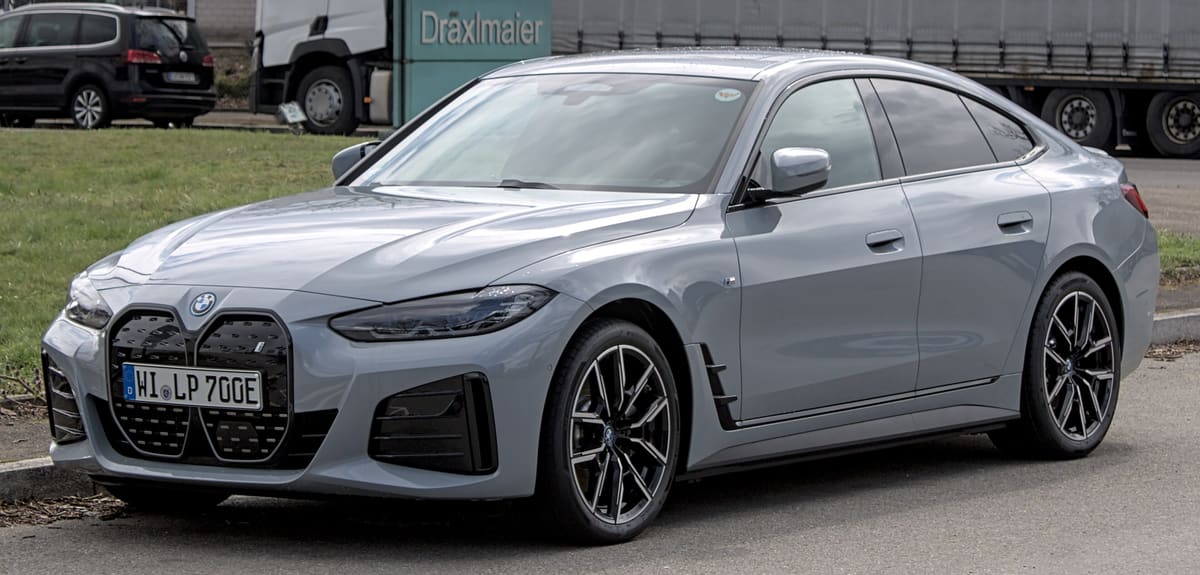
The BMW i4 has experienced several recalls since its introduction, primarily addressing issues related to software malfunctions and safety features. Affected build years include 2021 and 2022 models. Most recalls have been resolved, with BMW actively notifying owners and providing necessary updates.
Overview of BMW i4 Recalls
The BMW i4, an all-electric vehicle launched in 2021, has been subject to a few recalls that focus on enhancing safety and performance. These recalls primarily involve software updates and adjustments to safety systems. The recalls are part of BMW’s commitment to maintaining high standards of vehicle reliability and customer satisfaction.
BMW has been proactive in addressing these issues, ensuring that affected vehicles are repaired or updated promptly. Owners are encouraged to check their vehicle status and ensure any necessary updates are completed.
Specific Recalls and Issues
One notable recall involved a software glitch that affected the vehicle’s braking system. This issue could potentially lead to reduced braking performance under certain conditions.
In addition to braking system concerns, another recall addressed issues with the vehicle’s infotainment system. Some users reported that the system could freeze or become unresponsive, impacting the driver’s ability to access navigation and other essential functions. BMW provided a software update to rectify this issue, ensuring a smoother user experience.
Affected Build Years
The recalls primarily affect the 2021 and 2022 model years of the BMW i4. Vehicles produced during this period were subject to the identified software issues. Owners of these models should verify whether their vehicle is included in the recall list, as BMW has been diligent in notifying affected customers.
The build years in question are crucial for potential buyers or current owners to consider. Understanding the recall history can provide insights into the vehicle’s reliability and any necessary maintenance that may be required. Checking the DVSA MOT data can offer additional clarity on the vehicle’s history and any outstanding recalls.
Current Status of Recalls
As of now, most recalls related to the BMW i4 have been resolved. BMW has implemented the necessary software updates and repairs to ensure that affected vehicles are safe and functional. Owners should have received notifications from BMW regarding the status of their vehicle and any required actions.
It is advisable for owners to stay informed about their vehicle’s recall status. Regularly checking with BMW or the DVSA can help ensure that any outstanding issues are addressed promptly. Keeping the vehicle updated not only enhances safety but also maintains its resale value.
Owner Responsibilities
Owners of the BMW i4 should take an active role in monitoring their vehicle’s recall status. This includes checking for any notifications from BMW and ensuring that all recommended updates are completed. Regular maintenance and software updates are essential for optimal vehicle performance.
Additionally, owners should keep records of any repairs or updates performed on their vehicle. This documentation can be beneficial for future reference, especially if the vehicle is sold or traded in. Maintaining an up-to-date vehicle can also contribute to a better driving experience and enhanced safety.
Conclusion
The BMW i4 has had a few recalls since its launch, primarily addressing software-related issues that affect safety and functionality. Affected build years include 2021 and 2022, with most recalls now resolved. Owners should remain vigilant about their vehicle’s status and ensure that all necessary updates are completed to maintain safety and performance.
BMW i4 recall record
7 recalls have been issued for the BMW i4, between 2022 and 2025.
Replacing the Cell Module of the High-Voltage Battery
R/2025/274Issued 23 July 2025
On affected vehicles the battery module frame may have been manufactured using too much force. In conjunction with swelling force of the battery this could lead to failure and a possible thermal event within the vehicles life time.
Remedy:On affected vehicles the modules will be replaced.
Affects cars built Jun 2022 to Jun 2023
Longitudinal Chassis Beam
R/2024/258Issued 19 June 2024
On affected vehicles during production excessive force may have been applied to the rear left hand side chassis longitudinal beam which could lead to it cracking and affecting its structural strength.
Remedy:On affected vehicles the rear left hand side chassis longitudinal beam will be checked and if necessary replaced.
Affects cars built Apr 2024 to Apr 2024
Replace cell module in high-voltage battery
R/2024/211Issued 29 February 2024
On affected vehicles if faulty cell modules have been installed then a malfunction may occur in the high voltage battery
Remedy:On the affected vehicles the faulty cell modules in the High Voltage battery will be replaced
Affects cars built Dec 2023 to Dec 2023
On affected vehicles due to a supplier component production process error a damaged Combined Charging Unit may have been installed.
R/2023/235Issued 1 August 2023
On affected vehicles due to a supplier component production process error a damaged Combined Charging Unit may have been installed.
Remedy:Replace the Combined Charging Unit.�
Affects cars built Jun 2022 to Jul 2022
A cable bridge connection connecting two circuit boards within the cell supervision circuit (CSC) might not have been installed properly.
R/2023/133Issued 8 May 2023
A cable bridge connection connecting two circuit boards within the cell supervision circuit (CSC) might not have been installed properly.
Remedy:On the affected vehicles the cell supervision circuit (CSC) inside the high-voltage battery will be replaced.
Affects cars built Apr 2022 to Nov 2022
During the supplier s production process of the battery cells a manufacturing defect occurred. During assembly of the cell the cathode plate may have been damaged and a broken piece may have entered the interior of the cell.
R/2022/330Issued 21 October 2022
During assembly of the HV Battery cell the cathode plate may have been damaged and a broken piece may have entered the interior of the cell. BMW strongly recommends refraining from charging the high-voltage battery and to not use the vehicles until the repair is performed. BMW also recommends parking the vehicle outdoors and not in the immediate vicinity of buildings.
Remedy:On the affected vehicles the defective cell modules of the high-voltage battery will be replaced.
Affects cars built Jul 2021 to Oct 2022
CRASH PADS MAY NOT HAVE BEEN INSTALLED ON THE HIGH VOLTAGE BATTERY DURING VEHICLE ASSEMBLY
R/2022/020Issued 26 January 2022
Crash pads may not have been installed on the high-voltage battery during vehicle assembly.
Remedy:Vehicles will be inspected and if necessary the crash pads will be retrofitted.
Affects cars built Sept 2021 to Nov 2021
A recall applies to a build range, not to every car of this model. Check a registration to see whether one specific vehicle has an outstanding recall.
BMW i4 MOT record
From 6,750 recorded MOT tests, 14.2% failed.
| Registered | Tests | Failed | Median mileage |
|---|---|---|---|
| 2023 | 378 | 9.8% | 26,950 mi |
| 2022 | 6,372 | 14.4% | 31,450 mi |
Most common reasons for failure
- Tyre tread depth not in accordance with the requirements36.0%
- A tyre seriously damaged34.8%
- A tyre cords visible or damaged24.1%
- Wiper blade missing or obviously not clearing the windscreen2.7%
- Number plate does not conform to the specified requirements2.4%
Figures cover every BMW i4 tested in the DVSA dataset, not this specific car. Check a registration for the actual history of one vehicle.
BMW i4 official figures
Median across 11 variants on sale, electricity.
- Electric range
- 339 miles
- Manufacturer WLTP figure
Official figures for new cars. Real economy varies with driving, load and conditions.
Frequently asked questions
What is the recall history of the BMW i4?
Recalls are issued against individual vehicles rather than a model as a whole, so a model-level yes or no would be guesswork. Enter the registration on Honest Car Check and we check the DVSA record for that specific car. Where DVSA holds no status, confirm it with a franchised dealer using the VIN.
How can I find out if my BMW i4 has been recalled?
Recalls are issued against individual vehicles rather than a model as a whole, so a model-level yes or no would be guesswork. Enter the registration on Honest Car Check and we check the DVSA record for that specific car. Where DVSA holds no status, confirm it with a franchised dealer using the VIN.
What should I do if my BMW i4 is recalled?
Recalls are issued against individual vehicles rather than a model as a whole, so a model-level yes or no would be guesswork. Enter the registration on Honest Car Check and we check the DVSA record for that specific car. Where DVSA holds no status, confirm it with a franchised dealer using the VIN.
Are recalls common for electric vehicles like the BMW i4?
Recalls are issued against individual vehicles rather than a model as a whole, so a model-level yes or no would be guesswork. Enter the registration on Honest Car Check and we check the DVSA record for that specific car. Where DVSA holds no status, confirm it with a franchised dealer using the VIN.
Will a recall affect the resale value of my BMW i4?
Recalls are issued against individual vehicles rather than a model as a whole, so a model-level yes or no would be guesswork. Enter the registration on Honest Car Check and we check the DVSA record for that specific car. Where DVSA holds no status, confirm it with a franchised dealer using the VIN.
How do I know if a recall has been resolved?
Recalls are issued against individual vehicles rather than a model as a whole, so a model-level yes or no would be guesswork. Enter the registration on Honest Car Check and we check the DVSA record for that specific car. Where DVSA holds no status, confirm it with a franchised dealer using the VIN.
Is there a cost associated with fixing a recalled issue on my BMW i4?
Recalls are issued against individual vehicles rather than a model as a whole, so a model-level yes or no would be guesswork. Enter the registration on Honest Car Check and we check the DVSA record for that specific car. Where DVSA holds no status, confirm it with a franchised dealer using the VIN.
Sources
- DVSA anonymised MOT tests and results (Open Government Licence v3.0)
- VCA new car fuel consumption and emissions data (Open Government Licence v3.0)
- DVSA vehicle safety recalls (Open Government Licence v3.0)