Buying guide
Buying a used Ford Galaxy: what to check before you pay
A complete used-buyer checklist for the Ford Galaxy. Engine, gearbox, electrics, paperwork.
Updated 23rd June 2026 DVSA data: Across 54,367 recorded MOT tests, 28.5% failed.
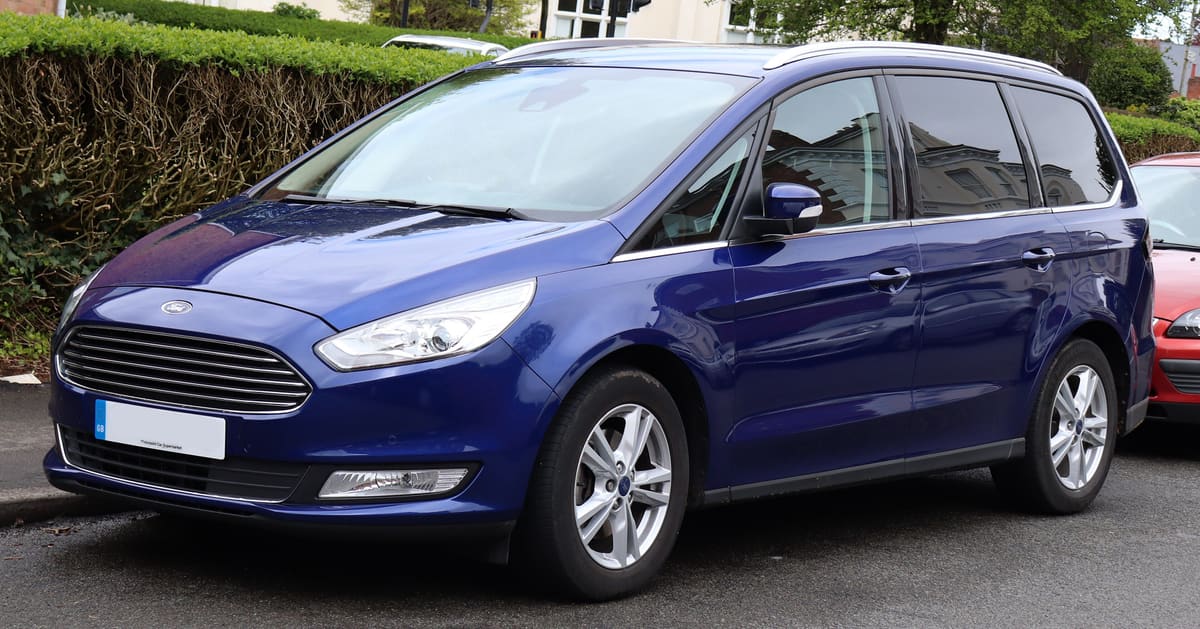
The Ford Galaxy is a versatile MPV that offers ample space and practicality for families. Before purchasing a used Galaxy, it is essential to consider factors such as reliability, maintenance history, and common issues.
Understanding the Ford Galaxy’s Variants
The Ford Galaxy has undergone several generations since its launch in 1995, with each iteration offering different features and specifications. The most recent models are known for their advanced technology and improved fuel efficiency. Familiarise yourself with the various trims available, such as the Zetec, Titanium, and Vignale, to determine which best suits your needs.
Each variant comes with different engine options, including petrol and diesel, and varying levels of equipment. Researching these differences can help you identify the right model that fits your budget and lifestyle. Additionally, consider the age and mileage of the vehicle, as these factors can significantly affect its value and reliability.
Checking the Vehicle History
Before committing to a purchase, it is crucial to check the vehicle’s history. Obtain the registration number and use it to request a history check from a reputable service. This check should reveal any outstanding finance, previous accidents, or insurance write-offs.
A thorough history check can also provide insights into the vehicle’s service history. Regular servicing is a good indicator of a well-maintained car. Look for records that show consistent maintenance, including timing belt changes, which are critical for the longevity of the engine.
Inspecting for Common Issues
The Ford Galaxy is generally regarded as a reliable vehicle, but like any used car, it may have common issues. Pay particular attention to the electrical systems, as these can sometimes be problematic. Check that all lights, windows, and electronic features operate correctly.
Another common issue is wear and tear on the suspension components. A test drive can help identify any unusual noises or handling problems. Listen for clunks or rattles when driving over bumps, as these may indicate worn shock absorbers or bushings. Additionally, inspect the tyres for uneven wear, which can signal alignment issues or suspension problems.
Evaluating the Interior and Comfort
The Ford Galaxy is known for its spacious and comfortable interior, making it an ideal choice for families. When inspecting a used model, check the condition of the seats, dashboard, and other interior elements. Look for signs of excessive wear, such as torn upholstery or faded plastics.
Consider the seating configuration as well; the Galaxy typically offers flexible seating arrangements, allowing you to fold down seats for additional cargo space. Ensure that the mechanism for folding seats operates smoothly. Test the infotainment system and other features, such as air conditioning and navigation, to ensure they function correctly.
Assessing Fuel Economy and Emissions
Fuel economy is an important consideration when purchasing a used Ford Galaxy. Different engine options offer varying levels of efficiency, so it is worth comparing the official figures with real-world performance. Generally, diesel engines provide better fuel economy, making them a popular choice for long-distance driving.
Be aware of the emissions rating, as this can affect road tax costs. Models registered after April 2017 may fall under stricter emissions regulations, which could lead to higher charges. Check the DVSA MOT data for any emissions-related advisories on the specific model you are considering.
Understanding Maintenance and Running Costs
Owning a Ford Galaxy involves understanding the maintenance and running costs associated with the vehicle. Regular servicing is essential to keep the car in good condition, and it is advisable to follow the manufacturer’s service schedule.
Parts for the Galaxy are generally affordable and widely available, making repairs manageable. However, some components, such as the dual-mass flywheel in diesel models, can be costly to replace if they fail. Research common repair costs to budget appropriately and consider purchasing a warranty for added peace of mind.
Final Thoughts on the Purchase Process
When you have completed your checklist and are ready to make a purchase, ensure that you negotiate the price based on your findings. If you have identified any issues during your inspection, use these as leverage to secure a better deal.
Always take a test drive before finalising your purchase. This will give you a feel for the car’s performance and help you identify any potential problems. Finally, ensure that all paperwork is in order, including the V5C registration document and service history, before completing the transaction.
This checklist helps you buy with confidence.
Ford Galaxy recall record
29 recalls have been issued for the Ford Galaxy, between 1996 and 2026.
Multi Vehicle Line (MVL): Telecommunications Control Module (TCU) loss of Function Software Update
R/2026/181Issued 5 May 2026
Affected vehicles may experience a loss of emergency call system (eCall) functionality which impacts both automatic and manual eCall events.
Remedy:Update the Telematics Control Unit software to the latest level.
Affects cars built Jan 2021 to Mar 2023
CrossCar: Sync3 Rear-View Camera Software Update
R/2025/359Issued 8 September 2025
On affected vehicles a software problem may result in issues with the rear-view camera that reduce the driver’s view or with it remaining on after a reversing event.
Remedy:Update the vehicle software to the latest level.
Affects cars built May 2019 to May 2019
25S54 Kuga S-Max and Galaxy - Powertrain Control Module (PCM) Software Update
R/2025/243Issued 7 July 2025
Certain Kuga S-Max and Galaxy vehicles equipped with a 2.5L HEV/PHEV Engine may not have the remedy for Safety Recall 23S27 installed correctly but were recorded as having received the repair successfully. Because the correct software update may not have been installed on these vehicles the underlying condition specified in Safety Recall 23S27 potential under hood fire may still exist.
Remedy:Dealers are to update the Powertrain Control Module (PCM) software.
Affects cars built Jul 2021 to Jul 2022
X-Car Powertain Control Module (PCM) Software Update
R/2025/094Issued 19 December 2024
Affected vehicles may develop a crack in the Diesel Particulate Filter (DPF).
Remedy:Update software to prevent a cracked DPF. Test and replace DPFs that are already cracked.
Affects cars built Feb 2018 to Jan 2019
25 older recalls not shown.
A recall applies to a build range, not to every car of this model. Check a registration to see whether one specific vehicle has an outstanding recall.
Ford Galaxy MOT record
From 54,367 recorded MOT tests, 28.5% failed.
| Registered | Tests | Failed | Median mileage |
|---|---|---|---|
| 2022 | 1,192 | 13.7% | 22,536 mi |
| 2021 | 1,406 | 17.3% | 48,764 mi |
| 2020 | 1,647 | 14.2% | 43,458 mi |
| 2019 | 2,554 | 16.1% | 63,045 mi |
| 2018 | 3,468 | 14.6% | 83,067 mi |
| 2017 | 5,150 | 16.8% | 82,952 mi |
| 2016 | 4,651 | 17.3% | 92,551 mi |
| 2015 | 2,396 | 28.8% | 108,040 mi |
Most common reasons for failure
- Tyre tread depth not in accordance with the requirements33.3%
- A suspension pin, bush or joint excessively worn24.3%
- A suspension component excessively damaged or corroded15.9%
- a brake lining or pad worn below 1.5mm14.6%
- A lamp missing, inoperative or in the case of a multiple light source more than 1/2 not functioning12.0%
Figures cover every Ford Galaxy tested in the DVSA dataset, not this specific car. Check a registration for the actual history of one vehicle.
Frequently asked questions
What should I look for when buying a used Ford Galaxy?
Check the service history to ensure regular maintenance. Inspect for any signs of wear and tear, especially in the interior and bodywork. It's also wise to take a test drive to assess performance.
How reliable is the Ford Galaxy?
The Ford Galaxy is generally considered reliable, with many owners reporting few issues. However, like any vehicle, regular maintenance is key to keeping it in good condition.
What is the fuel economy of the Ford Galaxy?
Fuel economy can vary depending on the engine and model year. Generally, you can expect reasonable fuel efficiency for a large MPV, but it's best to check specific figures for the model you are considering.
Are there any common problems with the Ford Galaxy?
Some owners have reported issues with the electrical system and the dual-clutch transmission. It's important to research specific model years for any known problems.
How many seats does the Ford Galaxy have?
The Ford Galaxy typically seats seven people, making it a great choice for families. The flexible seating arrangement allows for various configurations to maximise space.
Is the Ford Galaxy good for families?
Yes, the Ford Galaxy is well-suited for families due to its spacious interior and safety features. It also offers plenty of storage space for luggage and equipment.
What are the insurance costs for a Ford Galaxy?
Insurance costs can vary based on the model, age, and your driving history. It's advisable to get quotes from multiple insurers to find the best deal.
What should I know about the Ford Galaxy's warranty?
New Ford Galaxy models typically come with a manufacturer's warranty, but used models may not. Always check the warranty status and consider purchasing an extended warranty for added peace of mind.
Sources
- DVSA anonymised MOT tests and results (Open Government Licence v3.0)
- DVSA vehicle safety recalls (Open Government Licence v3.0)