Common problems
Ford Galaxy common problems and reliability issues
Honest rundown of the most common Ford Galaxy faults, what to watch for, and how to keep one running well.
Updated 23rd June 2026 DVSA data: Across 54,367 recorded MOT tests, 28.5% failed.
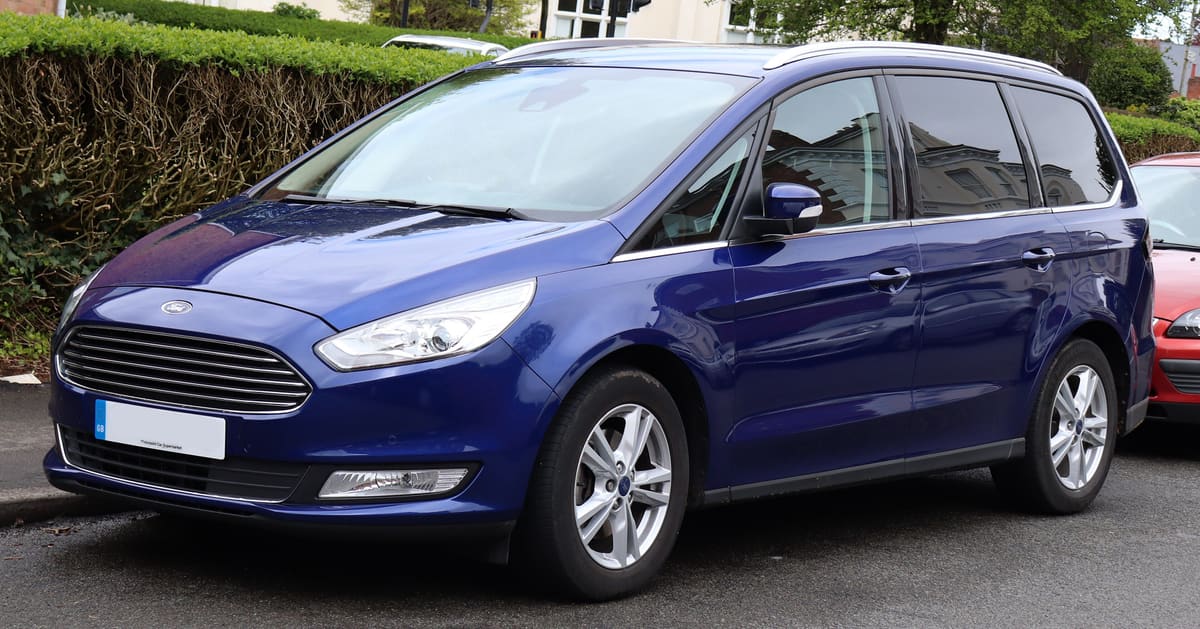
The Ford Galaxy is a popular family MPV known for its spaciousness and practicality. Issues can arise across various systems, including the engine, transmission, electrical components, and suspension.
Engine Issues
The Ford Galaxy’s engine is generally reliable, but some owners report problems, particularly with the diesel variants. Common complaints include excessive oil consumption and turbocharger failures. These issues can lead to poor performance and increased running costs.
Oil consumption can be attributed to worn piston rings or valve seals, which may require significant engine work to rectify. Turbocharger failures often manifest as a loss of power or unusual noises. Regular servicing and monitoring oil levels can mitigate some of these issues, as highlighted by DVSA MOT data.
Transmission Problems
Transmission issues can be a concern, especially in automatic models. Owners have reported problems with the dual-clutch automatic transmission, including rough shifting and unexpected gear changes. These issues can affect the driving experience and may lead to costly repairs.
The dual-clutch system relies on complex electronics and hydraulics, making it sensitive to software glitches and fluid quality. Regular transmission fluid changes and software updates can help maintain the system’s health.
Electrical System Faults
The electrical system in the Ford Galaxy can be prone to faults, particularly with the central locking and infotainment systems. Owners have noted issues such as malfunctioning door locks and problems with the touchscreen interface. These faults can be frustrating and may require professional diagnosis.
Malfunctions in the central locking system can often be traced back to faulty wiring or issues with the key fob. Infotainment problems may arise from software bugs or hardware failures. Keeping the vehicle’s software updated and ensuring connections are secure can help alleviate some of these electrical issues.
Suspension and Steering Concerns
Suspension and steering problems are not uncommon in the Ford Galaxy, especially in older models. Owners have reported issues with worn suspension components, leading to a bumpy ride and poor handling. Additionally, steering rack failures can result in a loss of steering response.
Worn shock absorbers and bushings can contribute to a harsh driving experience, while a failing steering rack may cause unusual noises or difficulty steering. Regular inspections of the suspension system and timely replacement of worn parts can enhance ride quality and safety.
Brake System Problems
The brake system in the Ford Galaxy is generally reliable, but some owners have experienced issues with brake pads and discs wearing prematurely. Additionally, problems with the anti-lock braking system (ABS) can lead to warning lights illuminating on the dashboard.
Premature wear can often be attributed to driving habits or the quality of brake components used during replacements. ABS issues may stem from sensor failures or wiring problems. Regular brake inspections and using quality replacement parts can help maintain optimal braking performance.
Air Conditioning and Heating Failures
Air conditioning and heating systems in the Ford Galaxy can also present problems, particularly in older models. Common complaints include weak airflow and failure to cool or heat the cabin effectively. These issues can impact passenger comfort, especially during extreme weather conditions.
Weak airflow may be caused by blocked filters or failing blower motors, while cooling or heating failures can stem from refrigerant leaks or faulty thermostats. Regular maintenance, including filter changes and system checks, can help ensure the climate control system operates efficiently.
Ford Galaxy recall record
29 recalls have been issued for the Ford Galaxy, between 1996 and 2026.
Multi Vehicle Line (MVL): Telecommunications Control Module (TCU) loss of Function Software Update
R/2026/181Issued 5 May 2026
Affected vehicles may experience a loss of emergency call system (eCall) functionality which impacts both automatic and manual eCall events.
Remedy:Update the Telematics Control Unit software to the latest level.
Affects cars built Jan 2021 to Mar 2023
CrossCar: Sync3 Rear-View Camera Software Update
R/2025/359Issued 8 September 2025
On affected vehicles a software problem may result in issues with the rear-view camera that reduce the driver’s view or with it remaining on after a reversing event.
Remedy:Update the vehicle software to the latest level.
Affects cars built May 2019 to May 2019
25S54 Kuga S-Max and Galaxy - Powertrain Control Module (PCM) Software Update
R/2025/243Issued 7 July 2025
Certain Kuga S-Max and Galaxy vehicles equipped with a 2.5L HEV/PHEV Engine may not have the remedy for Safety Recall 23S27 installed correctly but were recorded as having received the repair successfully. Because the correct software update may not have been installed on these vehicles the underlying condition specified in Safety Recall 23S27 potential under hood fire may still exist.
Remedy:Dealers are to update the Powertrain Control Module (PCM) software.
Affects cars built Jul 2021 to Jul 2022
X-Car Powertain Control Module (PCM) Software Update
R/2025/094Issued 19 December 2024
Affected vehicles may develop a crack in the Diesel Particulate Filter (DPF).
Remedy:Update software to prevent a cracked DPF. Test and replace DPFs that are already cracked.
Affects cars built Feb 2018 to Jan 2019
25 older recalls not shown.
A recall applies to a build range, not to every car of this model. Check a registration to see whether one specific vehicle has an outstanding recall.
Ford Galaxy MOT record
From 54,367 recorded MOT tests, 28.5% failed.
| Registered | Tests | Failed | Median mileage |
|---|---|---|---|
| 2022 | 1,192 | 13.7% | 22,536 mi |
| 2021 | 1,406 | 17.3% | 48,764 mi |
| 2020 | 1,647 | 14.2% | 43,458 mi |
| 2019 | 2,554 | 16.1% | 63,045 mi |
| 2018 | 3,468 | 14.6% | 83,067 mi |
| 2017 | 5,150 | 16.8% | 82,952 mi |
| 2016 | 4,651 | 17.3% | 92,551 mi |
| 2015 | 2,396 | 28.8% | 108,040 mi |
Most common reasons for failure
- Tyre tread depth not in accordance with the requirements33.3%
- A suspension pin, bush or joint excessively worn24.3%
- A suspension component excessively damaged or corroded15.9%
- a brake lining or pad worn below 1.5mm14.6%
- A lamp missing, inoperative or in the case of a multiple light source more than 1/2 not functioning12.0%
Figures cover every Ford Galaxy tested in the DVSA dataset, not this specific car. Check a registration for the actual history of one vehicle.
Frequently asked questions
What are the most common issues with the Ford Galaxy?
Common issues with the Ford Galaxy include electrical faults, problems with the diesel particulate filter, and issues with the automatic gearbox. Regular maintenance can help mitigate some of these problems.
How reliable is the Ford Galaxy?
The Ford Galaxy generally has a good reputation for reliability, but like any vehicle, it can experience issues over time. It's important to check the service history and have a thorough inspection before purchasing.
Are there any known problems with the Ford Galaxy's suspension?
Yes, some Ford Galaxy models may experience wear on suspension components, leading to a bumpy ride or handling issues. Regular checks can help identify any problems early.
What should I look for when buying a used Ford Galaxy?
When buying a used Ford Galaxy, check for service history, signs of wear and tear, and any warning lights on the dashboard. It's also wise to have a vehicle history check done.
Do Ford Galaxy models have issues with the air conditioning?
Some Ford Galaxy owners report problems with the air conditioning system, such as it not cooling effectively. Regular servicing can help maintain the system's performance.
Is the Ford Galaxy prone to rust?
While the Ford Galaxy is generally well-built, some older models may be prone to rust, particularly in areas where paint may have chipped. Regular inspections can help catch any rust early.
What are the signs of a failing turbocharger in a Ford Galaxy?
Signs of a failing turbocharger include a loss of power, unusual noises from the engine, and increased exhaust smoke. If you notice these symptoms, it's best to have the vehicle checked by a professional.
How can I prevent common problems with my Ford Galaxy?
To prevent common problems, ensure regular servicing, keep an eye on fluid levels, and address any warning lights promptly. Staying on top of maintenance can help extend the life of your vehicle.
Sources
- DVSA anonymised MOT tests and results (Open Government Licence v3.0)
- DVSA vehicle safety recalls (Open Government Licence v3.0)