Top fixes
Ford Galaxy top fixes: how owners handle the common issues
Practical fixes for the common Ford Galaxy faults owners run into.
Updated 23rd June 2026 DVSA data: Across 54,367 recorded MOT tests, 28.5% failed.
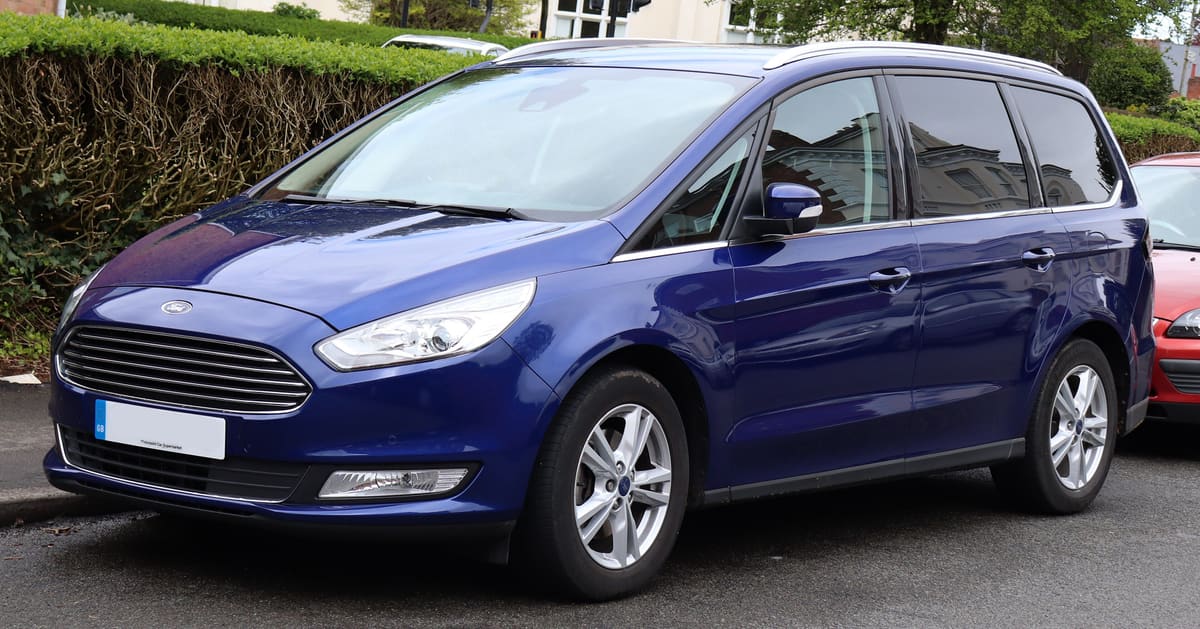
The Ford Galaxy is a versatile family MPV, but like any vehicle, it can develop issues over time. Common problems include electrical faults, suspension wear, and engine performance issues. Fortunately, many of these can be addressed with practical fixes that enhance reliability and performance.
Electrical Faults
Electrical issues are among the most frequently reported problems by Ford Galaxy owners. Common symptoms include dashboard warning lights, malfunctioning windows, and issues with the central locking system.
To fix these problems, start by checking the battery connections for corrosion or looseness. If the battery is in good condition, inspect the fuses and relays associated with the affected systems. A faulty alternator can also lead to electrical issues, so ensure it is functioning correctly. For persistent problems, a diagnostic scan can pinpoint faults in the vehicle’s electrical system.
Suspension Wear
The Ford Galaxy’s suspension is designed to provide a comfortable ride, but wear and tear can lead to issues such as knocking noises or a bumpy ride. This is particularly common in older models or those that have been heavily used.
Inspect the shock absorbers and springs for signs of wear. If you notice any leaks from the shock absorbers or if they feel excessively soft, it may be time to replace them. Additionally, check the bushes and ball joints for wear, as these components can affect handling and comfort. Regular maintenance, including wheel alignment checks, can help prolong the life of your suspension system.
Engine Performance Issues
Some Galaxy owners report a lack of power or poor fuel efficiency, which can be attributed to various engine-related problems. Common causes include clogged air filters, faulty spark plugs, or issues with the fuel system.
Start by replacing the air filter if it appears dirty or clogged. This simple fix can significantly improve engine performance. Next, check the spark plugs for wear and replace them if necessary. If the problem persists, consider inspecting the fuel injectors for blockages or malfunctions. Regular servicing and using quality fuel can also help maintain optimal engine performance.
Gearbox Problems
Transmission issues can be a significant concern for Ford Galaxy owners, particularly in models with automatic gearboxes. Symptoms may include slipping gears, difficulty shifting, or unusual noises when changing gears.
If you experience these issues, start by checking the transmission fluid level and condition. Low or dirty fluid can cause shifting problems. If the fluid is fine, it may be necessary to have the gearbox inspected by a professional. Regular fluid changes can help prevent issues from developing and extend the life of the transmission.
Brake System Concerns
Braking issues are critical for safety and can include squeaking noises, a spongy brake pedal, or reduced braking efficiency. These problems can arise from worn brake pads, damaged discs, or issues with the brake fluid.
Inspect the brake pads for wear and replace them if they are below the recommended thickness. Check the brake discs for scoring or warping, which may also require replacement. If the brake pedal feels spongy, it may indicate air in the brake lines or low brake fluid levels. Regular brake checks and maintenance are essential for safe driving.
Climate Control Problems
Many Ford Galaxy owners report issues with the climate control system, such as ineffective heating or cooling. This can be frustrating, especially during extreme weather conditions.
Start by checking the coolant level, as low coolant can affect the heating system’s performance. If the coolant is adequate, inspect the climate control settings and ensure the system is set correctly. A malfunctioning thermostat or a blocked heater matrix could also be the culprit. If the problem persists, a professional diagnosis may be necessary to identify and fix the issue.
By addressing these common issues with practical fixes, Ford Galaxy owners can enhance their vehicle’s reliability and performance. Regular maintenance and prompt attention to any symptoms can help keep your Galaxy running smoothly for years to come.
Ford Galaxy recall record
29 recalls have been issued for the Ford Galaxy, between 1996 and 2026.
Multi Vehicle Line (MVL): Telecommunications Control Module (TCU) loss of Function Software Update
R/2026/181Issued 5 May 2026
Affected vehicles may experience a loss of emergency call system (eCall) functionality which impacts both automatic and manual eCall events.
Remedy:Update the Telematics Control Unit software to the latest level.
Affects cars built Jan 2021 to Mar 2023
CrossCar: Sync3 Rear-View Camera Software Update
R/2025/359Issued 8 September 2025
On affected vehicles a software problem may result in issues with the rear-view camera that reduce the driver’s view or with it remaining on after a reversing event.
Remedy:Update the vehicle software to the latest level.
Affects cars built May 2019 to May 2019
25S54 Kuga S-Max and Galaxy - Powertrain Control Module (PCM) Software Update
R/2025/243Issued 7 July 2025
Certain Kuga S-Max and Galaxy vehicles equipped with a 2.5L HEV/PHEV Engine may not have the remedy for Safety Recall 23S27 installed correctly but were recorded as having received the repair successfully. Because the correct software update may not have been installed on these vehicles the underlying condition specified in Safety Recall 23S27 potential under hood fire may still exist.
Remedy:Dealers are to update the Powertrain Control Module (PCM) software.
Affects cars built Jul 2021 to Jul 2022
X-Car Powertain Control Module (PCM) Software Update
R/2025/094Issued 19 December 2024
Affected vehicles may develop a crack in the Diesel Particulate Filter (DPF).
Remedy:Update software to prevent a cracked DPF. Test and replace DPFs that are already cracked.
Affects cars built Feb 2018 to Jan 2019
25 older recalls not shown.
A recall applies to a build range, not to every car of this model. Check a registration to see whether one specific vehicle has an outstanding recall.
Ford Galaxy MOT record
From 54,367 recorded MOT tests, 28.5% failed.
| Registered | Tests | Failed | Median mileage |
|---|---|---|---|
| 2022 | 1,192 | 13.7% | 22,536 mi |
| 2021 | 1,406 | 17.3% | 48,764 mi |
| 2020 | 1,647 | 14.2% | 43,458 mi |
| 2019 | 2,554 | 16.1% | 63,045 mi |
| 2018 | 3,468 | 14.6% | 83,067 mi |
| 2017 | 5,150 | 16.8% | 82,952 mi |
| 2016 | 4,651 | 17.3% | 92,551 mi |
| 2015 | 2,396 | 28.8% | 108,040 mi |
Most common reasons for failure
- Tyre tread depth not in accordance with the requirements33.3%
- A suspension pin, bush or joint excessively worn24.3%
- A suspension component excessively damaged or corroded15.9%
- a brake lining or pad worn below 1.5mm14.6%
- A lamp missing, inoperative or in the case of a multiple light source more than 1/2 not functioning12.0%
Figures cover every Ford Galaxy tested in the DVSA dataset, not this specific car. Check a registration for the actual history of one vehicle.
Frequently asked questions
What are common issues with the Ford Galaxy?
Common issues with the Ford Galaxy include electrical faults, problems with the turbocharger, and issues with the suspension. Regular maintenance can help prevent these problems.
How can I fix the electrical problems in my Ford Galaxy?
To fix electrical problems, start by checking the fuses and battery connections. If the issue persists, it may be best to consult a professional mechanic.
What should I do if my Ford Galaxy has a turbocharger issue?
If you suspect a turbocharger issue, listen for unusual noises and check for warning lights on the dashboard. It is advisable to have a qualified technician inspect the turbocharger.
How often should I service my Ford Galaxy?
It is recommended to service your Ford Galaxy every 12 months or every 12,000 miles, whichever comes first. Regular servicing helps maintain performance and reliability.
What are the signs of suspension problems in a Ford Galaxy?
Signs of suspension problems include a bumpy ride, uneven tyre wear, and difficulty steering. If you notice these symptoms, have your suspension checked by a professional.
Can I perform basic maintenance on my Ford Galaxy myself?
Yes, you can perform basic maintenance tasks like checking oil levels, replacing air filters, and changing wiper blades. Always consult the owner's manual for guidance.
How do I know if my Ford Galaxy needs new brakes?
Signs that your Ford Galaxy may need new brakes include squeaking or grinding noises, a spongy brake pedal, or the car pulling to one side when braking. Have your brakes inspected if you notice any of these issues.
Sources
- DVSA anonymised MOT tests and results (Open Government Licence v3.0)
- DVSA vehicle safety recalls (Open Government Licence v3.0)