Buying guide
Buying a used Ford Ranger: what to check before you pay
A complete used-buyer checklist for the Ford Ranger. Engine, gearbox, electrics, paperwork.
Updated 23rd June 2026 DVSA data: Across 120,895 recorded MOT tests, 22.6% failed.
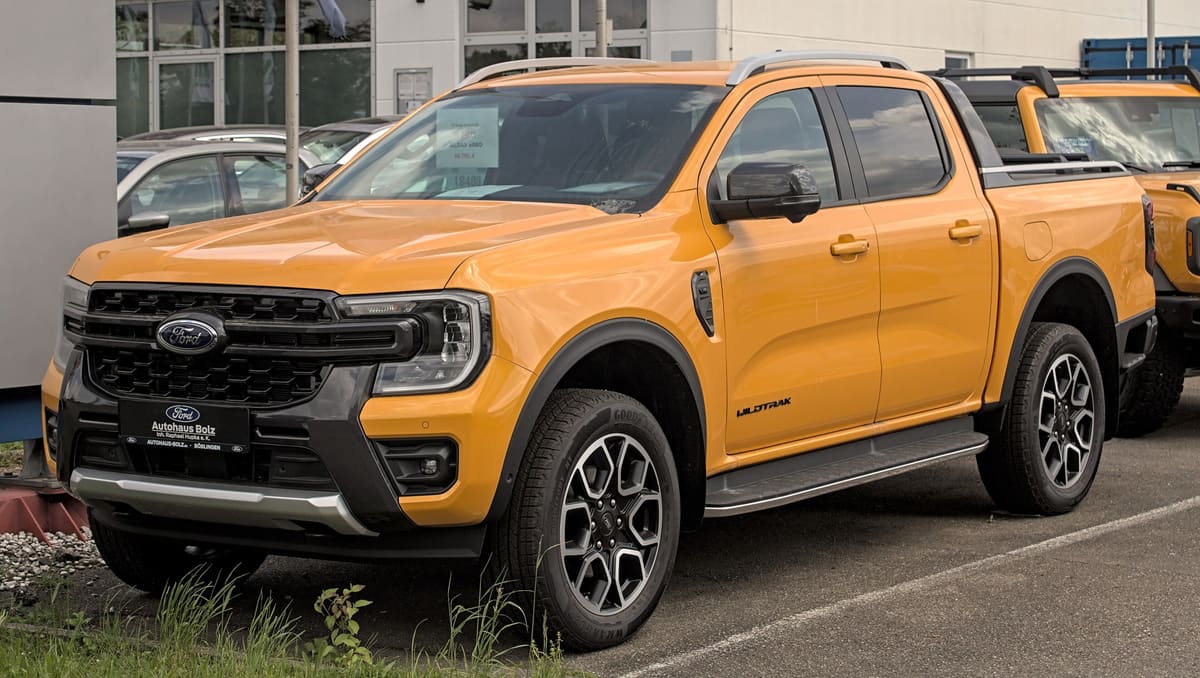
The Ford Ranger is a popular choice for those seeking a robust and versatile pick-up truck. Before purchasing a used model, it is essential to consider various factors such as reliability, condition, and history.
Research the Model History
Before purchasing a used Ford Ranger, it is crucial to research the specific model year you are considering. The Ranger has undergone several updates and redesigns, impacting performance, features, and reliability.
Additionally, check for any common issues reported for the model year you are interested in. The DVSA MOT data can provide insights into the vehicle’s historical performance, including any recurring faults that may affect your decision. Understanding the model history will help you identify a vehicle that meets your needs and expectations.
Inspect the Vehicle Thoroughly
When viewing a used Ford Ranger, a thorough inspection is essential. Start by examining the exterior for any signs of rust, dents, or paint inconsistencies. Pay particular attention to the wheel arches and undercarriage, as these areas are prone to corrosion, especially in older models.
Next, check the interior for wear and tear. Look for any signs of damage to the upholstery, dashboard, and controls. Ensure that all features, such as air conditioning, infotainment systems, and electrical components, are functioning correctly. A comprehensive inspection can reveal potential issues that may require costly repairs in the future.
Verify the Service History
A well-documented service history is a strong indicator of a used Ford Ranger’s reliability. Request the service records from the seller and review them carefully. Ensure that regular maintenance has been performed according to the manufacturer’s recommendations, including oil changes, brake inspections, and timing belt replacements.
If the service history is incomplete or missing, it may raise red flags about the vehicle’s care. Additionally, check for any outstanding recalls that may not have been addressed. A thorough service history can provide peace of mind and help you avoid potential pitfalls.
Check for Accident History
Understanding a used Ford Ranger’s accident history is vital before making a purchase. A vehicle that has been involved in a significant accident may have hidden damage that could affect its performance and safety. Request a vehicle history report to uncover any past incidents, including collisions, thefts, or insurance claims.
If the report indicates that the vehicle has been in an accident, ask the seller for details about the repairs conducted. Ensure that any damage was professionally repaired and that the vehicle meets safety standards. Knowing the accident history can help you decide with confidence and avoid potential issues down the line.
Evaluate the Mileage and Condition
Mileage is a crucial factor when assessing a used Ford Ranger. Generally, lower mileage indicates less wear and tear, but it is essential to consider the vehicle’s overall condition as well. A well-maintained Ranger with higher mileage may be a better option than a poorly maintained one with lower mileage.
When evaluating the condition, consider factors such as the engine’s performance, transmission smoothness, and suspension comfort. Take the vehicle for a test drive to assess its handling and responsiveness. Listen for any unusual noises and pay attention to how it feels on the road. A thorough evaluation of mileage and condition will help you determine the vehicle’s true value.
Assess Running Costs and Insurance
Before purchasing a used Ford Ranger, it is essential to consider the running costs and insurance premiums associated with the vehicle. The Ranger is known for its durability and capability, but fuel efficiency can vary between models and engine options. Research the average fuel consumption for the specific model you are considering to gauge ongoing fuel expenses.
Insurance costs can also differ significantly based on the vehicle’s age, engine size, and your personal driving history. Obtain quotes from various insurance providers to find the best coverage at a competitive rate. Understanding the running costs and insurance implications will help you budget effectively and avoid surprises after your purchase.
Test the Features and Technology
Modern Ford Rangers come equipped with various features and technology designed to enhance comfort and convenience. During your inspection, take the time to test all features, including the infotainment system, navigation, and safety technologies such as parking sensors and lane assist.
Ensure that the Bluetooth connectivity works smoothly with your devices and that the sound system meets your expectations. Familiarising yourself with the technology will help you determine if the vehicle suits your lifestyle and preferences. A thorough test of the features can also highlight any potential issues that may need addressing before finalising your purchase.
Ford Ranger recall record
41 recalls have been issued for the Ford Ranger, between 1999 and 2026.
26S35 – Ranger – Engine failure
R/2026/289Issued 31 August 2026
On affected vehicles it may be possible that one or more engine camshaft roller finger followers were not properly installed at the time of assembly. An improperly installed camshaft roller finger follower may result in engine failure resulting in a no-start condition or a loss of motive power.
Remedy:Replace the engine.
Affects cars built Mar 2025 to Mar 2025
26S10 - Kuga Ranger - Potential Exhaust Gas Recirculation Valve Failure
R/2026/160Issued 27 August 2026
On affected vehicles the Exhaust Gas Recirculation (EGR) valve may fail leading to weak acceleration engine vibration a no start condition or a loss of power.
Remedy:Replace the EGR valve.
Affects cars built Feb 2025 to Mar 2025
26S19 Ranger PHEV - High Voltage Battery Tray Retaining Bracket Replacement
R/2026/123Issued 22 June 2026
Affected vehicles may experience a fracture of the High Voltage Battery front mounting bracket lower legs potentially causing the battery to drop onto the chassis frame.
Remedy:Replace the High Voltage Battery which contains the retaining brackets
Affects cars built Aug 2025 to Aug 2025
25S19 Ranger – Automatic Transmission no reverse
R/2026/174Issued 8 May 2026
Ford constantly monitors production processes and vehicles in service. While monitoring vehicles in operation we have become aware of a number of Ranger automatic transmission vehicles where you may experience no reverse motion when the gear selector is placed in reverse due to a potential issue with the transmission main control valve body. The Malfunction Indicator Light (MIL) and Wrench light will illuminate when this malfunction occurs. The vehicle could roll forward despite the gear selector being in the reverse position depending on where parked. Unexpected vehicle motion can increase the risk of a crash.
Remedy:Replace the transmission main control valve body
Affects cars built Mar 2025 to Mar 2025
37 older recalls not shown.
A recall applies to a build range, not to every car of this model. Check a registration to see whether one specific vehicle has an outstanding recall.
Ford Ranger MOT record
From 120,895 recorded MOT tests, 22.6% failed.
| Registered | Tests | Failed | Median mileage |
|---|---|---|---|
| 2023 | 499 | 10.0% | 35,262 mi |
| 2022 | 14,896 | 13.7% | 40,379 mi |
| 2021 | 15,748 | 17.1% | 50,511 mi |
| 2020 | 11,254 | 19.7% | 57,248 mi |
| 2019 | 13,959 | 20.2% | 66,410 mi |
| 2018 | 13,584 | 21.9% | 74,688 mi |
| 2017 | 10,294 | 22.2% | 80,785 mi |
| 2016 | 10,086 | 22.9% | 87,459 mi |
Most common reasons for failure
- Tyre tread depth not in accordance with the requirements31.3%
- A spring or spring component fractured or seriously weakened24.4%
- A suspension pin, bush or joint excessively worn15.4%
- Brake pipe damaged or excessively corroded15.2%
- a brake lining or pad worn below 1.5mm13.7%
Figures cover every Ford Ranger tested in the DVSA dataset, not this specific car. Check a registration for the actual history of one vehicle.
Frequently asked questions
What should I look for when buying a used Ford Ranger?
Check the vehicle's service history, condition of the bodywork, and the mileage. It's also important to inspect the tyres and brakes, and ensure all electronics are functioning properly.
Are there different models of the Ford Ranger?
Yes, the Ford Ranger comes in various models and trims, including XL, XLT, and Wildtrak. Each model offers different features and specifications, so consider what suits your needs best.
What is the fuel economy like for the Ford Ranger?
Fuel economy can vary depending on the engine and model year. Generally, the Ford Ranger offers competitive fuel efficiency for a pickup, but it's best to check the specific model's figures.
Is the Ford Ranger suitable for off-road driving?
Yes, the Ford Ranger is designed for both on-road and off-road use. Models with four-wheel drive capabilities are particularly well-suited for off-road adventures.
What are the common issues with the Ford Ranger?
Some common issues reported include electrical problems and wear on suspension components. It's advisable to have a trusted mechanic inspect the vehicle before purchase.
How does the Ford Ranger compare to other pickups?
The Ford Ranger is known for its robust build quality, towing capacity, and advanced technology features. It competes well with other pickups like the Toyota Hilux and Mitsubishi L200.
What is the warranty coverage for a new Ford Ranger?
New Ford Rangers typically come with a manufacturer's warranty that covers defects for a certain period or mileage. Check with the dealer for specific details on warranty terms.
Can I customise my Ford Ranger?
Yes, there are many aftermarket options available for customising your Ford Ranger, including accessories for performance, aesthetics, and functionality. Just ensure any modifications comply with UK regulations.
Sources
- DVSA anonymised MOT tests and results (Open Government Licence v3.0)
- DVSA vehicle safety recalls (Open Government Licence v3.0)