Top fixes
Ford Ranger top fixes: how owners handle the common issues
Practical fixes for the common Ford Ranger faults owners run into.
Updated 23rd June 2026 DVSA data: Across 120,895 recorded MOT tests, 22.6% failed.
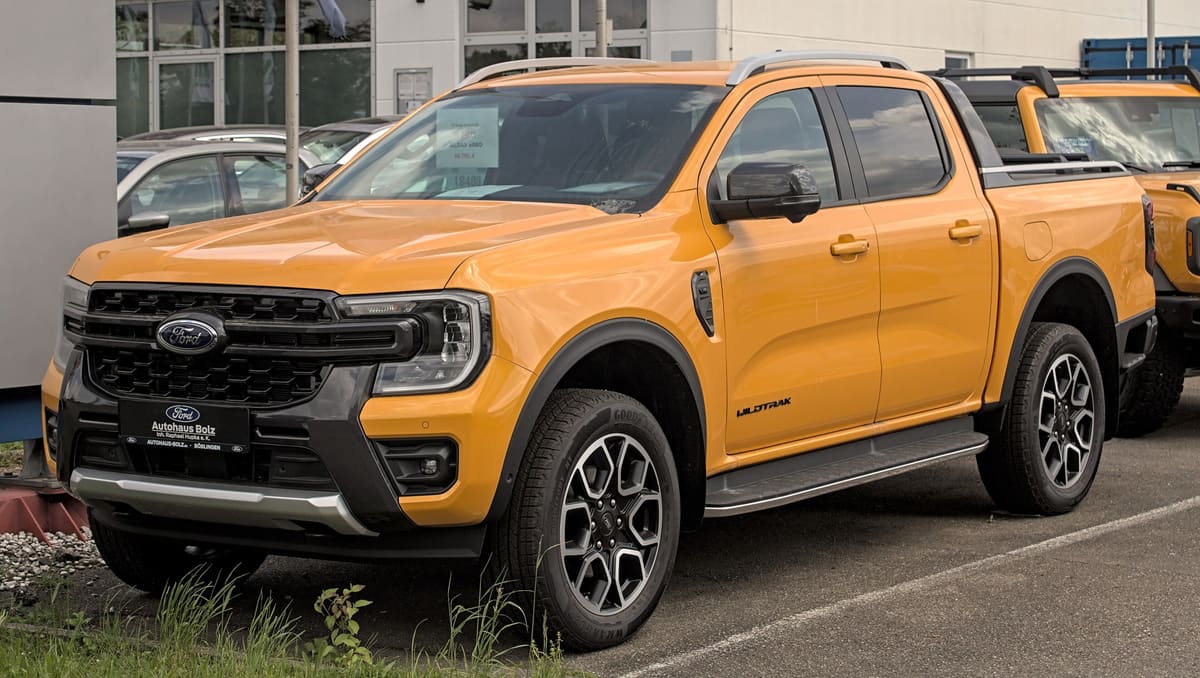
The Ford Ranger is a popular choice among UK drivers, but like any vehicle, it can experience issues. Common problems include electrical faults, transmission troubles, and suspension wear. Fortunately, many of these issues can be resolved with practical fixes that enhance reliability and performance.
Electrical Faults
Electrical issues are among the most frequently reported problems by Ford Ranger owners. Common symptoms include dashboard warning lights and malfunctioning accessories. Often, these problems stem from corroded connectors or blown fuses.
To fix electrical faults, start by inspecting the battery terminals for corrosion. Clean them with a wire brush and ensure a tight connection. If warning lights persist, use an OBD-II scanner to identify specific error codes. Replacing a blown fuse is a straightforward task, but if the problem continues, consider consulting a professional to check the wiring harness for damage.
Transmission Problems
Some Ford Ranger models have reported transmission issues, particularly with automatic gearboxes. Symptoms may include slipping gears, delayed shifting, or unusual noises. These problems can often be traced back to low transmission fluid levels or a faulty transmission control module.
Regularly check the transmission fluid level and condition. If it appears dirty or smells burnt, a fluid change may be necessary. For slipping gears, a software update may resolve the issue, so consult your dealer for the latest updates. If problems persist, a thorough inspection by a qualified mechanic is recommended to assess the transmission’s health.
Suspension Wear
Suspension components on the Ford Ranger can wear out over time, leading to a bumpy ride and poor handling. Common signs of suspension wear include uneven tyre wear, knocking noises, and a noticeable drop in ride height.
To address suspension issues, start by inspecting the shock absorbers and struts for leaks or damage. Replacing worn components can restore ride quality and handling. Additionally, ensure that the wheel alignment is checked regularly, as misalignment can exacerbate suspension wear and lead to further issues down the line.
Brake System Issues
The braking system is critical for safety, and some Ford Ranger owners have reported problems such as squeaking brakes, a spongy pedal feel, or reduced stopping power. These issues can arise from worn brake pads, contaminated brake fluid, or issues with the brake lines.
To fix brake system problems, begin by inspecting the brake pads for wear. If they are worn down, replacing them is essential. Additionally, check the brake fluid level and condition; if it appears dirty, a fluid flush may be necessary. If the pedal feels spongy, air may have entered the brake lines, requiring a bleed to remove any trapped air.
Engine Performance Issues
Engine performance problems can manifest as reduced power, poor fuel economy, or unusual noises. Common causes include clogged air filters, faulty spark plugs, or issues with the fuel system. Regular maintenance can help prevent these issues from arising.
Start by replacing the air filter if it appears dirty or clogged. This simple fix can significantly improve engine performance. Inspect the spark plugs for wear and replace them if necessary. If fuel delivery issues are suspected, consider using a fuel system cleaner to remove deposits from the injectors. If performance does not improve, a diagnostic check may be needed to identify deeper issues.
Tyre Problems
Tyre issues are common in the Ford Ranger, with owners often reporting uneven wear, punctures, or low pressure. Maintaining proper tyre health is crucial for safety and performance. Regular checks can help identify problems early.
Ensure that tyre pressure is checked monthly and adjusted according to the manufacturer’s recommendations. Inspect tyres for uneven wear patterns, which may indicate alignment or suspension issues. If punctures occur, consider using a temporary sealant or having the tyre professionally repaired. Regular rotation and balancing can also extend the life of your tyres and improve handling.
Ford Ranger recall record
41 recalls have been issued for the Ford Ranger, between 1999 and 2026.
26S35 – Ranger – Engine failure
R/2026/289Issued 31 August 2026
On affected vehicles it may be possible that one or more engine camshaft roller finger followers were not properly installed at the time of assembly. An improperly installed camshaft roller finger follower may result in engine failure resulting in a no-start condition or a loss of motive power.
Remedy:Replace the engine.
Affects cars built Mar 2025 to Mar 2025
26S10 - Kuga Ranger - Potential Exhaust Gas Recirculation Valve Failure
R/2026/160Issued 27 August 2026
On affected vehicles the Exhaust Gas Recirculation (EGR) valve may fail leading to weak acceleration engine vibration a no start condition or a loss of power.
Remedy:Replace the EGR valve.
Affects cars built Feb 2025 to Mar 2025
26S19 Ranger PHEV - High Voltage Battery Tray Retaining Bracket Replacement
R/2026/123Issued 22 June 2026
Affected vehicles may experience a fracture of the High Voltage Battery front mounting bracket lower legs potentially causing the battery to drop onto the chassis frame.
Remedy:Replace the High Voltage Battery which contains the retaining brackets
Affects cars built Aug 2025 to Aug 2025
25S19 Ranger – Automatic Transmission no reverse
R/2026/174Issued 8 May 2026
Ford constantly monitors production processes and vehicles in service. While monitoring vehicles in operation we have become aware of a number of Ranger automatic transmission vehicles where you may experience no reverse motion when the gear selector is placed in reverse due to a potential issue with the transmission main control valve body. The Malfunction Indicator Light (MIL) and Wrench light will illuminate when this malfunction occurs. The vehicle could roll forward despite the gear selector being in the reverse position depending on where parked. Unexpected vehicle motion can increase the risk of a crash.
Remedy:Replace the transmission main control valve body
Affects cars built Mar 2025 to Mar 2025
37 older recalls not shown.
A recall applies to a build range, not to every car of this model. Check a registration to see whether one specific vehicle has an outstanding recall.
Ford Ranger MOT record
From 120,895 recorded MOT tests, 22.6% failed.
| Registered | Tests | Failed | Median mileage |
|---|---|---|---|
| 2023 | 499 | 10.0% | 35,262 mi |
| 2022 | 14,896 | 13.7% | 40,379 mi |
| 2021 | 15,748 | 17.1% | 50,511 mi |
| 2020 | 11,254 | 19.7% | 57,248 mi |
| 2019 | 13,959 | 20.2% | 66,410 mi |
| 2018 | 13,584 | 21.9% | 74,688 mi |
| 2017 | 10,294 | 22.2% | 80,785 mi |
| 2016 | 10,086 | 22.9% | 87,459 mi |
Most common reasons for failure
- Tyre tread depth not in accordance with the requirements31.3%
- A spring or spring component fractured or seriously weakened24.4%
- A suspension pin, bush or joint excessively worn15.4%
- Brake pipe damaged or excessively corroded15.2%
- a brake lining or pad worn below 1.5mm13.7%
Figures cover every Ford Ranger tested in the DVSA dataset, not this specific car. Check a registration for the actual history of one vehicle.
Frequently asked questions
What common issues should I look for in a used Ford Ranger?
Common issues include rust on the chassis, electrical problems, and wear on the suspension components. It's also important to check for any signs of previous accidents.
How can I tell if the Ford Ranger has been well maintained?
Look for a full service history, including regular oil changes and maintenance records. A well-maintained vehicle will have documentation of any repairs and inspections.
Are there any known engine problems with the Ford Ranger?
Some Ford Ranger models have reported issues with the turbocharger and fuel injectors. It's advisable to have a mechanic inspect the engine for any unusual noises or performance issues.
What should I do if my Ford Ranger has a warning light on?
If a warning light appears, it's best to consult the owner's manual for guidance. You should also consider having the vehicle checked by a professional to diagnose the issue.
How often should I service my Ford Ranger?
It's generally recommended to service your Ford Ranger every 10,000 to 12,000 miles or annually, whichever comes first. Regular servicing helps prevent major issues down the line.
What are the signs of transmission problems in a Ford Ranger?
Signs of transmission problems include slipping gears, delayed shifting, or unusual noises when changing gears. If you notice these symptoms, it's important to have the transmission checked promptly.
Can I perform basic maintenance on my Ford Ranger myself?
Yes, basic maintenance tasks like oil changes, air filter replacements, and checking fluid levels can often be done at home. However, for more complex repairs, it's advisable to seek professional help.
Is it worth buying a Ford Ranger with high mileage?
Buying a high-mileage Ford Ranger can be worthwhile if it has a good service history and has been well maintained. Always have a thorough inspection done to assess its condition before purchasing.
Sources
- DVSA anonymised MOT tests and results (Open Government Licence v3.0)
- DVSA vehicle safety recalls (Open Government Licence v3.0)