MOT failure rates
Ford Ranger MOT failure rates: what to expect
What fails on a Ford Ranger at MOT, how often, and what each fix typically costs.
Updated 4th September 2026 DVSA data: Across 120,895 recorded MOT tests, 22.6% failed.
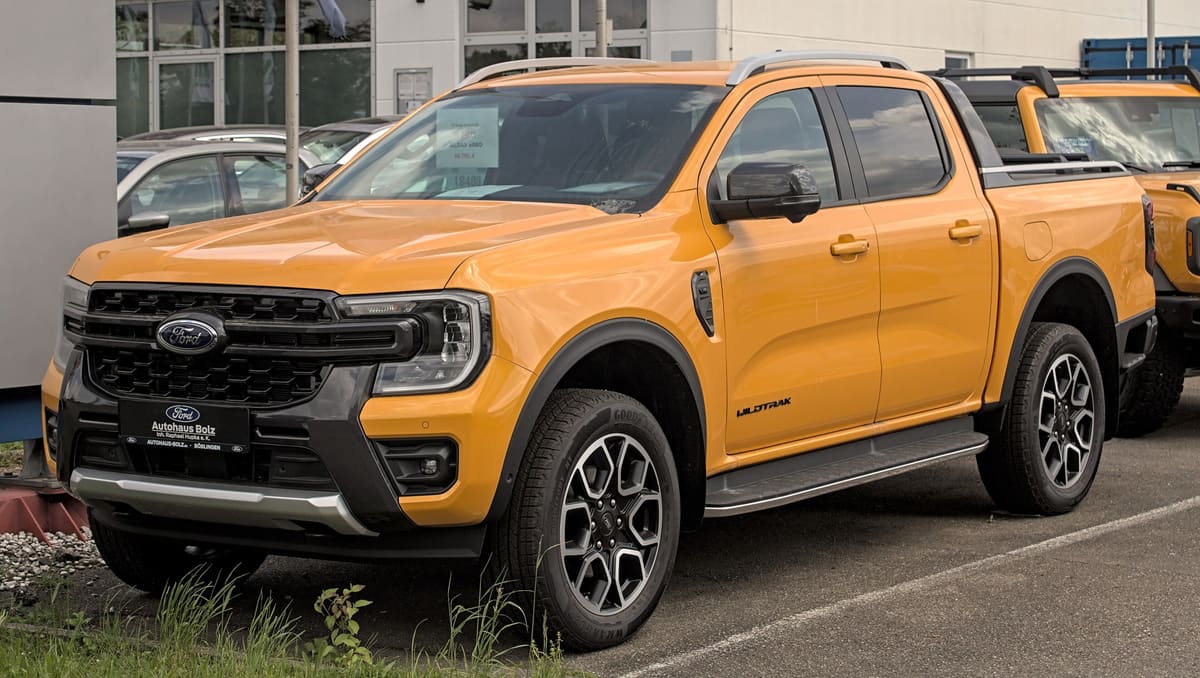
The Ford Ranger is known for its durability and versatility, but like any vehicle, it can face MOT failures. Common issues include suspension problems, emissions failures, and brake system deficiencies. Repair costs can vary, but addressing these issues promptly can help ensure your Ranger passes its MOT.
Suspension Problems
One of the most frequent causes of MOT failures for the Ford Ranger is suspension-related issues. This can include worn shock absorbers, damaged springs, or issues with the suspension bushes. These problems can affect the vehicle’s handling and safety, making them critical to address.
Regular inspections can help identify these issues before they lead to an MOT failure.
Emissions Failures
Emissions failures are another common reason for MOT failures in the Ford Ranger. This can occur due to a malfunctioning catalytic converter, faulty oxygen sensors, or issues with the exhaust system. As emissions regulations become stricter, ensuring your vehicle meets these standards is essential.
Keeping the exhaust system in good condition through regular maintenance can help prevent these costly repairs.
Brake System Deficiencies
The brake system is crucial for vehicle safety, and deficiencies in this area are a common cause of MOT failures for the Ford Ranger. Issues can arise from worn brake pads, damaged discs, or leaks in the brake lines. Ensuring your brakes are in optimal condition is vital for both passing the MOT and safe driving.
Regular brake checks and timely replacements can help avoid these issues during the MOT.
Tyre Condition
Tyres are another critical area that can lead to MOT failures for the Ford Ranger. Common issues include insufficient tread depth, uneven wear, or damage to the sidewalls. Proper tyre maintenance is essential not only for passing the MOT but also for ensuring safe driving conditions.
Regularly checking tyre pressure and tread depth can help you stay ahead of potential MOT failures.
Lighting and Visibility
Lighting and visibility issues are also common reasons for MOT failures in the Ford Ranger. Problems can include burnt-out bulbs, misaligned headlights, or damaged lenses. Ensuring all lights are functioning correctly is essential for safety and compliance during the MOT.
Regular checks of all lights and lenses can prevent these issues from arising at the time of the MOT.
Bodywork and Structural Integrity
While not as common as mechanical failures, issues with bodywork and structural integrity can also lead to MOT failures for the Ford Ranger. Rust, corrosion, or damage to the chassis can be serious concerns that need addressing. Maintaining the vehicle’s body is essential for both aesthetics and safety.
Repair costs for bodywork can vary significantly based on the extent of the damage. Regular inspections and prompt repairs can help maintain the integrity of your Ranger and ensure it passes its MOT.
Ford Ranger recall record
41 recalls have been issued for the Ford Ranger, between 1999 and 2026.
26S35 – Ranger – Engine failure
R/2026/289Issued 31 August 2026
On affected vehicles it may be possible that one or more engine camshaft roller finger followers were not properly installed at the time of assembly. An improperly installed camshaft roller finger follower may result in engine failure resulting in a no-start condition or a loss of motive power.
Remedy:Replace the engine.
Affects cars built Mar 2025 to Mar 2025
26S10 - Kuga Ranger - Potential Exhaust Gas Recirculation Valve Failure
R/2026/160Issued 27 August 2026
On affected vehicles the Exhaust Gas Recirculation (EGR) valve may fail leading to weak acceleration engine vibration a no start condition or a loss of power.
Remedy:Replace the EGR valve.
Affects cars built Feb 2025 to Mar 2025
26S19 Ranger PHEV - High Voltage Battery Tray Retaining Bracket Replacement
R/2026/123Issued 22 June 2026
Affected vehicles may experience a fracture of the High Voltage Battery front mounting bracket lower legs potentially causing the battery to drop onto the chassis frame.
Remedy:Replace the High Voltage Battery which contains the retaining brackets
Affects cars built Aug 2025 to Aug 2025
25S19 Ranger – Automatic Transmission no reverse
R/2026/174Issued 8 May 2026
Ford constantly monitors production processes and vehicles in service. While monitoring vehicles in operation we have become aware of a number of Ranger automatic transmission vehicles where you may experience no reverse motion when the gear selector is placed in reverse due to a potential issue with the transmission main control valve body. The Malfunction Indicator Light (MIL) and Wrench light will illuminate when this malfunction occurs. The vehicle could roll forward despite the gear selector being in the reverse position depending on where parked. Unexpected vehicle motion can increase the risk of a crash.
Remedy:Replace the transmission main control valve body
Affects cars built Mar 2025 to Mar 2025
37 older recalls not shown.
A recall applies to a build range, not to every car of this model. Check a registration to see whether one specific vehicle has an outstanding recall.
Ford Ranger MOT record
From 120,895 recorded MOT tests, 22.6% failed.
| Registered | Tests | Failed | Median mileage |
|---|---|---|---|
| 2023 | 499 | 10.0% | 35,262 mi |
| 2022 | 14,896 | 13.7% | 40,379 mi |
| 2021 | 15,748 | 17.1% | 50,511 mi |
| 2020 | 11,254 | 19.7% | 57,248 mi |
| 2019 | 13,959 | 20.2% | 66,410 mi |
| 2018 | 13,584 | 21.9% | 74,688 mi |
| 2017 | 10,294 | 22.2% | 80,785 mi |
| 2016 | 10,086 | 22.9% | 87,459 mi |
Most common reasons for failure
- Tyre tread depth not in accordance with the requirements31.3%
- A spring or spring component fractured or seriously weakened24.4%
- A suspension pin, bush or joint excessively worn15.4%
- Brake pipe damaged or excessively corroded15.2%
- a brake lining or pad worn below 1.5mm13.7%
Figures cover every Ford Ranger tested in the DVSA dataset, not this specific car. Check a registration for the actual history of one vehicle.
Frequently asked questions
What is the Ford Ranger MOT?
The Ford Ranger MOT is an annual test required in the UK to ensure that your vehicle meets safety and environmental standards. It checks various aspects of the vehicle, including brakes, lights, and emissions.
How often does my Ford Ranger need an MOT?
Your Ford Ranger needs an MOT test every 12 months once it is three years old. It is important to keep track of the expiry date to avoid penalties.
What documents do I need for the MOT test?
You should bring your Ford Ranger's V5C registration document and any previous MOT certificates. It's also helpful to have your insurance details and service history available.
What happens if my Ford Ranger fails the MOT?
If your Ford Ranger fails the MOT, you will receive a list of issues that need to be addressed. You must fix these problems and have the vehicle retested before you can legally drive it.
Can I drive my Ford Ranger if the MOT has expired?
No, you cannot legally drive your Ford Ranger if the MOT has expired unless you are driving it to a pre-booked MOT appointment. Doing so can result in fines and penalties.
How can I prepare my Ford Ranger for the MOT?
To prepare your Ford Ranger for the MOT, check the lights, brakes, and tyre condition. It is also wise to ensure that all fluids are topped up and that there are no visible issues.
Where can I get my Ford Ranger MOT done?
You can get your Ford Ranger MOT done at any authorised testing centre in the UK. Many garages offer MOT services, so it's a good idea to compare prices and reviews.
How long does the MOT test take?
The MOT test typically takes about 45 minutes to an hour. However, it can take longer if your Ford Ranger requires repairs or if the garage is busy.
Sources
- DVSA anonymised MOT tests and results (Open Government Licence v3.0)
- DVSA vehicle safety recalls (Open Government Licence v3.0)