Top fixes
Honda HR-V top fixes: how owners handle the common issues
Practical fixes for the common Honda HR-V faults owners run into.
Updated 4th September 2026 DVSA data: Across 37,573 recorded MOT tests, 9.3% failed.
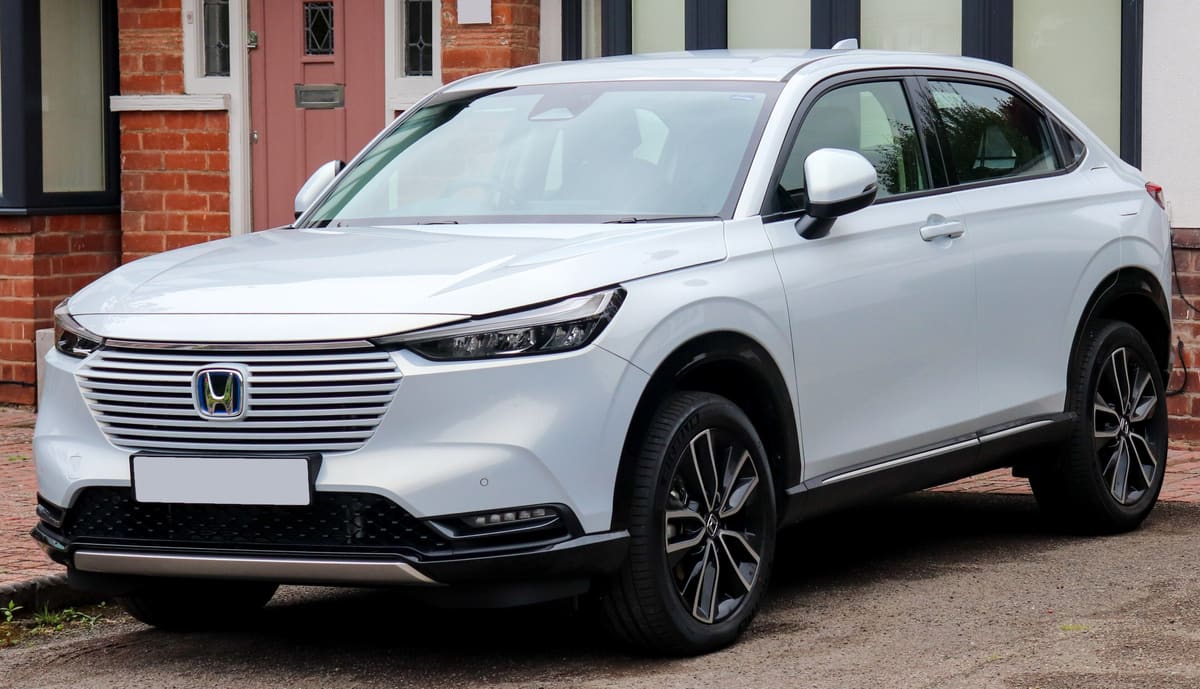
The Honda HR-V is a popular choice among UK drivers, but like any vehicle, it can experience issues over time. Common problems include electrical faults, suspension wear, and engine performance concerns. Here are practical fixes for these common issues that HR-V owners may encounter.
Electrical Faults
Electrical issues are among the most frequently reported problems with the Honda HR-V. Owners often experience malfunctioning windows, faulty dashboard lights, or issues with the infotainment system.
To address electrical faults, start by checking the fuses related to the affected components. Replacing a blown fuse can often resolve minor electrical issues. If problems persist, inspect the wiring harness for any signs of wear or damage. For infotainment system glitches, a software update or a reset may be necessary, which can usually be done through the vehicle’s settings.
Suspension Wear
Suspension problems can lead to a bumpy ride and uneven tyre wear, making it a common concern for HR-V owners. Symptoms include knocking noises when driving over bumps or a noticeable decrease in ride comfort.
Regularly inspecting the suspension components, such as shock absorbers and struts, is essential. If you notice any leaks or excessive play in these parts, they may need replacement. Additionally, ensure that the wheel alignment is checked periodically to prevent uneven tyre wear and maintain optimal handling.
Engine Performance Issues
Some Honda HR-V owners report issues related to engine performance, such as rough idling, decreased power, or poor fuel efficiency. These problems can stem from various causes, including clogged air filters or fuel injectors.
To improve engine performance, start with a thorough inspection of the air filter and replace it if it appears dirty or clogged. Regularly servicing the fuel system, including cleaning or replacing fuel injectors, can also enhance performance. If the engine warning light is illuminated, using an OBD-II scanner to diagnose the issue can help pinpoint the problem.
Brake Problems
Brake issues can be a serious concern for any vehicle owner, and the Honda HR-V is no exception. Common complaints include squeaking noises, a spongy brake pedal, or reduced braking efficiency.
To address brake problems, first inspect the brake pads and discs for wear. If the pads are worn down, replacing them is crucial for maintaining safe braking performance. Additionally, check the brake fluid level and condition; if it appears dark or contaminated, a brake fluid change may be necessary. Regular brake inspections can help catch issues before they become serious.
Air Conditioning Malfunctions
Air conditioning problems can make driving uncomfortable, especially during the warmer months. Common issues include weak airflow, strange smells, or the system blowing hot air instead of cold.
Begin by checking the cabin air filter, as a clogged filter can restrict airflow. If the air conditioning system is blowing warm air, it may indicate a refrigerant leak or a faulty compressor. In such cases, a professional inspection is recommended to diagnose and repair the issue properly. Regular servicing of the air conditioning system can help prevent malfunctions.
Tyre Wear and Alignment Issues
Uneven tyre wear is a common issue reported by Honda HR-V owners, often resulting from misalignment or suspension problems. Symptoms include a vibrating steering wheel or the vehicle pulling to one side.
To address tyre wear, regularly check the tyre pressure and ensure it is at the recommended levels. If you notice uneven wear patterns, it may be time for a wheel alignment. Rotating the tyres every 5,000 to 7,500 miles can also promote even wear and extend tyre life. Keeping an eye on tread depth is essential for maintaining traction and safety.
By addressing these common issues proactively, Honda HR-V owners can enhance their vehicle’s performance and longevity. Regular maintenance and timely repairs can go a long way in ensuring a smooth and enjoyable driving experience.
Honda HR-V recall record
4 recalls have been issued for the Honda HR-V, between 2018 and 2020.
VEHICLES MAY BE EQUIPPED WITH A FUEL PUMP MODULE MANUFACTURED WITH LOW DENSITY IMPELLARS
R/2020/186Issued 24 August 2020
Affected vehicles may be equipped with a fuel pump module manufactured with low density impellers.
Remedy:The affected fuel pumps will be replaced.
Affects cars built Nov 2017 to Apr 2018
DUE TO INCORRECT MANUFACTURING THE REAR SEAT BELT ASSEMBLY WEBBING SENSOR COULD BECOME INOPERATIVE
R/2020/194Issued 14 August 2020
The webbing sensor in the rear centre seat belt assembly could become inoperative.
Remedy:Check and if the seat belt is within the affected range the seat belt will be replaced.
Affects cars built Aug 2019 to Sept 2019
THE REGULATORY REQUIREMENT FOR EMISSIONS LEVELS ARE NOT MET
R/2020/008Issued 31 January 2020
The regulatory requirement for emissions levels are not met.
Remedy:Update the software in the Engine Control Unit to improve the performance of the emissions control system
Affects cars built Feb 2015 to May 2018
DURING ASSEMBLY THE CABIN HARNESS CLIP WAS BROKEN RESULTING IN THE HARNESS NOT BEING CORRECTLY SECURED IN FRONT LEFT CHASSIS RAIL / SUSPENSION TURRET AREA
R/2018/225Issued 2 October 2018
During vehicle assembly the cabin harness was pulled to make the process easier to manage. By pulling the harness a clip was broken or dislodged resulting in the harness not being correctly secured in the front left chassis rail / suspension turret area. In around 10% of affected units the harness makes contact with the transmission mount. The vibration of the transmission can cause the harness to be damaged. If the conductors are exposed this can result in a short circuit and blown fuse. Customer complaints are that the engine does not start and/or the wiper does not work. The engine does not start and/or the windscreen wipers do not work.
Remedy:The technician will carry out an inspection of the cabin harness and harness clip to determine the required repair: Replace harness clip if it is damaged/missing; Repair the cabin harness in the case of mild abrasion to the harness outer; Replace the cabin harness in the case of exposed conductors.
Affects cars built Sept 2014 to Apr 2018
A recall applies to a build range, not to every car of this model. Check a registration to see whether one specific vehicle has an outstanding recall.
Honda HR-V MOT record
From 37,573 recorded MOT tests, 9.3% failed.
| Registered | Tests | Failed | Median mileage |
|---|---|---|---|
| 2023 | 361 | 2.8% | 16,967 mi |
| 2022 | 6,197 | 2.9% | 19,994 mi |
| 2021 | 439 | 2.5% | 25,228 mi |
| 2020 | 3,647 | 5.9% | 29,304 mi |
| 2019 | 4,772 | 5.9% | 34,894 mi |
| 2018 | 5,993 | 8.1% | 43,156 mi |
| 2017 | 5,749 | 11.2% | 52,141 mi |
| 2016 | 6,793 | 14.8% | 60,243 mi |
Most common reasons for failure
- Tyre tread depth not in accordance with the requirements30.0%
- A tyre seriously damaged23.9%
- a brake lining or pad worn below 1.5mm21.7%
- A suspension pin, bush or joint excessively worn15.2%
- A shock absorber damaged to the extent that it does not function or showing signs of severe leakage9.1%
Figures cover every Honda HR-V tested in the DVSA dataset, not this specific car. Check a registration for the actual history of one vehicle.
Honda HR-V official figures
Median across 9 variants on sale, petrol electric.
- Combined economy
- 52.3 mpg
- WLTP median across variants
- CO2 emissions
- 104 g/km
- Sets the first-year tax rate
Official figures for new cars. Real economy varies with driving, load and conditions.
Frequently asked questions
What are common issues with the Honda HR-V?
Common issues with the Honda HR-V include problems with the suspension, electrical faults, and occasional engine performance concerns. Regular maintenance can help mitigate these issues.
How can I tell if my Honda HR-V needs repairs?
Signs that your Honda HR-V may need repairs include unusual noises, warning lights on the dashboard, and changes in handling or performance. It's best to consult a mechanic if you notice any of these symptoms.
Are there any recalls on the Honda HR-V?
Recalls are issued against individual vehicles rather than a model as a whole, so a model-level yes or no would be guesswork. Enter the registration on Honest Car Check and we check the DVSA record for that specific car. Where DVSA holds no status, confirm it with a franchised dealer using the VIN.
What should I do if my Honda HR-V has a warning light?
If a warning light appears on your Honda HR-V, you should check the owner's manual for guidance. If the light persists, it's advisable to have the vehicle inspected by a qualified mechanic.
How often should I service my Honda HR-V?
You should service your Honda HR-V at least once a year or every 12,000 miles, whichever comes first. Regular servicing helps maintain performance and can prevent costly repairs.
Can I perform basic maintenance on my Honda HR-V myself?
Yes, you can perform basic maintenance tasks such as checking oil levels, replacing air filters, and changing wiper blades. However, for more complex issues, it is best to consult a professional.
What are the signs of a failing transmission in the Honda HR-V?
Signs of a failing transmission in the Honda HR-V include slipping gears, delayed shifting, and unusual noises when changing gears. If you experience these symptoms, seek professional help.
Is it expensive to repair a Honda HR-V?
Repair costs for a Honda HR-V can vary depending on the issue and the garage you choose. Generally, routine maintenance is affordable, but more serious repairs can be costly.
Sources
- DVSA anonymised MOT tests and results (Open Government Licence v3.0)
- VCA new car fuel consumption and emissions data (Open Government Licence v3.0)
- DVSA vehicle safety recalls (Open Government Licence v3.0)