Common problems
Mitsubishi Shogun common problems and reliability issues
Honest rundown of the most common Mitsubishi Shogun faults, what to watch for, and how to keep one running well.
Updated 23rd June 2026 DVSA data: Across 27,709 recorded MOT tests, 27.4% failed.
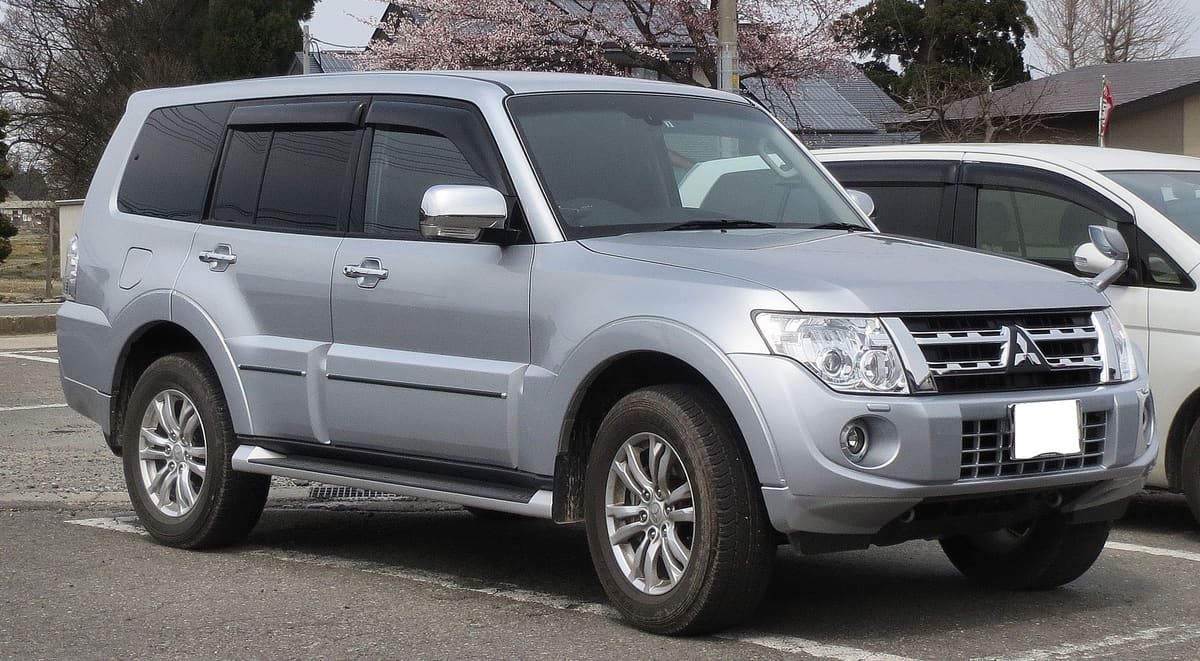
The Mitsubishi Shogun is a robust 4x4 known for its off-road capabilities and reliability. Owners often report issues related to the engine, transmission, electrical system, and suspension, which can affect performance and safety.
Engine Issues
One of the most frequently reported problems with the Mitsubishi Shogun involves its engine. Owners have noted issues such as excessive oil consumption and turbocharger failures. These problems can lead to decreased performance and increased running costs.
Excessive oil consumption can be caused by worn piston rings or valve seals, which may require significant engine work to rectify. Turbocharger failures, on the other hand, can result from oil starvation or contamination, leading to costly repairs. Regular maintenance and timely oil changes can help mitigate some of these issues.
Transmission Problems
Transmission issues are another common concern for Shogun owners. Automatic transmission failures, particularly in older models, have been reported, often manifesting as slipping gears or delayed engagement. These problems can not only affect drivability but also lead to more severe damage if not addressed promptly.
The automatic transmission fluid should be checked regularly and replaced as per the manufacturer’s recommendations. In some cases, a complete transmission rebuild may be necessary if the problems are severe. Manual transmissions can also experience clutch wear, particularly if the vehicle has been used for towing or off-road driving.
Electrical System Faults
The electrical system in the Mitsubishi Shogun can present various issues, including problems with the battery, alternator, and wiring. Owners have reported issues such as warning lights illuminating on the dashboard, which can indicate underlying electrical faults.
A failing alternator can lead to battery drain, leaving the vehicle unable to start. Additionally, wiring issues can cause intermittent faults that may be challenging to diagnose. Regular checks of the battery and alternator, along with addressing any warning lights promptly, can help maintain the electrical system’s integrity.
Suspension and Steering Problems
Suspension and steering components in the Shogun can wear over time, leading to handling issues and a less comfortable ride. Common problems include worn shock absorbers, bushings, and ball joints, which can affect the vehicle’s stability and performance.
Worn shock absorbers can result in a bouncy ride and decreased handling, particularly on rough terrain. Regular inspections of the suspension system can help identify worn components early, allowing for timely replacements. Steering issues, such as play in the steering wheel, can also arise from worn components and should be addressed to ensure safe driving.
Brake System Concerns
The brake system in the Mitsubishi Shogun is generally reliable, but some owners have reported issues with brake pads wearing prematurely or brake fluid leaks. These problems can compromise safety and should be addressed immediately.
Premature brake pad wear can be exacerbated by aggressive driving or heavy loads, particularly in off-road conditions. Regular inspections and timely replacements of brake pads and discs are essential for maintaining braking performance. Brake fluid leaks can lead to a loss of braking efficiency, making it crucial to check for leaks during routine maintenance.
Fuel System Problems
Fuel system issues can also affect the performance of the Mitsubishi Shogun. Common problems include fuel pump failures and clogged fuel filters, which can lead to starting difficulties or reduced engine performance.
A failing fuel pump may cause the engine to stall or struggle to start, while a clogged fuel filter can restrict fuel flow, affecting acceleration and power. Regular maintenance, including fuel filter changes, can help prevent these issues and ensure the engine runs smoothly.
By staying informed about these common problems and adhering to a regular maintenance schedule, Mitsubishi Shogun owners can enjoy a reliable and capable vehicle for years to come.
Mitsubishi Shogun recall record
12 recalls have been issued for the Mitsubishi Shogun, between 2000 and 2020.
THE RIGHT FRONT LOWER ARM ASSEMBLY COULD BE BROKEN DUE TO IMPROPER WELDING
R/2020/147Issued 20 November 2020
The right front lower arm assembly could be broken due to improper welding by the supplier.
Remedy:The right front lower arm will be replaced
Affects cars built Oct 2016 to Feb 2018
PROPELLANT IN THE DRIVER AND PASSENGER SIDE AIRBAG INFLATORS MAY HAVE DETERIORATED
R/2017/275Issued 30 October 2017
The propellant (ammonium nitrate) in the inflator of the drivers and passengers front airbag inflator may deteriorate due to high temperature and humid conditions over a longer period in use. As a result the inflator body may rupture during airbag deployment in the event of an accident where the airbags are required to be deployed. The inflator body may rupture during airbag deployment with the potential to cause injury.
Remedy:Replacement of the driver and passenger front airbag inflators.
Affects cars built Sept 2006 to Jun 2012
ENGINE MAY STALL
R/2015/003Issued 11 February 2015
Due to a fault in the engine ECU software it is possible that the 4M41 engines in the Shogun will not learn the variations or age deterioration in injectors and be able to adjust the amount of fuel being injection accordingly. This inability to learn these values correctly can result in the engine emits an excessive amount of soot to the DPF which can block it. This can result in the engine stalling and not being able to restart.
Remedy:Recall all affected vehicles and reprogramme engine ECU software.
Affects cars built Oct 2011 to Dec 2013
ENGINE MAY STALL
R/2015/004Issued 11 February 2015
Due to a high carbon build up the check ball seat of the timing chain tensioner can show premature wear. It is possible that the check ball may stick to the seat preventing the tensioner from functioning properly. This in turn will result in an un-tensioned timing chain which causes a rattling noise and in the worst cases the chain will break.
Remedy:Replace tensioner on all affected vehicles. Depending on outcome of further inspections the timing chain may also need to be replaced.
Affects cars built Oct 2006 to Mar 2014
8 older recalls not shown.
A recall applies to a build range, not to every car of this model. Check a registration to see whether one specific vehicle has an outstanding recall.
Mitsubishi Shogun MOT record
From 27,709 recorded MOT tests, 27.4% failed.
| Registered | Tests | Failed | Median mileage |
|---|---|---|---|
| 2021 | 1,191 | 10.5% | 41,287 mi |
| 2020 | 671 | 14.5% | 44,083 mi |
| 2019 | 725 | 16.1% | 52,507 mi |
| 2018 | 1,123 | 16.1% | 55,358 mi |
| 2017 | 1,152 | 16.2% | 60,426 mi |
| 2016 | 1,523 | 18.6% | 67,356 mi |
| 2015 | 1,820 | 18.9% | 73,365 mi |
| 2014 | 1,532 | 21.9% | 86,422 mi |
Most common reasons for failure
- A suspension pin, bush or joint excessively worn33.2%
- Brake pipe damaged or excessively corroded18.7%
- The strength or continuity of the load bearing structure within 30cm of any sub-frame, spring or suspension component mounting (a 'prescribed area') is significantly reduced or inadequately repaired17.7%
- Tyre tread depth not in accordance with the requirements17.4%
- Vehicle structure corroded to the extent that the rigidity of the assembly is seriously reduced13.0%
Figures cover every Mitsubishi Shogun tested in the DVSA dataset, not this specific car. Check a registration for the actual history of one vehicle.
Frequently asked questions
What are the most common issues with the Mitsubishi Shogun?
Common issues with the Mitsubishi Shogun include electrical faults, suspension problems, and engine oil leaks. It's important to check the vehicle's service history for any recurring issues.
How reliable is the Mitsubishi Shogun?
The Mitsubishi Shogun is generally considered reliable, but like any vehicle, it can experience problems. Regular maintenance and timely repairs can help ensure its longevity.
Are there any known transmission problems with the Mitsubishi Shogun?
Some Mitsubishi Shogun models have reported transmission issues, particularly with automatic gearboxes. It's advisable to check for smooth shifting and any warning lights during a test drive.
What should I look for during a pre-purchase inspection of a Mitsubishi Shogun?
During a pre-purchase inspection, check for signs of rust, especially on the chassis and underbody. Also, inspect the suspension components and listen for any unusual noises from the engine.
Is the fuel consumption of the Mitsubishi Shogun a concern?
Fuel consumption can be a concern, as the Mitsubishi Shogun is not the most economical vehicle. Buyers should consider their driving habits and whether they can accommodate the fuel costs.
How can I prevent common problems with the Mitsubishi Shogun?
Regular servicing and maintenance are key to preventing common problems. Keeping an eye on fluid levels and addressing any warning signs early can also help maintain the vehicle's performance.
What are the signs of a failing suspension in a Mitsubishi Shogun?
Signs of a failing suspension include a rough ride, excessive bouncing, and uneven tyre wear. If you notice these symptoms, it may be time to have the suspension system checked.
Sources
- DVSA anonymised MOT tests and results (Open Government Licence v3.0)
- DVSA vehicle safety recalls (Open Government Licence v3.0)