Reliability
Mitsubishi Shogun reliability: how dependable is it really?
What Mitsubishi Shogun owners actually report, by year, plus what MOT data tells us about its reliability.
Updated 23rd June 2026 DVSA data: Across 27,709 recorded MOT tests, 27.4% failed.
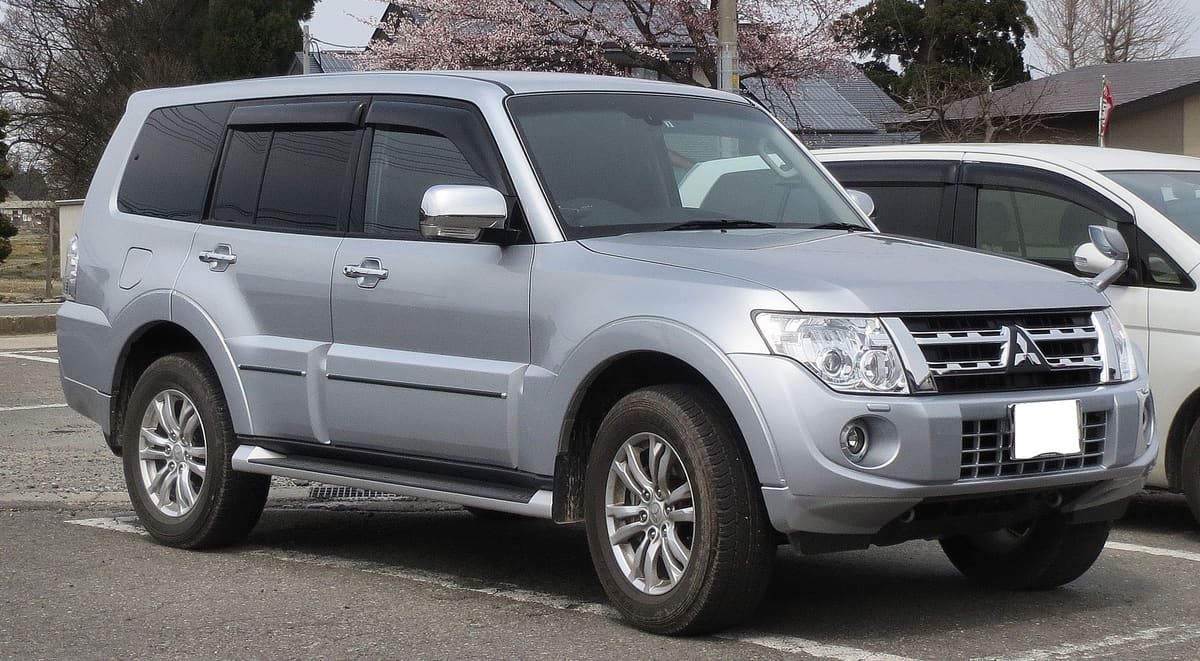
The Mitsubishi Shogun is generally considered a reliable vehicle, known for its robust build and off-road capabilities. However, its dependability can vary by year, with certain models showing more issues than others. Overall, it remains a solid choice for those seeking a durable SUV.
Overview of Mitsubishi Shogun Reliability
The Mitsubishi Shogun has a reputation for being a tough and reliable SUV, particularly suited for off-road adventures. Its sturdy construction and powerful engine options contribute to its long-lasting performance. According to DVSA MOT data, many Shogun models pass their MOT tests with minimal issues, indicating a strong reliability record.
The Shogun has been praised for its ability to handle rough terrains while maintaining comfort on the road.
Early Models (1982-1990)
The first generation of the Mitsubishi Shogun, produced from 1982 to 1990, laid the groundwork for the model’s reputation. These early models are generally considered reliable, but they do have some common issues. Owners have reported problems with rust, particularly in the chassis and bodywork, which can affect longevity.
Another area of concern for early Shogun models is the electrical system. While not widespread, issues with wiring and electrical components can arise, leading to frustrating repairs. Despite these drawbacks, many owners have found these early models to be dependable, especially with regular maintenance.
Second Generation (1991-1999)
The second generation, produced from 1991 to 1999, saw improvements in both reliability and technology. This era introduced more advanced engine options and a more comfortable interior. However, some owners have reported issues with the automatic transmission, particularly in models produced in the mid-1990s.
Another common problem during this period is related to suspension components. Wear and tear on bushings and shock absorbers can lead to a less comfortable ride and may require replacement. Overall, the second generation Shogun is still viewed positively, with many owners praising its off-road capabilities and dependability.
Third Generation (2000-2006)
The third generation Shogun, produced from 2000 to 2006, is often regarded as one of the most reliable models in the lineup. This generation features a more refined engine and improved safety features, contributing to its strong reputation. However, some owners have reported issues with the diesel engine, particularly regarding fuel injectors.
Another area of concern is the electronic stability control system, which can sometimes malfunction. While these issues are not widespread, they can be costly to repair. Despite these potential problems, the third generation Shogun remains a favourite among off-road enthusiasts for its durability and performance.
Fourth Generation (2007-2015)
The fourth generation Shogun, produced from 2007 to 2015, continued the trend of reliability but introduced new technology that some users found problematic. The infotainment system has been noted for its complexity, leading to user frustration. Additionally, some models experienced issues with the air conditioning system, which could require repairs.
On the positive side, this generation has received praise for its towing capacity and off-road performance. Many owners report that with regular maintenance, the Shogun remains a dependable choice for both daily driving and adventurous outings.
Recent Models (2016-Present)
The latest models of the Mitsubishi Shogun, produced from 2016 onwards, have maintained the brand’s commitment to reliability. These vehicles come equipped with modern safety features and improved fuel efficiency. However, some owners have reported minor electrical issues, particularly related to the vehicle’s infotainment system.
Despite these concerns, the recent Shogun models are generally well-regarded for their performance and dependability. The robust build quality and off-road capabilities continue to attract buyers looking for a reliable SUV. As with previous generations, regular servicing is key to maintaining the vehicle’s reliability over time.
Factors Affecting Reliability
Several factors can influence the reliability of the Mitsubishi Shogun, including maintenance history, driving habits, and environmental conditions. Regular servicing and timely repairs can significantly extend the lifespan of any vehicle, including the Shogun. Owners who adhere to the manufacturer’s recommended maintenance schedule often report fewer issues.
Driving habits also play a crucial role in a vehicle’s reliability. Those who frequently drive off-road or in harsh conditions may experience more wear and tear than those who use their Shogun primarily for city driving. Additionally, environmental factors such as salt exposure in coastal areas can lead to rust and corrosion, impacting the vehicle’s overall durability.
while the Mitsubishi Shogun has a solid reputation for reliability, potential buyers should consider the specific model year and its known issues. By doing so, they can decide with confidence and enjoy the benefits of this dependable SUV for years to come.
Mitsubishi Shogun recall record
12 recalls have been issued for the Mitsubishi Shogun, between 2000 and 2020.
THE RIGHT FRONT LOWER ARM ASSEMBLY COULD BE BROKEN DUE TO IMPROPER WELDING
R/2020/147Issued 20 November 2020
The right front lower arm assembly could be broken due to improper welding by the supplier.
Remedy:The right front lower arm will be replaced
Affects cars built Oct 2016 to Feb 2018
PROPELLANT IN THE DRIVER AND PASSENGER SIDE AIRBAG INFLATORS MAY HAVE DETERIORATED
R/2017/275Issued 30 October 2017
The propellant (ammonium nitrate) in the inflator of the drivers and passengers front airbag inflator may deteriorate due to high temperature and humid conditions over a longer period in use. As a result the inflator body may rupture during airbag deployment in the event of an accident where the airbags are required to be deployed. The inflator body may rupture during airbag deployment with the potential to cause injury.
Remedy:Replacement of the driver and passenger front airbag inflators.
Affects cars built Sept 2006 to Jun 2012
ENGINE MAY STALL
R/2015/003Issued 11 February 2015
Due to a fault in the engine ECU software it is possible that the 4M41 engines in the Shogun will not learn the variations or age deterioration in injectors and be able to adjust the amount of fuel being injection accordingly. This inability to learn these values correctly can result in the engine emits an excessive amount of soot to the DPF which can block it. This can result in the engine stalling and not being able to restart.
Remedy:Recall all affected vehicles and reprogramme engine ECU software.
Affects cars built Oct 2011 to Dec 2013
ENGINE MAY STALL
R/2015/004Issued 11 February 2015
Due to a high carbon build up the check ball seat of the timing chain tensioner can show premature wear. It is possible that the check ball may stick to the seat preventing the tensioner from functioning properly. This in turn will result in an un-tensioned timing chain which causes a rattling noise and in the worst cases the chain will break.
Remedy:Replace tensioner on all affected vehicles. Depending on outcome of further inspections the timing chain may also need to be replaced.
Affects cars built Oct 2006 to Mar 2014
8 older recalls not shown.
A recall applies to a build range, not to every car of this model. Check a registration to see whether one specific vehicle has an outstanding recall.
Mitsubishi Shogun MOT record
From 27,709 recorded MOT tests, 27.4% failed.
| Registered | Tests | Failed | Median mileage |
|---|---|---|---|
| 2021 | 1,191 | 10.5% | 41,287 mi |
| 2020 | 671 | 14.5% | 44,083 mi |
| 2019 | 725 | 16.1% | 52,507 mi |
| 2018 | 1,123 | 16.1% | 55,358 mi |
| 2017 | 1,152 | 16.2% | 60,426 mi |
| 2016 | 1,523 | 18.6% | 67,356 mi |
| 2015 | 1,820 | 18.9% | 73,365 mi |
| 2014 | 1,532 | 21.9% | 86,422 mi |
Most common reasons for failure
- A suspension pin, bush or joint excessively worn33.2%
- Brake pipe damaged or excessively corroded18.7%
- The strength or continuity of the load bearing structure within 30cm of any sub-frame, spring or suspension component mounting (a 'prescribed area') is significantly reduced or inadequately repaired17.7%
- Tyre tread depth not in accordance with the requirements17.4%
- Vehicle structure corroded to the extent that the rigidity of the assembly is seriously reduced13.0%
Figures cover every Mitsubishi Shogun tested in the DVSA dataset, not this specific car. Check a registration for the actual history of one vehicle.
Frequently asked questions
How reliable is the Mitsubishi Shogun?
The Mitsubishi Shogun is generally regarded as a reliable vehicle, known for its robust build and longevity. Many owners report minimal issues over the years with proper maintenance.
What common problems should I look out for in a used Mitsubishi Shogun?
Common issues can include rust, particularly on older models, and wear on suspension components. It's also advisable to check the service history for any recurring problems.
How does the Shogun compare to other 4x4s in terms of reliability?
The Shogun is often praised for its reliability compared to other 4x4s, especially in off-road conditions. It has a reputation for being tough and dependable.
What is the average lifespan of a Mitsubishi Shogun?
With regular maintenance, a Mitsubishi Shogun can easily last over 200,000 miles. Many owners have reported their vehicles running well beyond this mark.
Are parts for the Mitsubishi Shogun easy to find?
Yes, parts for the Mitsubishi Shogun are generally easy to find, both from dealerships and aftermarket suppliers. This can help keep maintenance costs manageable.
Is the Mitsubishi Shogun expensive to maintain?
Maintenance costs for the Mitsubishi Shogun are typically reasonable, especially considering its reliability. Regular servicing can help prevent costly repairs down the line.
What should I check before buying a used Mitsubishi Shogun?
Before purchasing, check the service history, look for signs of rust, and inspect the condition of the suspension and tyres. A thorough test drive is also recommended.
Does the Mitsubishi Shogun have a good resale value?
The Mitsubishi Shogun tends to hold its value well compared to some other 4x4s, thanks to its reputation for reliability and durability. However, resale value can vary based on condition and mileage.
Sources
- DVSA anonymised MOT tests and results (Open Government Licence v3.0)
- DVSA vehicle safety recalls (Open Government Licence v3.0)