Top fixes
Mitsubishi Shogun top fixes: how owners handle the common issues
Practical fixes for the common Mitsubishi Shogun faults owners run into.
Updated 23rd June 2026 DVSA data: Across 27,709 recorded MOT tests, 27.4% failed.
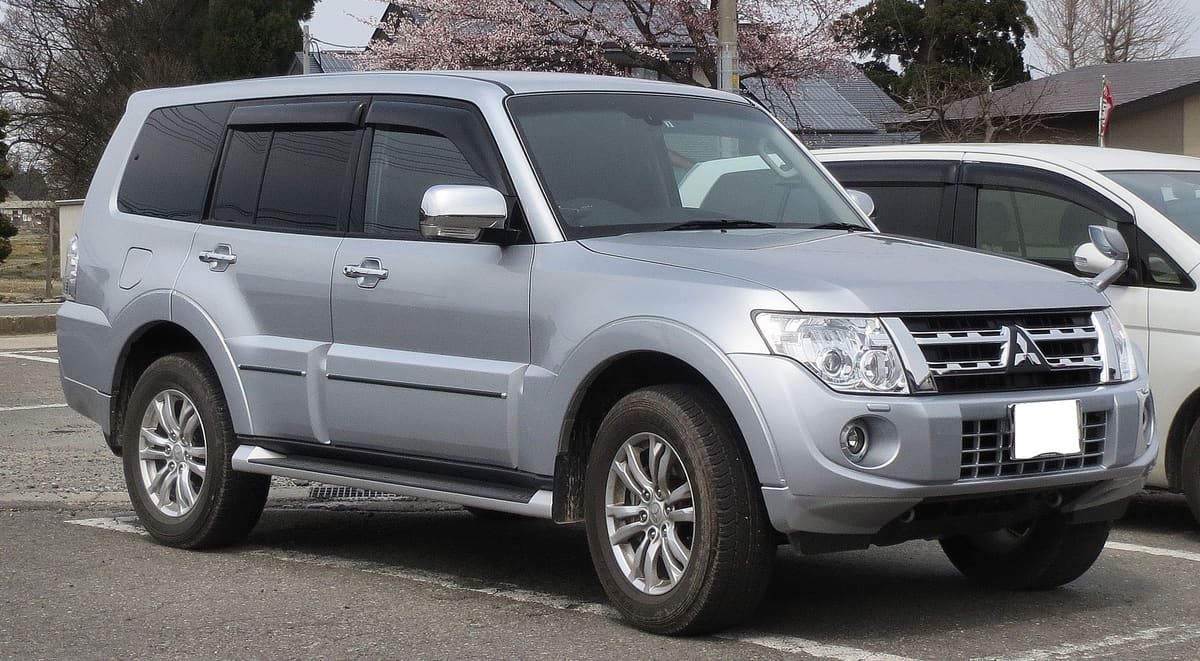
The Mitsubishi Shogun is a robust and reliable SUV, but like any vehicle, it can experience issues over time. Common problems include electrical faults, suspension wear, and engine performance issues. Fortunately, many of these can be addressed with practical fixes that enhance the vehicle’s longevity and performance.
Electrical Faults
One of the most frequently reported issues with the Mitsubishi Shogun involves electrical faults, particularly with the central locking system and dashboard warning lights. Owners often find that the central locking fails to operate correctly, which can be frustrating.
To fix central locking issues, start by checking the fuses related to the locking system. If the fuses are intact, inspect the wiring for any signs of wear or corrosion. Sometimes, a simple reset of the system by disconnecting the battery for a few minutes can resolve minor glitches. If problems persist, consider consulting a professional to diagnose potential issues with the control module.
Dashboard warning lights can indicate various problems, from minor sensor issues to more significant engine concerns. A diagnostic scan can pinpoint the exact issue, allowing for targeted repairs. Regularly updating the vehicle’s software may also help in resolving electrical glitches.
Suspension Wear
Suspension wear is a common concern for Shogun owners, especially those who frequently drive on rough terrain. Symptoms of suspension issues include a bumpy ride, uneven tyre wear, and excessive body roll during cornering.
To address suspension wear, start by inspecting the shock absorbers and struts for leaks or damage. Replacing worn components can significantly improve ride quality and handling. Additionally, check the suspension bushes for wear; replacing these can help restore the vehicle’s stability.
Regular maintenance, including wheel alignment and balancing, can prevent premature suspension wear. If you notice any unusual noises or handling characteristics, have the suspension system inspected by a qualified technician to ensure safe driving conditions.
Engine Performance Issues
Some Shogun owners report engine performance issues, including rough idling, reduced power, and poor fuel economy. These problems can stem from various sources, such as fuel system blockages or ignition system failures.
Start by checking the air filter and fuel filter. A clogged air filter can restrict airflow, leading to poor engine performance, while a dirty fuel filter can affect fuel delivery. Replacing these filters regularly can prevent many performance issues.
If the engine continues to run poorly, inspect the spark plugs and ignition coils. Worn or faulty components can lead to misfires and reduced efficiency. Replacing spark plugs at the manufacturer-recommended intervals can help maintain optimal engine performance.
Transmission Problems
Transmission issues are another concern for Shogun owners, particularly with automatic models. Common symptoms include slipping gears, delayed engagement, and unusual noises during shifting.
To address transmission problems, start by checking the transmission fluid level and condition. Low or dirty fluid can lead to shifting issues. If the fluid is low, top it up with the recommended type, and consider a fluid change if it appears discoloured or contaminated.
If problems persist after addressing the fluid, it may be necessary to have the transmission inspected by a professional. They can diagnose issues such as worn clutches or damaged solenoids, which may require more extensive repairs.
Brake System Maintenance
The brake system is crucial for safety, and Shogun owners often report issues such as squeaking brakes, reduced stopping power, or a spongy brake pedal. Regular maintenance is essential to ensure the braking system functions correctly.
Start by inspecting the brake pads and discs for wear. Worn pads should be replaced promptly to prevent damage to the discs. If you notice any unusual noises when braking, it may indicate that the pads are worn down to the metal, requiring immediate attention.
Additionally, check the brake fluid level and condition. Old or contaminated brake fluid can affect braking performance. Flushing the brake fluid every couple of years can help maintain the system’s effectiveness and prevent moisture buildup, which can lead to corrosion.
Tyre and Wheel Care
Tyre and wheel issues can significantly impact the performance and safety of your Mitsubishi Shogun. Common problems include uneven tyre wear, low tread depth, and alignment issues, which can lead to poor handling and increased fuel consumption.
Regularly check tyre pressure and tread depth to ensure they are within the recommended limits. Under-inflated tyres can wear unevenly and affect fuel efficiency. Rotate the tyres regularly to promote even wear and extend their lifespan.
If you notice that the vehicle pulls to one side or the steering feels off, it may be time for a wheel alignment. Misalignment can lead to premature tyre wear and affect handling. Having your alignment checked during regular servicing can help prevent these issues.
By addressing these common issues proactively, Mitsubishi Shogun owners can enjoy a reliable and enjoyable driving experience. Regular maintenance and timely repairs are key to keeping your vehicle in top condition, ensuring it serves you well for years to come.
Mitsubishi Shogun recall record
12 recalls have been issued for the Mitsubishi Shogun, between 2000 and 2020.
THE RIGHT FRONT LOWER ARM ASSEMBLY COULD BE BROKEN DUE TO IMPROPER WELDING
R/2020/147Issued 20 November 2020
The right front lower arm assembly could be broken due to improper welding by the supplier.
Remedy:The right front lower arm will be replaced
Affects cars built Oct 2016 to Feb 2018
PROPELLANT IN THE DRIVER AND PASSENGER SIDE AIRBAG INFLATORS MAY HAVE DETERIORATED
R/2017/275Issued 30 October 2017
The propellant (ammonium nitrate) in the inflator of the drivers and passengers front airbag inflator may deteriorate due to high temperature and humid conditions over a longer period in use. As a result the inflator body may rupture during airbag deployment in the event of an accident where the airbags are required to be deployed. The inflator body may rupture during airbag deployment with the potential to cause injury.
Remedy:Replacement of the driver and passenger front airbag inflators.
Affects cars built Sept 2006 to Jun 2012
ENGINE MAY STALL
R/2015/003Issued 11 February 2015
Due to a fault in the engine ECU software it is possible that the 4M41 engines in the Shogun will not learn the variations or age deterioration in injectors and be able to adjust the amount of fuel being injection accordingly. This inability to learn these values correctly can result in the engine emits an excessive amount of soot to the DPF which can block it. This can result in the engine stalling and not being able to restart.
Remedy:Recall all affected vehicles and reprogramme engine ECU software.
Affects cars built Oct 2011 to Dec 2013
ENGINE MAY STALL
R/2015/004Issued 11 February 2015
Due to a high carbon build up the check ball seat of the timing chain tensioner can show premature wear. It is possible that the check ball may stick to the seat preventing the tensioner from functioning properly. This in turn will result in an un-tensioned timing chain which causes a rattling noise and in the worst cases the chain will break.
Remedy:Replace tensioner on all affected vehicles. Depending on outcome of further inspections the timing chain may also need to be replaced.
Affects cars built Oct 2006 to Mar 2014
8 older recalls not shown.
A recall applies to a build range, not to every car of this model. Check a registration to see whether one specific vehicle has an outstanding recall.
Mitsubishi Shogun MOT record
From 27,709 recorded MOT tests, 27.4% failed.
| Registered | Tests | Failed | Median mileage |
|---|---|---|---|
| 2021 | 1,191 | 10.5% | 41,287 mi |
| 2020 | 671 | 14.5% | 44,083 mi |
| 2019 | 725 | 16.1% | 52,507 mi |
| 2018 | 1,123 | 16.1% | 55,358 mi |
| 2017 | 1,152 | 16.2% | 60,426 mi |
| 2016 | 1,523 | 18.6% | 67,356 mi |
| 2015 | 1,820 | 18.9% | 73,365 mi |
| 2014 | 1,532 | 21.9% | 86,422 mi |
Most common reasons for failure
- A suspension pin, bush or joint excessively worn33.2%
- Brake pipe damaged or excessively corroded18.7%
- The strength or continuity of the load bearing structure within 30cm of any sub-frame, spring or suspension component mounting (a 'prescribed area') is significantly reduced or inadequately repaired17.7%
- Tyre tread depth not in accordance with the requirements17.4%
- Vehicle structure corroded to the extent that the rigidity of the assembly is seriously reduced13.0%
Figures cover every Mitsubishi Shogun tested in the DVSA dataset, not this specific car. Check a registration for the actual history of one vehicle.
Frequently asked questions
What are common issues with the Mitsubishi Shogun?
Common issues with the Mitsubishi Shogun include electrical faults, suspension problems, and engine performance issues. Regular maintenance can help prevent these problems.
How can I tell if my Shogun needs repairs?
Signs that your Shogun may need repairs include unusual noises, warning lights on the dashboard, and a decrease in performance. If you notice any of these, it's best to have it checked by a professional.
Where can I find Mitsubishi Shogun repair specialists?
You can find Mitsubishi Shogun repair specialists at authorised dealerships or independent garages that specialise in 4x4 vehicles. Online reviews and recommendations can help you choose a reliable service.
How much does it cost to repair a Mitsubishi Shogun?
Repair costs for a Mitsubishi Shogun can vary widely depending on the issue and the garage. It's advisable to get a quote from a few different places to compare prices.
Are parts for the Mitsubishi Shogun easy to find?
Yes, parts for the Mitsubishi Shogun are generally easy to find, both from dealerships and online retailers. However, availability may vary based on the model year.
What should I do if my Shogun is under warranty?
If your Shogun is under warranty, you should take it to an authorised Mitsubishi dealer for repairs. This ensures that any work done will be covered by the warranty.
How often should I service my Mitsubishi Shogun?
It is recommended to service your Mitsubishi Shogun every 12 months or every 12,000 miles, whichever comes first. Regular servicing helps maintain performance and reliability.
Can I perform basic maintenance on my Shogun myself?
Yes, you can perform basic maintenance tasks like checking oil levels, replacing air filters, and changing wiper blades yourself. However, more complex repairs should be left to professionals.
Sources
- DVSA anonymised MOT tests and results (Open Government Licence v3.0)
- DVSA vehicle safety recalls (Open Government Licence v3.0)