Running costs
Skoda Karoq running costs: what UK ownership really costs
Skoda Karoq UK running costs: fuel or electric, insurance group, road tax, servicing and depreciation.
Updated 17th September 2026 DVSA data: Across 60,318 recorded MOT tests, 9.1% failed.
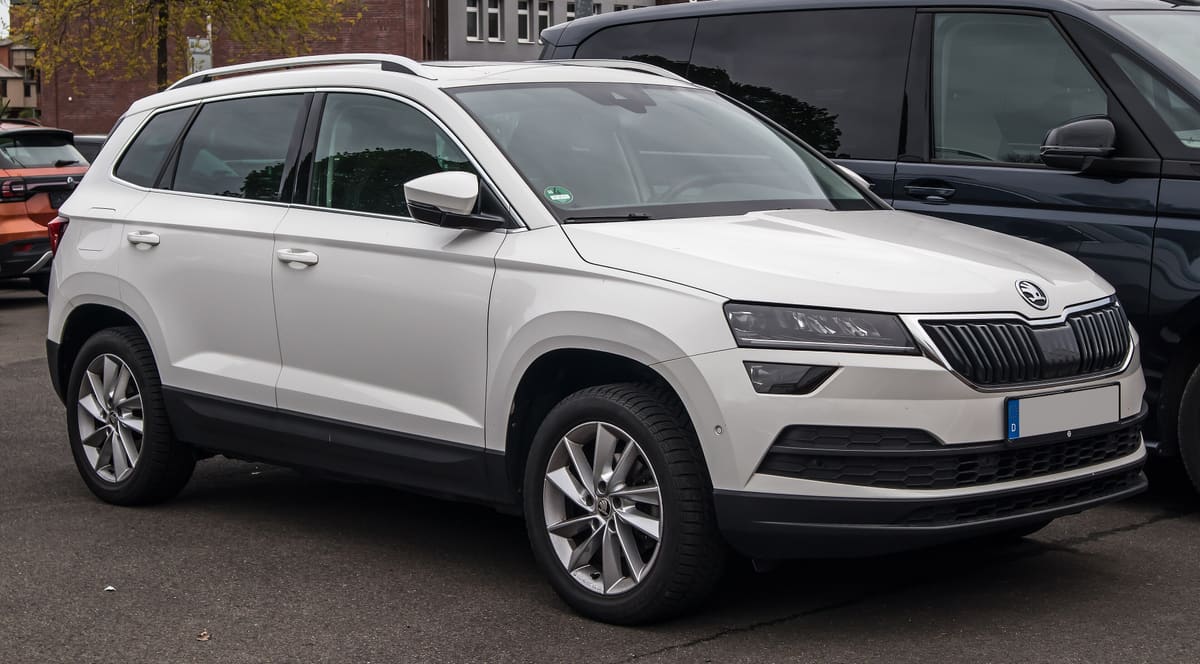
The Skoda Karoq’s running costs are influenced by its fuel efficiency, insurance group, road tax band, servicing requirements, and depreciation. Its moderate emissions keep tax manageable, while insurance depends on trim and engine size. Servicing is straightforward but should be done on schedule, and the Karoq generally retains value well, reflecting its practicality and brand reputation.
How Vehicle Tax Impacts the Skoda Karoq’s Running Costs
Vehicle tax for the Skoda Karoq is primarily determined by its CO2 emissions and fuel type. Petrol and diesel variants are taxed differently, with diesel models often subject to higher rates unless they meet stringent emissions standards. The government’s vehicle tax system is designed to encourage lower emissions, so choosing a Karoq with a smaller engine or a petrol variant can reduce annual tax bills.
The exact tax band depends on the specific engine and trim level, which affect emissions. Buyers should consult the official government vehicle tax tables to see how their chosen Karoq is classified. Additionally, first-year tax rates can be higher for more polluting models, so this is a consideration when purchasing new or nearly new.
Road tax is payable annually, and the cost can be a significant part of the total cost of ownership over several years. The Karoq’s emissions are generally moderate for its class, helping to keep tax costs reasonable compared to larger SUVs or older diesel vehicles.
Insurance Group and Its Effect on Running Costs
Insurance premiums for the Skoda Karoq vary according to its assigned insurance group, which reflects factors such as engine size, repair costs, safety features, and theft risk. Higher trim levels with more powerful engines or expensive equipment typically fall into higher groups, increasing insurance costs.
The Karoq’s safety features, such as multiple airbags, stability control, and driver assistance systems, can help reduce insurance premiums by lowering the risk of injury and accident severity. However, the vehicle’s popularity and repair costs also influence premiums. Parts availability and repair complexity can push insurance groups up if the car is costly to fix after damage.
Prospective owners should obtain insurance quotes based on their location, driving history, and the exact Karoq variant they intend to buy. Comparing quotes from multiple providers will provide a clearer picture of expected insurance costs, which can vary widely.
Servicing Demands and Maintenance Costs
The Skoda Karoq’s servicing schedule is designed to be straightforward, with intervals that balance maintenance needs and cost efficiency. Regular oil changes, filter replacements, and inspections are essential to keep the engine and mechanical components running smoothly.
Servicing costs depend on the type of engine. petrol or diesel. and whether the vehicle is under warranty or covered by a service plan. Diesel engines may require additional maintenance such as diesel particulate filter cleaning. The availability of parts and the simplicity of the Karoq’s mechanical layout generally keep servicing affordable compared to more complex or premium SUVs.
Routine maintenance also includes brake checks, tyre condition assessments, and fluid top-ups. Following the manufacturer’s recommended service intervals helps prevent costly repairs and maintains the vehicle’s reliability and resale value.
Fuel Economy and Its Role in Running Costs
Fuel consumption is a major factor in the Skoda Karoq’s running costs. The vehicle’s efficiency depends on engine size, transmission type, and driving conditions. Smaller engines and manual gearboxes often deliver better fuel economy, reducing the amount spent at the pump.
Driving style and route choices also influence fuel use. Urban stop-start traffic tends to increase consumption, while steady motorway driving is generally more economical. The Karoq’s weight and aerodynamics play a role but are typical for a compact SUV, so fuel costs are broadly in line with competitors.
Owners should check the specific fuel economy figures for the trim they are considering, as these vary. Choosing the right engine and transmission combination for their driving needs can optimise fuel costs over the vehicle’s life.
Depreciation and Residual Value
The Skoda Karoq tends to hold its value relatively well within its segment, thanks to the brand’s reputation for reliability and practicality. Depreciation is influenced by factors such as mileage, condition, service history, and market demand for compact SUVs.
Trim level and optional equipment also affect resale value. Well-equipped models with popular features may retain value better, while base versions might depreciate faster. Keeping the vehicle in good condition and maintaining a full service record supports stronger resale prices.
Market trends for SUVs and the availability of newer models impact depreciation rates. The Karoq’s balance of size, comfort, and efficiency helps it remain competitive in the used car market, which benefits owners looking to minimise the total cost of ownership.
Summary of Key Running Cost Drivers
The Skoda Karoq’s running costs are shaped by a combination of taxation, insurance, servicing, fuel use, and depreciation. Its moderate emissions help keep vehicle tax manageable, while insurance costs vary with model specification and driver profile. Routine servicing is straightforward, supporting long-term reliability, and fuel economy depends on engine choice and driving habits. The vehicle’s residual values reflect its strong appeal in the compact SUV segment, making it a sensible choice for those mindful of ongoing expenses.
Skoda Karoq recall record
6 recalls have been issued for the Skoda Karoq, between 2018 and 2019.
TOO LITTLE TORQUE MAY BE PROVIDED BY THE ENGINE AT LOW ENGINE SPEEDS
R/2019/303Issued 5 September 2019
Too little torque may be provided by the engine at low engine speeds.
Remedy:On the affected vehicles the software of the engine control unit must be updated.
Affects cars built Oct 2018 to Jun 2019
POSSIBLE CRACK ON THE FRAME OF THE LEFT FRONT SEAT
R/2019/214Issued 9 July 2019
There is a possibility that due to a fault in the production process there is a crack on the frame of the left front seat.
Remedy:Check and replace the seat frame if a crack is found.
Affects cars built Feb 2019 to Feb 2019
POSSIBLE DISCREPANCY IN THE MANUFACTURING PROCESS OF THE CENTRE REAR SEAT HEAD RESTRAINT
R/2019/079Issued 6 March 2019
The centre rear head restraint may not be to specification.
Remedy:Check the head restraint and replace if necessary.
Affects cars built Apr 2018 to Jun 2018
A WELDED CONNECTION OF THE REAR SEAT BENCH MAY NOT HAVE BEEN CORRECTLY PERFORMED
R/2018/357Issued 14 December 2018
The rear back rest head restraint mounting is not correctly welded.
Remedy:Check and replace rear back rest frame if required.
Affects cars built May 2018 to Aug 2018
2 older recalls not shown.
A recall applies to a build range, not to every car of this model. Check a registration to see whether one specific vehicle has an outstanding recall.
Skoda Karoq MOT record
From 60,318 recorded MOT tests, 9.1% failed.
| Registered | Tests | Failed | Median mileage |
|---|---|---|---|
| 2023 | 649 | 5.5% | 20,021 mi |
| 2022 | 8,534 | 6.2% | 23,768 mi |
| 2021 | 10,927 | 9.2% | 31,809 mi |
| 2020 | 12,188 | 10.3% | 37,821 mi |
| 2019 | 14,265 | 10.0% | 45,785 mi |
| 2018 | 13,755 | 9.1% | 51,869 mi |
Most common reasons for failure
- A tyre seriously damaged29.6%
- Tyre tread depth not in accordance with the requirements22.1%
- A shock absorber damaged to the extent that it does not function or showing signs of severe leakage21.4%
- a brake lining or pad worn below 1.5mm17.9%
- A suspension pin, bush or joint excessively worn9.0%
Figures cover every Skoda Karoq tested in the DVSA dataset, not this specific car. Check a registration for the actual history of one vehicle.
Skoda Karoq official figures
Median across 22 variants on sale, diesel, petrol.
- Combined economy
- 46.5 mpg
- WLTP median across variants
- CO2 emissions
- 142.5 g/km
- Sets the first-year tax rate
Official figures for new cars. Real economy varies with driving, load and conditions.
Frequently asked questions
What should I expect in terms of fuel costs for the Skoda Karoq?
Fuel costs depend on your driving style and the engine variant you choose. Diesel versions typically have a different consumption pattern compared to petrol models. Checking the fuel consumption figures for your specific trim will give you a clearer idea.
How often does the Skoda Karoq need servicing and what does it involve?
Skoda recommends servicing the Karoq roughly every 12 months or 10,000 miles. A typical service includes an oil and filter change, brake fluid check, and inspection of the air filter and tyres. The service schedule can vary depending on your driving conditions.
Are there any particular parts on the Skoda Karoq that are expensive to replace?
The dual-mass flywheel in diesel models can be costly if it fails, often indicated by vibrations or rattling noises when changing gears. Also, replacing the timing belt is a significant maintenance job that should be done at intervals specified in the handbook.
What should I look out for to avoid costly repairs on the Skoda Karoq?
Keep an eye on the engine warning light, especially if it comes on alongside rough idling or loss of power. Regularly checking the condition of the brake pads and discs can prevent more expensive replacements later. Early attention to these signs can save money.
Does the Skoda Karoq have any known issues with its electrical system that affect running costs?
Some owners report problems with the infotainment system or sensors like the tyre pressure monitoring system. These issues might trigger warning lights or require software updates at the garage, which can add to maintenance visits.
How does insurance impact the running costs of a Skoda Karoq?
Insurance premiums vary depending on your location, driving history, and chosen trim. Models with advanced safety features like automatic emergency braking might benefit from lower premiums. It is worth comparing quotes to find the best deal.
Are tyres on the Skoda Karoq expensive to replace or maintain?
The Karoq uses standard SUV tyres, but sizes can differ by trim. Regularly checking tyre tread depth and pressure helps maintain fuel efficiency and safety. Replacing all four tyres at once is recommended to ensure balanced handling.
What impact does the Skoda Karoq’s warranty have on running costs?
The manufacturer’s warranty covers certain repairs and parts for a set period, reducing unexpected expenses. It typically includes coverage for the engine, transmission, and electrical components, but routine maintenance like brake pads or tyres remains your responsibility.
Sources
- DVSA anonymised MOT tests and results (Open Government Licence v3.0)
- VCA new car fuel consumption and emissions data (Open Government Licence v3.0)
- DVSA vehicle safety recalls (Open Government Licence v3.0)