Buying guide
Buying a used Subaru Forester: what to check before you pay
A complete used-buyer checklist for the Subaru Forester. Engine, gearbox, electrics, paperwork.
Updated 23rd June 2026 DVSA data: Across 14,668 recorded MOT tests, 23.7% failed.
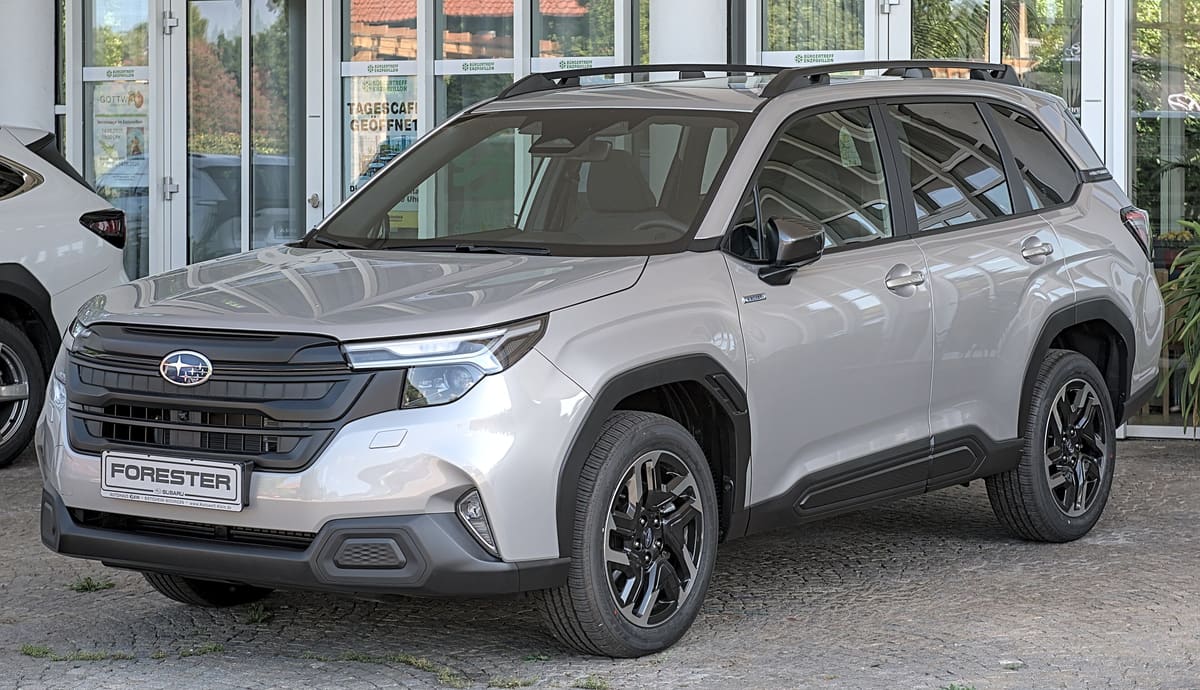
The Subaru Forester is a versatile SUV known for its reliability and off-road capability. Before purchasing a used model, it is essential to assess its condition, history, and suitability for your needs.
Understanding the Subaru Forester Range
The Subaru Forester has evolved through multiple generations since its introduction in the UK. Familiarising yourself with the different models, features, and specifications can help you identify the best option for your requirements.
The early models, such as the 1997-2002 first generation, are compact and practical, while the later generations offer more advanced technology and improved comfort. The third generation (2008-2012) introduced a more spacious interior and better fuel efficiency. The latest models boast enhanced safety features and refined driving dynamics, making them more appealing to families and adventure seekers alike.
Checking the Vehicle History
Before committing to a purchase, it is crucial to check the vehicle’s history. This includes verifying its MOT status, service records, and any previous accidents or damage.
Using the DVSA MOT data, you can check the vehicle’s past MOT results, which can reveal any recurring issues or advisories. Additionally, obtaining a full service history can indicate how well the car has been maintained. Look for evidence of regular oil changes, brake replacements, and other essential services. A well-documented history can provide peace of mind and help you avoid potential pitfalls.
Inspecting the Exterior and Interior Condition
A thorough inspection of the vehicle’s exterior and interior is essential to assess its overall condition. Look for signs of rust, dents, or scratches on the bodywork, as these can indicate neglect or previous accidents.
Pay attention to the condition of the paintwork, as mismatched colours may suggest repairs. Check the tyres for tread depth and uneven wear, which can signal alignment issues. Inside, examine the upholstery for wear and tear, and ensure that all electronic features, such as air conditioning and infotainment systems, are functioning correctly.
Evaluating the Engine and Mechanical Components
The engine is the heart of any vehicle, and the Subaru Forester is no exception. When evaluating a used model, listen for any unusual noises during a test drive, such as knocking or excessive vibration.
Check the oil level and quality; dark or gritty oil may indicate neglect. Additionally, inspect the coolant level and look for any leaks around the engine bay. The Forester is known for its all-wheel-drive system, so ensure that it engages smoothly and that there are no warning lights on the dashboard.
Test Driving the Subaru Forester
A test drive is an essential part of the buying process, as it allows you to assess the vehicle’s performance and comfort. During the drive, pay attention to how the car handles various road conditions, including bumps and corners.
The Forester is designed for both on-road and off-road capabilities, so test it on different surfaces if possible. Evaluate the visibility from the driver’s seat, as the Forester is known for its excellent sightlines. Additionally, check the noise levels inside the cabin, as some models may be quieter than others.
Understanding Common Issues and Reliability
While the Subaru Forester is generally regarded as a reliable vehicle, it is essential to be aware of common issues that may arise.
When inspecting a used Forester, look for signs of oil leaks or overheating, as these can indicate potential head gasket issues. Additionally, ensure that the automatic transmission shifts smoothly, as any hesitation or slipping may require costly repairs.
Considering Running Costs and Insurance
Before purchasing a used Subaru Forester, it is vital to consider the running costs and insurance premiums. The Forester’s fuel efficiency varies by model and engine type, so research the specific variant you are considering.
Insurance costs can also differ significantly based on the model year and trim level. Obtaining quotes from multiple insurance providers can help you find the best deal. Additionally, factor in maintenance costs, as genuine Subaru parts can be more expensive than generic alternatives.
By taking the time to research and assess these factors, you can decide with confidence when purchasing a used Subaru Forester.
Subaru Forester recall record
12 recalls have been issued for the Subaru Forester, between 2012 and 2022.
THE IMPELLER DEFORMATION MAY CAUSE THE FUEL PUMP TO BECOME INOPERATIVE
R/2022/266Issued 19 September 2022
The fuel pump impeller may cause the pump failure resulting in stalling of the vehicle.
Remedy:Replace the fuel pump assembly.
Affects cars built Nov 2020 to Jun 2021
POTENTIAL FAILURE OF THE IGNITION COIL MODULE CAUSING ENGINE STALL AND A NONE START CONDITION
R/2021/353Issued 1 November 2021
Ignition coils may short circuit and fail.�
Remedy:Replace all ignition coils. If a misfire DTC is stored replace the front exhaust pipe.�
Affects cars built Sept 2016 to Oct 2019
THE BOLTS OF THE REAR STABILISER BRACKET MIGHT BECOME LOOSE
R/2021/352Issued 1 November 2021
The bolts on the rear stabilizer bracket might become loose.�
Remedy:Inspect the bolts and tighten them to the�specified��torque.�If the bolt(s) are missing new bolts will be�attached.�
Affects cars built Apr 2017 to May 2019
DUE TO IMPROPER ECM PROGRAMMING UNDER CERTAIN CIRCUMSTANCES THE IGNITION COIL MAY BE ENERGIZED LONGER THAN DESIGNED AFTER THE ENGINE IS OFF
R/2020/316Issued 15 November 2020
Possible engine stall and restart failure.
Remedy:Re-programme the engine control module and replace if required the ignition coil.
Affects cars built Sept 2016 to Oct 2019
8 older recalls not shown.
A recall applies to a build range, not to every car of this model. Check a registration to see whether one specific vehicle has an outstanding recall.
Subaru Forester MOT record
From 14,668 recorded MOT tests, 23.7% failed.
| Registered | Tests | Failed | Median mileage |
|---|---|---|---|
| 2022 | 261 | 5.0% | 24,852 mi |
| 2021 | 724 | 9.0% | 33,703 mi |
| 2020 | 226 | 8.8% | 38,072 mi |
| 2019 | 1,092 | 8.1% | 40,947 mi |
| 2018 | 914 | 14.0% | 50,636 mi |
| 2017 | 895 | 17.6% | 60,440 mi |
| 2016 | 1,172 | 22.4% | 69,659 mi |
| 2015 | 974 | 23.2% | 77,894 mi |
Most common reasons for failure
- A suspension pin, bush or joint excessively worn46.1%
- Tyre tread depth not in accordance with the requirements17.9%
- A tyre seriously damaged13.1%
- A suspension component excessively damaged or corroded12.7%
- a brake lining or pad worn below 1.5mm10.2%
Figures cover every Subaru Forester tested in the DVSA dataset, not this specific car. Check a registration for the actual history of one vehicle.
Subaru Forester official figures
Median across 3 variants on sale, petrol electric.
- Combined economy
- 34.9 mpg
- WLTP median across variants
- CO2 emissions
- 183 g/km
- Sets the first-year tax rate
Official figures for new cars. Real economy varies with driving, load and conditions.
Frequently asked questions
What should I look for when buying a used Subaru Forester?
Check the service history for regular maintenance, inspect for any signs of rust, and ensure the tyres and brakes are in good condition. It's also wise to take it for a test drive to assess its performance.
Are Subaru Foresters reliable vehicles?
Yes, Subaru Foresters are generally known for their reliability and durability. Many owners report that they can handle various driving conditions well, making them a popular choice.
What is the fuel economy like for the Subaru Forester?
Fuel economy can vary depending on the model year and engine type, but generally, the Subaru Forester offers decent fuel efficiency for an SUV. It's advisable to check specific figures for the model you are considering.
How does the Subaru Forester perform in winter conditions?
The Subaru Forester is equipped with all-wheel drive, which enhances its traction and stability in winter conditions. This makes it a suitable choice for driving in snow and icy roads.
What are the common issues with older Subaru Foresters?
Some common issues reported with older models include head gasket failures and oil leaks. It's important to have a thorough inspection done before purchasing to identify any potential problems.
Is the Subaru Forester good for families?
Yes, the Subaru Forester is spacious and offers plenty of room for families, including ample boot space for luggage. It also has a good safety rating, making it a practical choice for family use.
What trim levels are available for the Subaru Forester?
The Subaru Forester typically comes in several trim levels, each offering different features and equipment. It's best to research the specific trims available for the model year you are interested in.
How does the Subaru Forester compare to other SUVs?
The Subaru Forester stands out for its all-wheel drive capability and spacious interior. While it may not have the same sporty performance as some competitors, it excels in practicality and reliability.
Sources
- DVSA anonymised MOT tests and results (Open Government Licence v3.0)
- VCA new car fuel consumption and emissions data (Open Government Licence v3.0)
- DVSA vehicle safety recalls (Open Government Licence v3.0)