Common problems
Subaru Forester common problems and reliability issues
Honest rundown of the most common Subaru Forester faults, what to watch for, and how to keep one running well.
Updated 23rd June 2026 DVSA data: Across 14,668 recorded MOT tests, 23.7% failed.
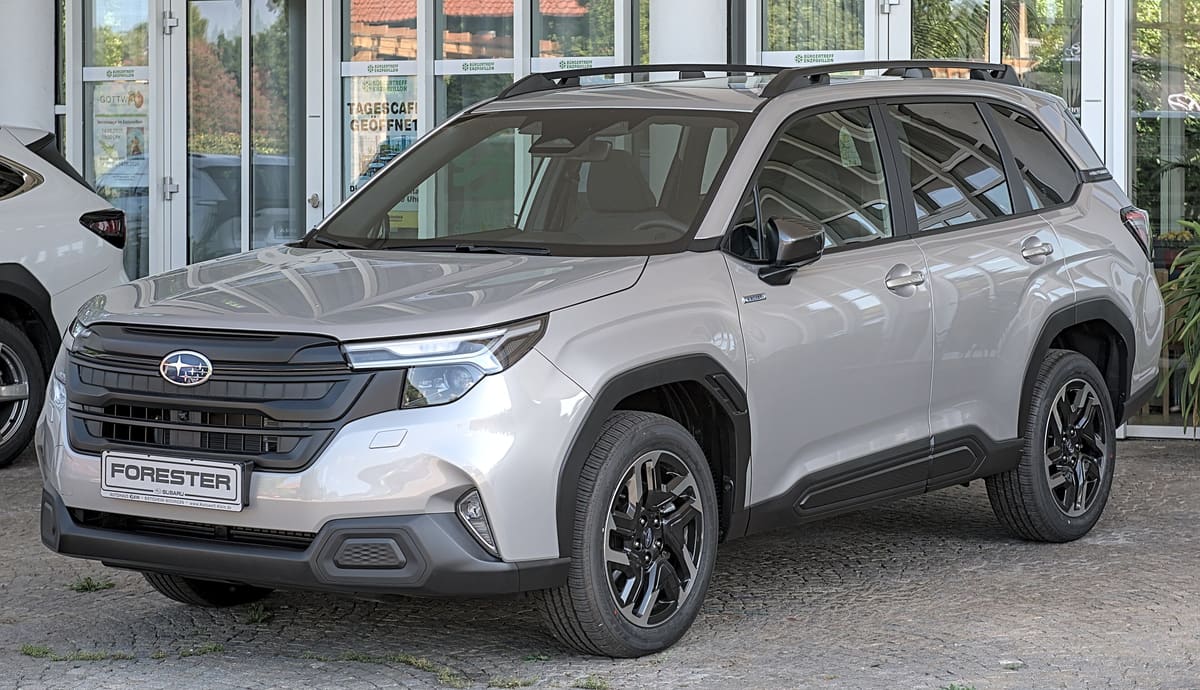
The Subaru Forester is generally regarded as a reliable vehicle, but like any car, it has its share of common problems. Owners may encounter issues related to the engine, transmission, suspension, electrical system, and interior features.
Engine Issues
One of the most frequently reported problems with the Subaru Forester involves its engine. Some owners have experienced excessive oil consumption, particularly in models with the 2.5-litre engine. This can lead to engine wear and, in severe cases, engine failure if not addressed promptly.
Additionally, the timing belt can be a concern, especially in older models. If the timing belt is not replaced at the recommended intervals, it may snap, resulting in significant engine damage. Regular maintenance and checks can help mitigate these risks.
Transmission Problems
Transmission issues are another common complaint among Subaru Forester owners. Some models, particularly those with the continuously variable transmission (CVT), have been reported to experience shuddering or slipping during acceleration. This can affect the overall driving experience and may require costly repairs.
Moreover, the transmission fluid should be changed regularly to ensure optimal performance. Neglecting this maintenance can lead to premature wear and tear on the transmission components, potentially resulting in more severe issues down the line.
Suspension and Steering Concerns
The suspension system in the Subaru Forester is generally robust, but some drivers have reported problems with the struts and shocks. Over time, these components can wear out, leading to a rougher ride and decreased handling performance. If you notice excessive bouncing or a decrease in ride comfort, it may be time to inspect the suspension system.
Steering issues can also arise, particularly with the power steering system. Some owners have experienced a loss of power steering assistance, making the vehicle harder to manoeuvre. Regular checks and maintenance of the steering system can help identify potential issues before they escalate.
Electrical System Faults
Electrical problems are not uncommon in the Subaru Forester, with issues often reported in the battery and alternator. A failing alternator can lead to battery drain, causing starting issues and electrical malfunctions. It is advisable to have the electrical system checked regularly, especially if you notice dimming lights or warning lights on the dashboard.
Furthermore, some owners have reported problems with the infotainment system, including software glitches and connectivity issues. Keeping the system updated and ensuring that all connections are secure can help alleviate some of these concerns.
Interior and Comfort Features
While the Subaru Forester is known for its practicality and comfort, some owners have encountered issues with interior features. Problems with the air conditioning system, such as weak airflow or failure to cool, can be frustrating, especially during warmer months. Regular servicing of the air conditioning system can help maintain its efficiency.
Additionally, wear and tear on upholstery and interior trim can occur over time. Some owners have reported issues with the quality of materials used, leading to premature wear. Taking care of the interior and using protective covers can help prolong the life of these features.
Brake System Concerns
The brake system in the Subaru Forester is generally reliable, but some common issues have been reported. Brake pads and rotors may wear out faster than expected, particularly if the vehicle is frequently driven in stop-and-go traffic or under heavy loads. Regular inspections and timely replacements can help ensure optimal braking performance.
Moreover, some drivers have noted that the brake warning light may illuminate even when the brakes are functioning correctly. This could be due to a faulty sensor or electrical issue. It is important to have any warning lights checked by a professional to avoid potential safety hazards.
Understanding these common problems can help Subaru Forester owners maintain their vehicles effectively. Regular maintenance and prompt attention to any issues can enhance the longevity and reliability of this versatile SUV.
Subaru Forester recall record
12 recalls have been issued for the Subaru Forester, between 2012 and 2022.
THE IMPELLER DEFORMATION MAY CAUSE THE FUEL PUMP TO BECOME INOPERATIVE
R/2022/266Issued 19 September 2022
The fuel pump impeller may cause the pump failure resulting in stalling of the vehicle.
Remedy:Replace the fuel pump assembly.
Affects cars built Nov 2020 to Jun 2021
POTENTIAL FAILURE OF THE IGNITION COIL MODULE CAUSING ENGINE STALL AND A NONE START CONDITION
R/2021/353Issued 1 November 2021
Ignition coils may short circuit and fail.�
Remedy:Replace all ignition coils. If a misfire DTC is stored replace the front exhaust pipe.�
Affects cars built Sept 2016 to Oct 2019
THE BOLTS OF THE REAR STABILISER BRACKET MIGHT BECOME LOOSE
R/2021/352Issued 1 November 2021
The bolts on the rear stabilizer bracket might become loose.�
Remedy:Inspect the bolts and tighten them to the�specified��torque.�If the bolt(s) are missing new bolts will be�attached.�
Affects cars built Apr 2017 to May 2019
DUE TO IMPROPER ECM PROGRAMMING UNDER CERTAIN CIRCUMSTANCES THE IGNITION COIL MAY BE ENERGIZED LONGER THAN DESIGNED AFTER THE ENGINE IS OFF
R/2020/316Issued 15 November 2020
Possible engine stall and restart failure.
Remedy:Re-programme the engine control module and replace if required the ignition coil.
Affects cars built Sept 2016 to Oct 2019
8 older recalls not shown.
A recall applies to a build range, not to every car of this model. Check a registration to see whether one specific vehicle has an outstanding recall.
Subaru Forester MOT record
From 14,668 recorded MOT tests, 23.7% failed.
| Registered | Tests | Failed | Median mileage |
|---|---|---|---|
| 2022 | 261 | 5.0% | 24,852 mi |
| 2021 | 724 | 9.0% | 33,703 mi |
| 2020 | 226 | 8.8% | 38,072 mi |
| 2019 | 1,092 | 8.1% | 40,947 mi |
| 2018 | 914 | 14.0% | 50,636 mi |
| 2017 | 895 | 17.6% | 60,440 mi |
| 2016 | 1,172 | 22.4% | 69,659 mi |
| 2015 | 974 | 23.2% | 77,894 mi |
Most common reasons for failure
- A suspension pin, bush or joint excessively worn46.1%
- Tyre tread depth not in accordance with the requirements17.9%
- A tyre seriously damaged13.1%
- A suspension component excessively damaged or corroded12.7%
- a brake lining or pad worn below 1.5mm10.2%
Figures cover every Subaru Forester tested in the DVSA dataset, not this specific car. Check a registration for the actual history of one vehicle.
Subaru Forester official figures
Median across 3 variants on sale, petrol electric.
- Combined economy
- 34.9 mpg
- WLTP median across variants
- CO2 emissions
- 183 g/km
- Sets the first-year tax rate
Official figures for new cars. Real economy varies with driving, load and conditions.
Frequently asked questions
What are the most common issues with the Subaru Forester?
Common issues include excessive oil consumption, head gasket failures, and problems with the CVT transmission. Regular maintenance can help mitigate some of these problems.
How reliable is the Subaru Forester?
The Subaru Forester is generally considered reliable, but like any vehicle, it can experience issues. It's important to check the service history and look for any recurring problems.
Are there any known electrical problems with the Subaru Forester?
Some owners have reported electrical issues, such as problems with the battery and alternator. It's advisable to have the electrical system checked if you notice any warning lights.
What should I look for when buying a used Subaru Forester?
Check for service records, signs of oil leaks, and the condition of the CVT transmission. A thorough inspection can help you avoid common pitfalls.
Is the Subaru Forester prone to rust?
While the Subaru Forester is generally well-built, some older models may show signs of rust, especially in areas exposed to road salt. Inspect the undercarriage and wheel arches for any signs of corrosion.
How can I prevent common problems with my Subaru Forester?
Regular servicing and timely oil changes can help prevent many common issues. Additionally, addressing any warning signs early can save you from more significant repairs down the line.
What are the signs of a failing CVT transmission in a Subaru Forester?
Signs of a failing CVT transmission include unusual noises, slipping, or delayed acceleration. If you experience these symptoms, it's best to have the transmission checked by a professional.
Sources
- DVSA anonymised MOT tests and results (Open Government Licence v3.0)
- VCA new car fuel consumption and emissions data (Open Government Licence v3.0)
- DVSA vehicle safety recalls (Open Government Licence v3.0)