MOT failure rates
Subaru Forester MOT failure rates: what to expect
What fails on a Subaru Forester at MOT, how often, and what each fix typically costs.
Updated 4th September 2026 DVSA data: Across 14,668 recorded MOT tests, 23.7% failed.
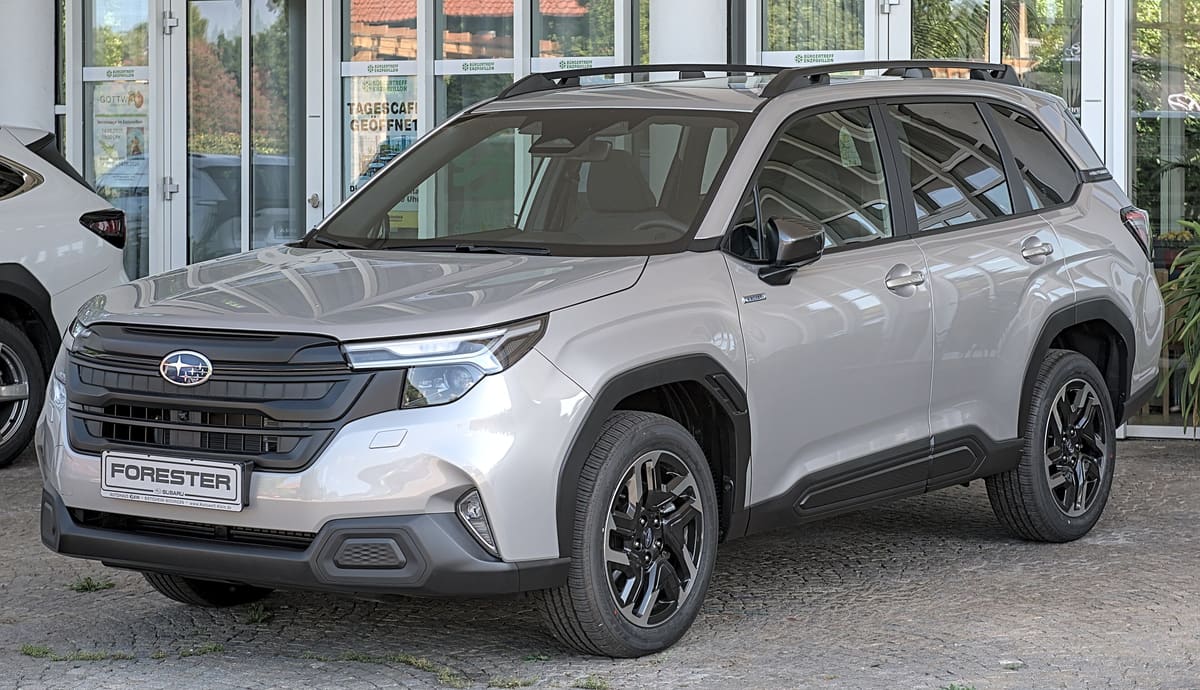
The Subaru Forester is a reliable vehicle, but like any car, it can encounter issues during its MOT. Common failures include suspension components, emissions systems, and lighting. Repair costs can vary, but understanding these common pitfalls can help you prepare for your next MOT.
Suspension Issues
One of the most frequent reasons for MOT failures in the Subaru Forester is suspension problems. Worn shock absorbers or damaged springs can lead to a failed test.
Suspension components are crucial for maintaining vehicle stability and comfort. If your Forester exhibits excessive bouncing, uneven tyre wear, or a harsh ride, it may be time to inspect the suspension system. Regular checks can help identify issues before they escalate, potentially saving you money in the long run.
Emissions Failures
Another common failure point for the Subaru Forester is the emissions system. This includes issues with the catalytic converter, exhaust leaks, or malfunctioning sensors.
Emissions testing is a critical part of the MOT, and failing this test can lead to significant costs. If your Forester is older, consider having the emissions system checked regularly to ensure it remains compliant with current regulations. This proactive approach can help avoid costly repairs and ensure your vehicle is environmentally friendly.
Lighting Problems
Lighting issues are a frequent cause of MOT failures across many vehicles, including the Subaru Forester. Common problems include burnt-out bulbs, misaligned headlights, or damaged lenses.
Proper lighting is essential for safe driving, particularly during nighttime or adverse weather conditions. Regularly inspecting your lights can prevent MOT failures and enhance your visibility on the road. If you notice dimming lights or flickering indicators, it is wise to address these issues promptly.
Brake System Failures
The brake system is another critical area where the Subaru Forester may experience MOT failures. Common issues include worn brake pads, damaged discs, or leaks in the brake lines.
Brakes are vital for safety, and any signs of wear should be addressed immediately. If you hear grinding noises or experience a spongy brake pedal, it is essential to have your brakes inspected. Regular maintenance can help ensure your braking system remains in top condition, reducing the likelihood of MOT failures.
Tyre Condition
Tyres are a crucial safety component and are often a reason for MOT failures in the Subaru Forester. Common issues include insufficient tread depth, uneven wear, or damage to the sidewalls.
Maintaining proper tyre condition is essential for safe driving and optimal fuel efficiency. Regularly checking tread depth and ensuring tyres are inflated to the correct pressure can help prevent MOT failures. If you notice any bulges or cuts in the tyre, it is advisable to replace them immediately.
Steering System Failures
Steering system problems can also lead to MOT failures in the Subaru Forester. Common issues include worn steering racks, loose components, or fluid leaks.
A well-functioning steering system is crucial for vehicle control and safety. If you experience difficulty steering, unusual noises, or a loose steering wheel, it is essential to have your steering system inspected. Regular maintenance can help identify potential issues early, ensuring a smoother driving experience and reducing the risk of MOT failures.
Subaru Forester recall record
12 recalls have been issued for the Subaru Forester, between 2012 and 2022.
THE IMPELLER DEFORMATION MAY CAUSE THE FUEL PUMP TO BECOME INOPERATIVE
R/2022/266Issued 19 September 2022
The fuel pump impeller may cause the pump failure resulting in stalling of the vehicle.
Remedy:Replace the fuel pump assembly.
Affects cars built Nov 2020 to Jun 2021
POTENTIAL FAILURE OF THE IGNITION COIL MODULE CAUSING ENGINE STALL AND A NONE START CONDITION
R/2021/353Issued 1 November 2021
Ignition coils may short circuit and fail.�
Remedy:Replace all ignition coils. If a misfire DTC is stored replace the front exhaust pipe.�
Affects cars built Sept 2016 to Oct 2019
THE BOLTS OF THE REAR STABILISER BRACKET MIGHT BECOME LOOSE
R/2021/352Issued 1 November 2021
The bolts on the rear stabilizer bracket might become loose.�
Remedy:Inspect the bolts and tighten them to the�specified��torque.�If the bolt(s) are missing new bolts will be�attached.�
Affects cars built Apr 2017 to May 2019
DUE TO IMPROPER ECM PROGRAMMING UNDER CERTAIN CIRCUMSTANCES THE IGNITION COIL MAY BE ENERGIZED LONGER THAN DESIGNED AFTER THE ENGINE IS OFF
R/2020/316Issued 15 November 2020
Possible engine stall and restart failure.
Remedy:Re-programme the engine control module and replace if required the ignition coil.
Affects cars built Sept 2016 to Oct 2019
8 older recalls not shown.
A recall applies to a build range, not to every car of this model. Check a registration to see whether one specific vehicle has an outstanding recall.
Subaru Forester MOT record
From 14,668 recorded MOT tests, 23.7% failed.
| Registered | Tests | Failed | Median mileage |
|---|---|---|---|
| 2022 | 261 | 5.0% | 24,852 mi |
| 2021 | 724 | 9.0% | 33,703 mi |
| 2020 | 226 | 8.8% | 38,072 mi |
| 2019 | 1,092 | 8.1% | 40,947 mi |
| 2018 | 914 | 14.0% | 50,636 mi |
| 2017 | 895 | 17.6% | 60,440 mi |
| 2016 | 1,172 | 22.4% | 69,659 mi |
| 2015 | 974 | 23.2% | 77,894 mi |
Most common reasons for failure
- A suspension pin, bush or joint excessively worn46.1%
- Tyre tread depth not in accordance with the requirements17.9%
- A tyre seriously damaged13.1%
- A suspension component excessively damaged or corroded12.7%
- a brake lining or pad worn below 1.5mm10.2%
Figures cover every Subaru Forester tested in the DVSA dataset, not this specific car. Check a registration for the actual history of one vehicle.
Subaru Forester official figures
Median across 3 variants on sale, petrol electric.
- Combined economy
- 34.9 mpg
- WLTP median across variants
- CO2 emissions
- 183 g/km
- Sets the first-year tax rate
Official figures for new cars. Real economy varies with driving, load and conditions.
Frequently asked questions
What is the purpose of an MOT for a Subaru Forester?
The MOT test checks that your Subaru Forester meets road safety and environmental standards. It is a legal requirement for vehicles over three years old in the UK.
How often does my Subaru Forester need an MOT?
Your Subaru Forester needs an MOT test every 12 months once it is three years old. It's important to keep track of the expiry date to avoid fines.
What are common reasons for failing an MOT on a Subaru Forester?
Common reasons for failing an MOT include issues with brakes, lights, emissions, and tyres. Regular maintenance can help prevent these problems.
Can I drive my Subaru Forester if it has failed the MOT?
You cannot legally drive your Subaru Forester if it has failed the MOT unless you are taking it to a garage for repairs or to a pre-booked MOT test.
How can I prepare my Subaru Forester for its MOT?
To prepare for an MOT, check the lights, brakes, and tyres, and ensure that all fluids are topped up. It may also be helpful to have a mechanic inspect the vehicle beforehand.
What should I do if my Subaru Forester passes the MOT?
If your Subaru Forester passes the MOT, you will receive a certificate that is valid for another year. Keep this document safe as proof of compliance.
How can I find a reliable MOT centre for my Subaru Forester?
You can find a reliable MOT centre by checking online reviews, asking for recommendations from friends, or using the official government website to locate authorised testing stations.
What happens if my Subaru Forester is due for an MOT during lockdown?
If your Subaru Forester is due for an MOT during lockdown, you may be granted an extension, but it is best to check the latest government guidelines for specific rules and regulations.
Sources
- DVSA anonymised MOT tests and results (Open Government Licence v3.0)
- VCA new car fuel consumption and emissions data (Open Government Licence v3.0)
- DVSA vehicle safety recalls (Open Government Licence v3.0)