Common problems
Tesla Model S common problems and reliability issues
Honest rundown of the most common Tesla Model S faults, what to watch for, and how to keep one running well.
Updated 23rd June 2026 DVSA data: Across 10,726 recorded MOT tests, 18.6% failed.
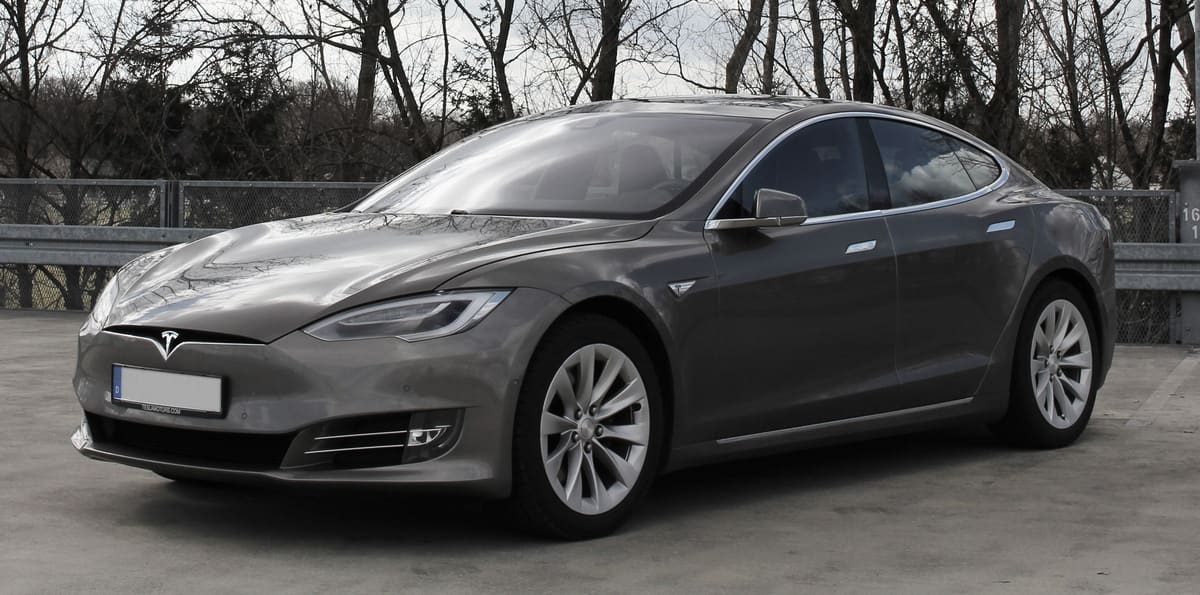
The Tesla Model S is renowned for its performance and innovation, but it is not without its issues. Common problems include battery degradation, charging difficulties, and various electrical faults.
Battery Degradation
One of the most significant concerns for Tesla Model S owners is battery degradation. Over time, the capacity of the battery can diminish, affecting the vehicle’s range. Many users report a noticeable drop in range after several years of ownership, which can be frustrating for those relying on the vehicle for long journeys.
Battery management software updates have been released to help mitigate this issue, but they do not completely eliminate the problem. Regular monitoring of battery health is essential, and owners should be aware of the warranty terms regarding battery performance. Additionally, charging habits can influence battery longevity, so using the correct charging settings is advisable.
Charging Difficulties
While Tesla’s Supercharger network is extensive, some Model S owners have reported issues with charging. Problems can arise from the charging port or the vehicle’s onboard charger, leading to slow or failed charging sessions. This can be particularly inconvenient for those who rely on public charging stations.
It is essential for owners to keep the charging port clean and free from debris. Regular software updates can also improve charging performance. If issues persist, it may be necessary to consult a Tesla service centre for diagnostics and repairs. Keeping an eye on charging station availability and compatibility can help avoid these issues.
Electrical Faults
Electrical problems are another common issue reported by Tesla Model S owners. These can range from minor glitches, such as screen freezes, to more serious issues affecting the vehicle’s functionality. The central touchscreen is particularly prone to issues, which can impact navigation and other essential features.
Many electrical faults can be resolved through software updates, which Tesla frequently rolls out. However, persistent problems may require hardware repairs or replacements. Owners should stay informed about recalls or service bulletins that may address these electrical concerns. Regular maintenance checks can also help identify potential issues before they escalate.
Suspension Problems
The Model S features an air suspension system that can sometimes lead to problems. Owners have reported issues such as uneven ride height and air leaks, which can affect handling and comfort. These problems can be exacerbated by driving on rough roads or over time due to wear and tear.
Regular inspection of the suspension components is crucial to catch any issues early. If the vehicle exhibits unusual noises or handling characteristics, it is advisable to have it checked by a professional. Upgrading to aftermarket suspension components may also be a consideration for those looking to enhance performance and reliability.
Software Glitches
Tesla vehicles are heavily reliant on software for their operation, and the Model S is no exception. Owners have experienced various software glitches, including problems with the Autopilot system and issues with the infotainment system. These glitches can be frustrating and may compromise the driving experience.
Tesla frequently releases over-the-air updates to address software issues, but not all problems are resolved this way. If a glitch persists, it may require a visit to a service centre for further investigation. Staying updated with the latest software versions can help minimise these issues, ensuring that the vehicle operates smoothly.
Brake System Concerns
The braking system in the Tesla Model S is generally reliable, but some owners have reported issues with the brake pads and rotors. Premature wear can occur, particularly for those who drive aggressively or in hilly areas. This can lead to decreased braking performance and increased maintenance costs.
Regular inspection and maintenance of the braking system are essential to ensure safety and performance. Owners should be aware of any unusual noises or changes in braking behaviour, as these can indicate the need for service. Upgrading to high-performance brake components may be beneficial for those seeking enhanced braking capabilities.
Understanding these common problems can help Tesla Model S owners maintain their vehicles effectively and make informed decisions about repairs and upgrades. Regular maintenance and staying informed about potential issues can significantly enhance the ownership experience.
Tesla Model S recall record
8 recalls have been issued for the Tesla Model S, between 2015 and 2025.
Update Vehicle Firmware To Restore Post-Crash eCall Functionality
R/2025/075Issued 7 March 2025
On affected vehicles the eCall audio system will not operate in compliance with Regulations when the front passenger seat is occupied. As a result communications between the occupants of the vehicle and an eCall public safety answer point are unavailable post-crash.
Remedy:Install modified software via an Over the Air (OTA) wireless update.
Affects cars built Oct 2022 to Apr 2024
MISALIGNMENT OF THE HOOD LATCH MAY PREVENT LATCHING OF THE SECONDARY LATCH
R/2022/009Issued 18 February 2022
Misalignment of the hood latch may prevent latching of the secondary latch.
Remedy:Inspect the secondary hood latch on affected vehicles. If the hood is not properly retained by the secondary latch the latch mechanism will be reassembled and repositioned to assure proper alignment.
Affects cars built Sept 2014 to Dec 2020
WHEN THE eMMC REACHES ACCUMULATED LIFETIME WEAR THE CUSTOMER MAY EXPERIENCE A BLANK CENTRE DISPLAY
R/2021/031Issued 1 February 2021
When the eMMC reaches accumulated lifetime wear the customer may experience a blank centre display.
Remedy:Ensure current software is installed and upgrade the VCM daughterboard to a 64GB Micron eMMC.
Affects cars built May 2012 to Mar 2018
THE PROPELLANT IN THE FRONT PASSENGER AIRBAG INFLATOR MAY DEGRADE OVER TIME
R/2019/006Issued 11 January 2019
The front passenger airbag inflator could rupture in the event the airbag is deployed.
Remedy:Replace the front passenger air bag on affected vehicles.
Affects cars built Mar 2014 to Dec 2016
4 older recalls not shown.
A recall applies to a build range, not to every car of this model. Check a registration to see whether one specific vehicle has an outstanding recall.
Tesla Model S MOT record
From 10,726 recorded MOT tests, 18.6% failed.
| Registered | Tests | Failed | Median mileage |
|---|---|---|---|
| 2020 | 920 | 17.2% | 53,504 mi |
| 2019 | 1,226 | 13.8% | 62,600 mi |
| 2018 | 1,880 | 15.7% | 72,874 mi |
| 2017 | 2,532 | 17.8% | 81,529 mi |
| 2016 | 2,305 | 20.6% | 94,900 mi |
| 2015 | 1,271 | 23.3% | 103,452 mi |
| 2014 | 592 | 25.5% | 109,759 mi |
Most common reasons for failure
- Tyre tread depth not in accordance with the requirements33.9%
- A suspension pin, bush or joint excessively worn32.2%
- A tyre seriously damaged14.4%
- Brake disc or drum excessively weakened, insecure or fractured9.9%
- A tyre cords visible or damaged9.6%
Figures cover every Tesla Model S tested in the DVSA dataset, not this specific car. Check a registration for the actual history of one vehicle.
Tesla Model S official figures
Median across 2 variants on sale, electricity.
- Electric range
- 383.5 miles
- Manufacturer WLTP figure
Official figures for new cars. Real economy varies with driving, load and conditions.
Frequently asked questions
What are the most common issues with the Tesla Model S?
Common issues with the Tesla Model S include battery degradation, touchscreen malfunctions, and problems with the door handles. Some owners have also reported issues with the air suspension system.
How reliable is the Tesla Model S?
The Tesla Model S generally has a good reputation for reliability, but some owners have experienced specific problems. Regular maintenance and software updates can help improve its overall performance.
Are there any known battery problems with the Tesla Model S?
Yes, some Tesla Model S owners have reported battery degradation over time, which can affect range. It's important to monitor battery health and consider warranty options if issues arise.
What should I do if my Tesla Model S touchscreen stops working?
If the touchscreen stops working, try performing a soft reset by holding down the two scroll wheels on the steering wheel. If the problem persists, contact Tesla support for further assistance.
Is the air suspension on the Tesla Model S prone to failure?
Some owners have reported issues with the air suspension system, including leaks and failure to adjust. Regular checks and servicing can help mitigate these problems.
How can I check for common problems before buying a used Tesla Model S?
Before purchasing a used Tesla Model S, it's advisable to get a comprehensive vehicle check and review the service history. Look for any signs of previous repairs or recurring issues.
What warranty options are available for the Tesla Model S?
Tesla offers a limited warranty that covers the vehicle for a certain number of years or miles, whichever comes first. Extended warranty options may also be available for added peace of mind.
Sources
- DVSA anonymised MOT tests and results (Open Government Licence v3.0)
- VCA new car fuel consumption and emissions data (Open Government Licence v3.0)
- DVSA vehicle safety recalls (Open Government Licence v3.0)