Common problems
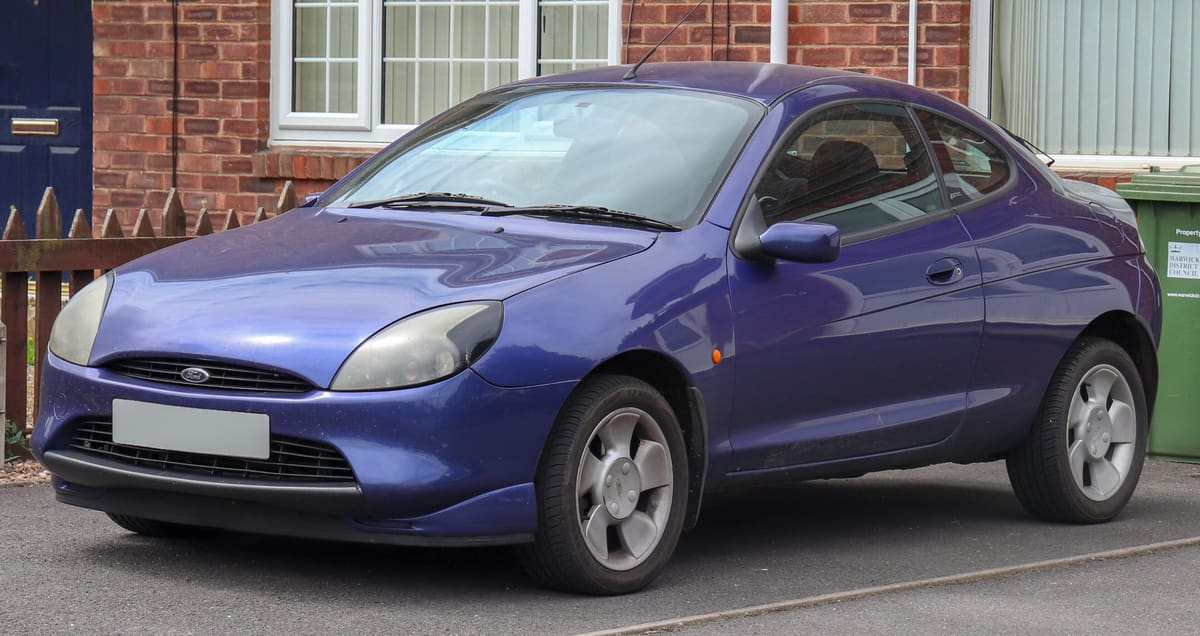
Ford Puma common problems and reliability issues
Honest rundown of the most common Ford Puma faults, what to watch for, and how to keep one running well.
Updated 4th September 2026 DVSA data: Across 91,363 recorded MOT tests, 6.8% failed.
TL;DR
Ford Puma vehicles are known for being fun to drive but have common issues, including oil leaks, transmission faults, front suspension wear, electrical problems, and fuel system recalls. Regular maintenance and inspections can help mitigate these issues and ensure a reliable driving experience.
Engine Issues
The Ford Puma has had engine reliability issues, particularly in the 2000-2002 models. Oil leaks are the most commonly reported problem. These leaks can lead to low oil levels, which may cause engine damage if not addressed. Regular checks and timely oil changes can help mitigate this issue. Keeping an eye on the oil pressure gauge can be beneficial in spotting potential problems early.
Transmission Problems
Transmission faults are more prevalent in the 1997-2002 models. Issues with the clutch have been reported, especially in vehicles that have not been serviced regularly. If you are considering a Puma from this range, ensure the clutch has been replaced if necessary. Some owners have experienced erratic or jerky shifting, which can manifest as the transmission shifting too early, too late, or skipping gears entirely. Regular transmission fluid checks can help maintain smooth operation.
Suspension Wear
Front suspension wear is a known issue in Ford Pumas, especially models from 1997 to 2002. Drivers have reported knocking noises when driving over bumps. Regular inspections can help identify worn components early, preventing more costly repairs down the line. Some owners have suggested that upgrading to aftermarket suspension components can improve ride quality and longevity.
Electrical Faults
Electrical problems have been noted in Pumas from 1999 to 2001. Common issues include faulty window regulators that can fail, leaving windows stuck. If you notice any electrical irregularities, it is wise to have them checked by a professional. Additionally, some owners have reported battery drain issues, which may require a thorough inspection of the electrical system to identify any parasitic drains.
Recalls and Safety Issues
Several recalls have been issued for the Ford Puma, particularly concerning fuel system issues in 1998 models. Always check the vehicle’s recall history to ensure any necessary repairs have been completed. This can be done through the DVSA website. It is also advisable to stay updated on any new recalls that may arise, as this can affect the long-term reliability of the vehicle.
What people are asking
Are Ford Pumas a reliable car?
The reliability of the Ford Puma can vary by model year, but many owners report a decent experience with regular maintenance. Models that have been well cared for tend to perform better, while those with a questionable service history may encounter more issues.
Why did Ford stop making Puma?
In a media statement, Ford Australia described the discontinuation of the Puma as a sharpened focus on electric vehicles, commercial and performance vehicles. This strategic shift reflects the automotive industry’s broader trend towards electrification.
What is the most common issue with Ford?
Transmission issues are common across many Ford models, particularly those with automatic transmissions. Problems such as rough shifting, slipping gears, or hesitation when accelerating can arise from low transmission fluid levels, worn-out components, or software glitches.
Which is better, Ford Fiesta or Puma?
The Puma is generally more practical due to its crossover design, which offers more space for passengers and cargo. However, it may not handle as sharply as the Fiesta, which is known for its sporty driving dynamics, and typically comes at a higher price point.
What owners say
While some praise the car for its fun driving experience and decent maintenance costs, others have flagged concerns about the quality of materials used in the interior, suggesting that it feels less durable compared to competitors. Many owners have shared their experiences regarding the Ford Puma’s reliability.
In terms of common faults, several users reported issues with the clutch in older models, particularly those manufactured between 1997 and 2002. Regular servicing appears to be crucial, as neglecting maintenance can exacerbate these problems.
When it comes to suspension, many drivers noted that the front suspension can wear out, leading to noticeable knocking noises. Some owners have opted for aftermarket parts to improve handling and ride comfort, indicating that this can be a worthwhile investment.
Battery drain issues were also mentioned by a few owners, highlighting the importance of checking the electrical system regularly. Those who have experienced this problem recommend ensuring that all electrical components are functioning correctly to avoid unexpected battery failures.
Overall, the Ford Puma is seen as a strong contender in its class, especially for small families. While it may lack some space compared to larger vehicles, many owners feel it strikes a good balance between practicality and driving enjoyment.
Ford Puma recall record
19 recalls have been issued for the Ford Puma, between 2003 and 2026.
Multi Vehicle Line (MVL): Telecommunications Control Module (TCU) loss of Function Software Update
R/2026/181Issued 5 May 2026
Affected vehicles may experience a loss of emergency call system (eCall) functionality which impacts both automatic and manual eCall events.
Remedy:Update the Telematics Control Unit software to the latest level.
Affects cars built Nov 2019 to Feb 2022
Puma -Certificate of Conformity (CoC) Update Tyre Mismatch
R/2026/170Issued 24 April 2026
While monitoring vehicles in operation Ford has become aware that a number of Puma Gen-E vehicles may show a mismatch between the Tyre information on the Certificate of Conformity (COC) and Homologation documents and may not meet regulatory requirements.
Remedy:Document exchange
Affects cars built Apr 2025 to Sept 2025
26S15 Puma - Driveshaft Inspection
R/2026/165Issued 22 April 2026
Affected vehicles may experience a right-hand sided front driveshaft failure resulting in a loss of drive.
Remedy:Inspect the right-hand side front driveshaft and replace if necessary.
Affects cars built Sept 2025 to Dec 2025
25C81 Puma - Instrument Panel Cluster Software Update
R/2026/064Issued 13 February 2026
On affected vehicles the software repair for previous recall 24C18 may not have been delivered properly and vehicles may still have an intermittent Instrument Panel Cluster (IPC) display issue.
Remedy:Update the IPC software and perform an additional verification process to ensure the configuration has been installed correctly.
Affects cars built May 2024 to Jun 2024
15 older recalls not shown.
A recall applies to a build range, not to every car of this model. Check a registration to see whether one specific vehicle has an outstanding recall.
Ford Puma MOT record
From 91,363 recorded MOT tests, 6.8% failed.
| Registered | Tests | Failed | Median mileage |
|---|---|---|---|
| 2023 | 2,208 | 3.5% | 17,286 mi |
| 2022 | 34,387 | 5.1% | 20,132 mi |
| 2021 | 27,669 | 5.5% | 27,781 mi |
| 2020 | 25,452 | 9.0% | 33,184 mi |
| 2002 | 387 | 32.8% | 76,156 mi |
| 2001 | 519 | 34.1% | 77,705 mi |
| 2000 | 506 | 28.3% | 79,318 mi |
| 1999 | 235 | 33.6% | 80,647 mi |
Most common reasons for failure
- A tyre seriously damaged37.2%
- Tyre tread depth not in accordance with the requirements28.8%
- a brake lining or pad worn below 1.5mm17.3%
- Brake disc or drum excessively weakened, insecure or fractured10.3%
- Windscreen washers not working or not providing sufficient fluid to clear the windscreen6.3%
Figures cover every Ford Puma tested in the DVSA dataset, not this specific car. Check a registration for the actual history of one vehicle.
Frequently asked questions
What are common engine problems in the Ford Puma?
Common engine issues include oil leaks, particularly in the 2000-2002 models.
Are there transmission issues with the Ford Puma?
Some 1997-2002 models may experience clutch problems, especially if not serviced regularly.
What suspension problems should I look for?
Front suspension wear is common in models from 1997 to 2002, leading to knocking noises.
Are there any known electrical faults?
Electrical issues, such as faulty window regulators, are reported in models from 1999 to 2001.
Have there been any recalls for the Ford Puma?
Recalls are issued against individual vehicles rather than a model as a whole, so a model-level yes or no would be guesswork. Enter the registration on Honest Car Check and we check the DVSA record for that specific car. Where DVSA holds no status, confirm it with a franchised dealer using the VIN.
Are Ford Pumas a reliable car?
The reliability of the Ford Puma can vary by model year, but many owners report a decent experience with regular maintenance.
Why did Ford stop making Puma?
In a media statement, Ford Australia described the discontinuation of the Puma as a sharpened focus on electric vehicles, commercial and performance vehicles.
What is the most common issue with Ford?
Transmission issues are common across many Ford models, particularly those with automatic transmissions, which may experience rough shifting or slipping gears.
Which is better, Ford Fiesta or Puma?
The Puma is generally more practical due to its crossover design, but it may not handle as sharply as the Fiesta and typically comes at a higher price.
Sources
- DVSA anonymised MOT tests and results (Open Government Licence v3.0)
- DVSA vehicle safety recalls (Open Government Licence v3.0)