Top fixes
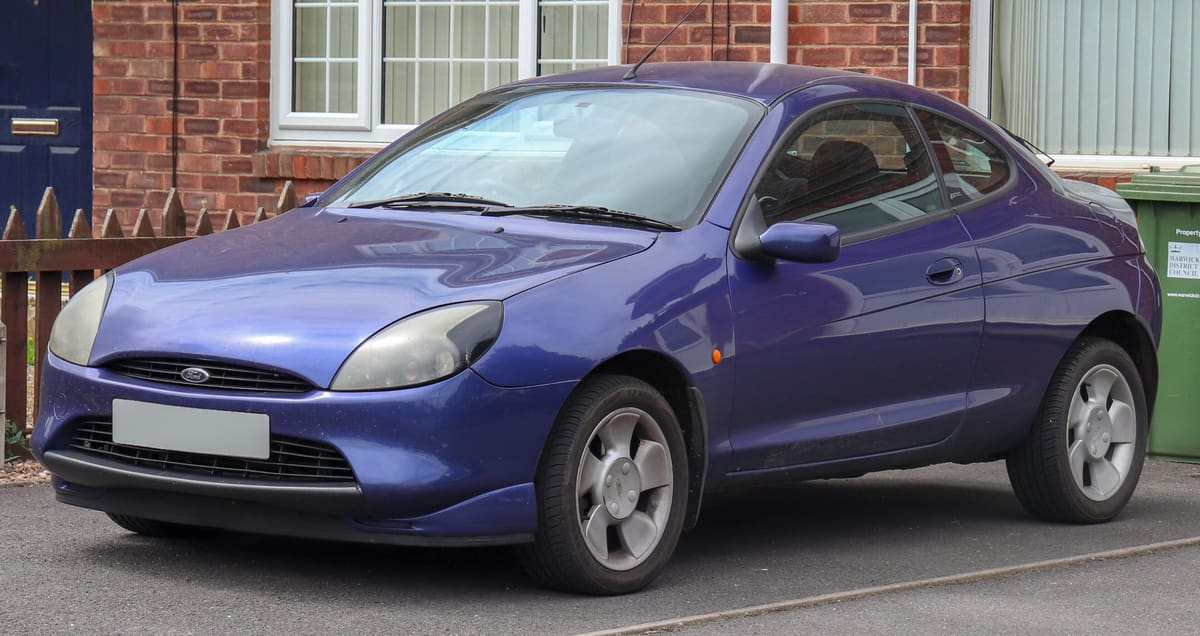
Top Ford Puma fixes every owner should know
Cheap, practical fixes for the Ford Puma faults you actually meet, with rough costs and what a garage will charge.
Updated 4th September 2026 DVSA data: Across 91,363 recorded MOT tests, 6.8% failed.
TL;DR
The Ford Puma, a compact SUV, has common faults including electrical issues, suspension wear, engine problems, brake wear, and exhaust leaks. Fixes range from DIY tasks costing £10 to £50 for parts, to garage repairs costing £50 to £150 for labour, depending on the issue.
Electrical Issues
One of the most reported issues with the Ford Puma involves electrical faults. Owners often experience problems with the central locking and dashboard lights. A common fix is replacing the faulty relay or fuse. This is usually a DIY job, costing around £10 for parts. If you opt for a garage, expect to pay roughly £50 to £80 for labour.
Suspension Wear
Another frequent problem is suspension wear, particularly with the rear shock absorbers. Signs include a bumpy ride or unusual noises. Replacing shock absorbers is best done at a garage if you’re not experienced. Parts can cost about £100 each, with labour adding another £100 to £150.
Engine Problems
Some Ford Puma models, particularly those from 1999 to 2001, may develop engine issues like overheating. A common fix involves replacing the thermostat and coolant. This can be a DIY task, with parts costing around £30. Garage labour could range from £80 to £120.
Brake Wear
Brake wear is common, especially on older models. Signs include squeaking or reduced braking efficiency. Replacing brake pads is a straightforward DIY job, with parts costing around £40. If you take it to a garage, expect to pay between £60 to £100 for labour.
Exhaust Leaks
Exhaust leaks can occur due to rust or damage, leading to increased noise and emissions. A temporary fix might involve using exhaust tape, but a proper repair requires replacing the affected section. Parts can cost around £50, with garage labour typically costing £80 to £120.
Ford Puma recall record
19 recalls have been issued for the Ford Puma, between 2003 and 2026.
Multi Vehicle Line (MVL): Telecommunications Control Module (TCU) loss of Function Software Update
R/2026/181Issued 5 May 2026
Affected vehicles may experience a loss of emergency call system (eCall) functionality which impacts both automatic and manual eCall events.
Remedy:Update the Telematics Control Unit software to the latest level.
Affects cars built Nov 2019 to Feb 2022
Puma -Certificate of Conformity (CoC) Update Tyre Mismatch
R/2026/170Issued 24 April 2026
While monitoring vehicles in operation Ford has become aware that a number of Puma Gen-E vehicles may show a mismatch between the Tyre information on the Certificate of Conformity (COC) and Homologation documents and may not meet regulatory requirements.
Remedy:Document exchange
Affects cars built Apr 2025 to Sept 2025
26S15 Puma - Driveshaft Inspection
R/2026/165Issued 22 April 2026
Affected vehicles may experience a right-hand sided front driveshaft failure resulting in a loss of drive.
Remedy:Inspect the right-hand side front driveshaft and replace if necessary.
Affects cars built Sept 2025 to Dec 2025
25C81 Puma - Instrument Panel Cluster Software Update
R/2026/064Issued 13 February 2026
On affected vehicles the software repair for previous recall 24C18 may not have been delivered properly and vehicles may still have an intermittent Instrument Panel Cluster (IPC) display issue.
Remedy:Update the IPC software and perform an additional verification process to ensure the configuration has been installed correctly.
Affects cars built May 2024 to Jun 2024
15 older recalls not shown.
A recall applies to a build range, not to every car of this model. Check a registration to see whether one specific vehicle has an outstanding recall.
Ford Puma MOT record
From 91,363 recorded MOT tests, 6.8% failed.
| Registered | Tests | Failed | Median mileage |
|---|---|---|---|
| 2023 | 2,208 | 3.5% | 17,286 mi |
| 2022 | 34,387 | 5.1% | 20,132 mi |
| 2021 | 27,669 | 5.5% | 27,781 mi |
| 2020 | 25,452 | 9.0% | 33,184 mi |
| 2002 | 387 | 32.8% | 76,156 mi |
| 2001 | 519 | 34.1% | 77,705 mi |
| 2000 | 506 | 28.3% | 79,318 mi |
| 1999 | 235 | 33.6% | 80,647 mi |
Most common reasons for failure
- A tyre seriously damaged37.2%
- Tyre tread depth not in accordance with the requirements28.8%
- a brake lining or pad worn below 1.5mm17.3%
- Brake disc or drum excessively weakened, insecure or fractured10.3%
- Windscreen washers not working or not providing sufficient fluid to clear the windscreen6.3%
Figures cover every Ford Puma tested in the DVSA dataset, not this specific car. Check a registration for the actual history of one vehicle.
Frequently asked questions
What are common issues with the Ford Puma?
Common issues include electrical faults, suspension wear, and engine problems.
Can I fix these issues myself?
Many issues are DIY-friendly, but some may require professional help.
Sources
- DVSA anonymised MOT tests and results (Open Government Licence v3.0)
- DVSA vehicle safety recalls (Open Government Licence v3.0)