Running costs
Ford Puma running costs: what UK ownership really costs
Ford Puma UK running costs: fuel or electric, insurance group, road tax, servicing and depreciation.
Updated 4th September 2026 DVSA data: Across 91,363 recorded MOT tests, 6.8% failed.
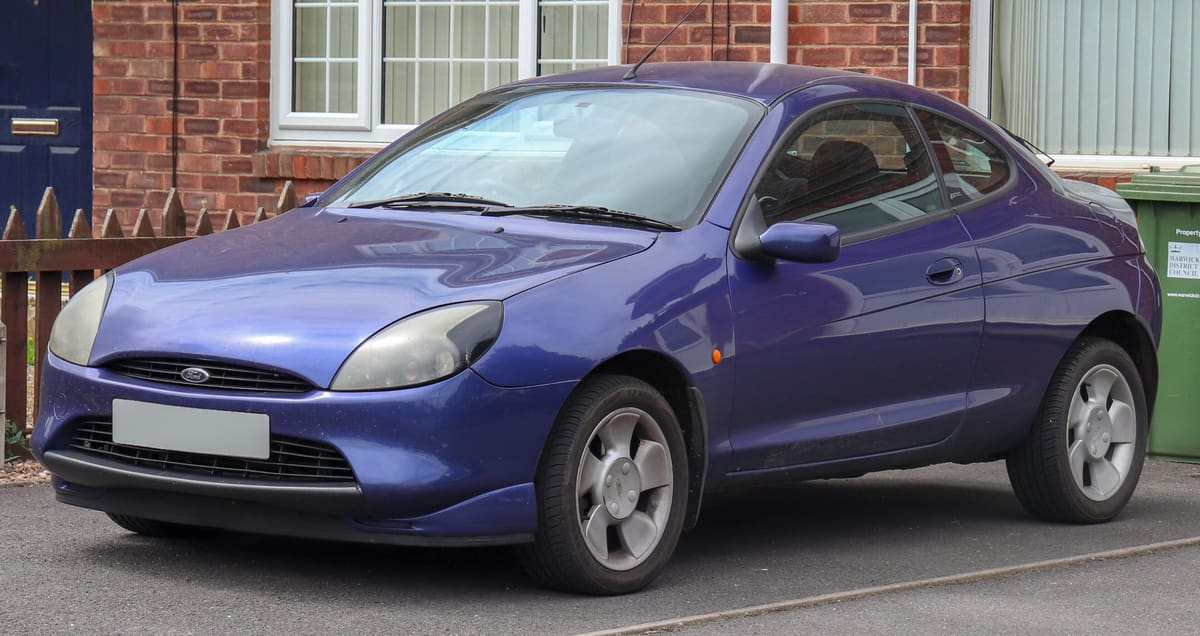
The Ford Puma offers competitive running costs for a compact SUV, making it an appealing choice for budget-conscious drivers. Fuel efficiency is commendable, insurance groups are reasonable, and tax bands are manageable. Servicing intervals are in line with industry standards, while depreciation rates are typical for its class.
Fuel and Electric Costs
The Ford Puma is available with both petrol and hybrid powertrains, providing options for various driving preferences. The petrol engines typically offer fuel economy figures ranging from 40 to 50 miles per gallon, depending on the variant.
For electric costs, the Puma’s hybrid variant uses a combination of petrol and electric power, which can lead to reduced fuel expenses. Charging costs for the hybrid battery are minimal, especially if charged at home during off-peak hours. Overall, the Puma’s fuel and electric costs are competitive, making it a cost-effective choice for daily commutes and longer journeys.
Insurance Group
Insurance groups for the Ford Puma vary based on the model and trim level. Generally, the Puma falls within groups 10 to 22, which is relatively low for a compact SUV. This makes it accessible for a wider range of drivers, including younger motorists who may face higher premiums.
The lower insurance groups are attributed to the Puma’s safety features and reliability ratings. Additionally, the availability of lower-powered engines can help keep insurance costs down. When considering the total ownership costs, the Puma’s insurance rates are an important factor for budget-conscious buyers.
Tax Band
The Ford Puma is classified in various tax bands depending on the engine choice and emissions. Most models fall within the lower tax brackets, which can result in lower annual road tax costs. The hybrid versions, with their reduced emissions, often qualify for the lowest tax rates, making them financially attractive.
Road tax is calculated based on CO2 emissions, and the Puma’s efficient engines help keep these figures down. For drivers looking to minimise their annual expenses, choosing a lower-emission model can lead to significant savings over time.
Servicing Intervals
Servicing intervals for the Ford Puma are set at 12 months or 12,500 miles, whichever comes first. This aligns with industry standards and ensures that the vehicle remains in good condition throughout its lifespan. Regular servicing is essential for maintaining performance and reliability, and the Puma is designed to be straightforward to maintain.
The cost of servicing can vary depending on the garage and the specific work required. However, Ford’s competitive pricing for parts and labour means that servicing the Puma is generally affordable. Keeping up with regular maintenance can help prevent more costly repairs down the line.
Typical Depreciation
Depreciation rates for the Ford Puma are in line with expectations for its segment. Factors such as mileage, condition, and market demand will influence the actual depreciation experienced.
The Puma’s popularity and reputation for reliability can help mitigate depreciation to some extent. Buyers looking for a used model may find that the Puma offers good value for money, especially compared to competitors in the same class. Understanding depreciation is crucial for potential buyers and sellers alike, as it impacts the overall cost of ownership.
Ford Puma recall record
19 recalls have been issued for the Ford Puma, between 2003 and 2026.
Multi Vehicle Line (MVL): Telecommunications Control Module (TCU) loss of Function Software Update
R/2026/181Issued 5 May 2026
Affected vehicles may experience a loss of emergency call system (eCall) functionality which impacts both automatic and manual eCall events.
Remedy:Update the Telematics Control Unit software to the latest level.
Affects cars built Nov 2019 to Feb 2022
Puma -Certificate of Conformity (CoC) Update Tyre Mismatch
R/2026/170Issued 24 April 2026
While monitoring vehicles in operation Ford has become aware that a number of Puma Gen-E vehicles may show a mismatch between the Tyre information on the Certificate of Conformity (COC) and Homologation documents and may not meet regulatory requirements.
Remedy:Document exchange
Affects cars built Apr 2025 to Sept 2025
26S15 Puma - Driveshaft Inspection
R/2026/165Issued 22 April 2026
Affected vehicles may experience a right-hand sided front driveshaft failure resulting in a loss of drive.
Remedy:Inspect the right-hand side front driveshaft and replace if necessary.
Affects cars built Sept 2025 to Dec 2025
25C81 Puma - Instrument Panel Cluster Software Update
R/2026/064Issued 13 February 2026
On affected vehicles the software repair for previous recall 24C18 may not have been delivered properly and vehicles may still have an intermittent Instrument Panel Cluster (IPC) display issue.
Remedy:Update the IPC software and perform an additional verification process to ensure the configuration has been installed correctly.
Affects cars built May 2024 to Jun 2024
15 older recalls not shown.
A recall applies to a build range, not to every car of this model. Check a registration to see whether one specific vehicle has an outstanding recall.
Ford Puma MOT record
From 91,363 recorded MOT tests, 6.8% failed.
| Registered | Tests | Failed | Median mileage |
|---|---|---|---|
| 2023 | 2,208 | 3.5% | 17,286 mi |
| 2022 | 34,387 | 5.1% | 20,132 mi |
| 2021 | 27,669 | 5.5% | 27,781 mi |
| 2020 | 25,452 | 9.0% | 33,184 mi |
| 2002 | 387 | 32.8% | 76,156 mi |
| 2001 | 519 | 34.1% | 77,705 mi |
| 2000 | 506 | 28.3% | 79,318 mi |
| 1999 | 235 | 33.6% | 80,647 mi |
Most common reasons for failure
- A tyre seriously damaged37.2%
- Tyre tread depth not in accordance with the requirements28.8%
- a brake lining or pad worn below 1.5mm17.3%
- Brake disc or drum excessively weakened, insecure or fractured10.3%
- Windscreen washers not working or not providing sufficient fluid to clear the windscreen6.3%
Figures cover every Ford Puma tested in the DVSA dataset, not this specific car. Check a registration for the actual history of one vehicle.
Frequently asked questions
What are the typical fuel costs for a Ford Puma?
The Ford Puma, particularly the 1.0 EcoBoost model, offers good fuel efficiency, averaging around 40-50 mpg. This translates to lower fuel costs, especially for urban driving, where the hybrid variant can be even more economical.
How often does the Ford Puma need servicing?
Servicing for the Ford Puma is generally recommended every 12 months or 12,500 miles, whichever comes first. Regular maintenance includes oil changes, air filter replacements, and checks on the brake system to ensure optimal performance.
What is the insurance group for the Ford Puma?
Insurance groups for the Ford Puma vary by model, typically ranging from group 14 to 21. For example, the Puma ST-Line is often in group 16, which means insurance costs can be moderate compared to other vehicles in its class.
Are there any specific maintenance issues to watch for?
Owners should keep an eye on the brake pads and discs, especially if driving in urban areas. The rear brake pads may wear out faster due to frequent stop-and-go traffic, requiring replacement every 20,000 to 30,000 miles.
How reliable is the Ford Puma in terms of running costs?
The Ford Puma is generally considered reliable, with many owners reporting minimal issues in the first few years. Regular checks on the battery and electrical systems, especially in the hybrid models, can help maintain its reliability.
Sources
- DVSA anonymised MOT tests and results (Open Government Licence v3.0)
- DVSA vehicle safety recalls (Open Government Licence v3.0)