Buying guide
Buying a used Hyundai Kona: what to check before you pay
A complete used-buyer checklist for the Hyundai Kona. Engine, gearbox, electrics, paperwork.
Updated 23rd June 2026 DVSA data: Across 61,435 recorded MOT tests, 10.2% failed.
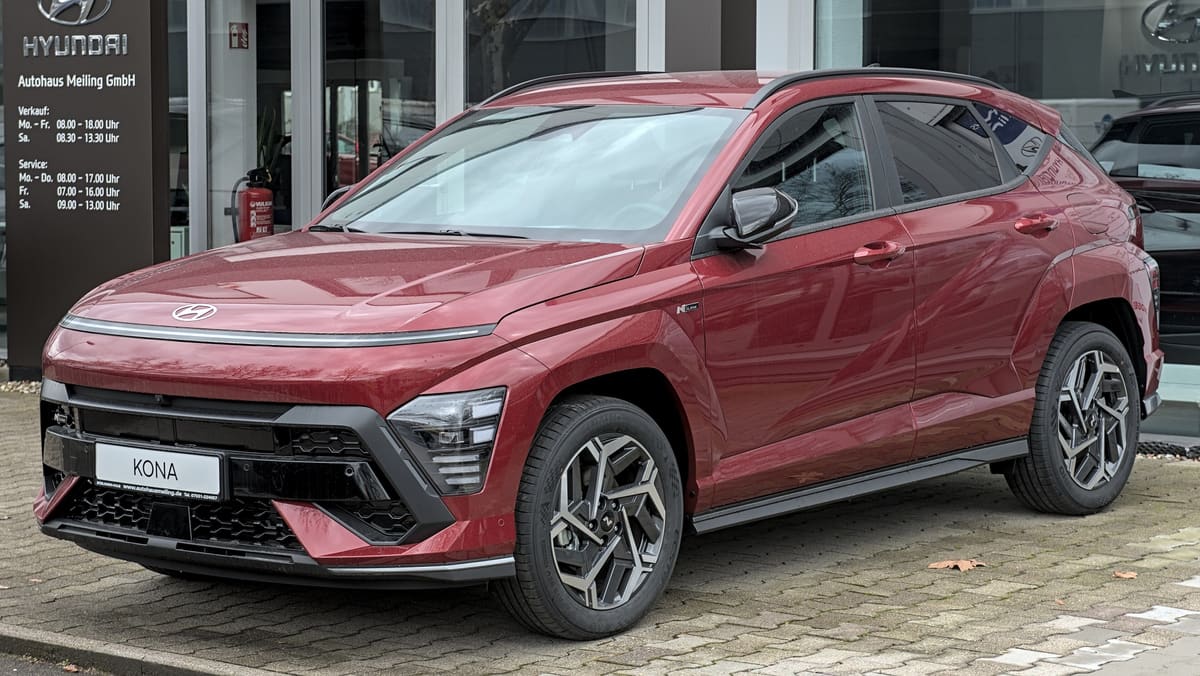
The Hyundai Kona is a popular compact SUV that offers a blend of style, practicality, and efficiency. If you’re considering purchasing a used model, it’s essential to conduct thorough checks to ensure you make a wise investment.
Understanding the Hyundai Kona
The Hyundai Kona was first introduced in 2017 and quickly gained popularity due to its distinctive design and versatile features. Available in various trims, it offers a choice of petrol, diesel, and electric powertrains. Its compact size makes it ideal for urban driving, while the spacious interior and boot capacity cater to families and active lifestyles.
When buying a used Kona, consider the model year and specifications, as features and performance can vary significantly across different versions. Familiarising yourself with the various trims and options will help you identify the best fit for your requirements.
Checking the Vehicle History
Before purchasing a used Hyundai Kona, it is crucial to check its vehicle history. Obtain a vehicle history report to uncover any past accidents, insurance claims, or outstanding finance. This information can help you avoid potential pitfalls and ensure you are making a sound investment.
Additionally, verify the vehicle’s MOT history using the DVSA MOT data. This will provide insight into the car’s previous maintenance and any recurring issues. A well-documented service history is a good indicator of how well the vehicle has been cared for, which can significantly affect its reliability and longevity.
Inspecting the Exterior and Interior
A thorough inspection of both the exterior and interior is essential when buying a used Kona. Look for signs of rust, dents, or scratches on the bodywork, as these can indicate neglect or previous accidents. Pay close attention to the condition of the paintwork and any signs of poor repairs.
Inside the vehicle, check for wear and tear on the upholstery, dashboard, and controls. Ensure that all electronic features, such as the infotainment system and air conditioning, are functioning correctly. A well-maintained interior reflects the overall care the vehicle has received and can influence its resale value.
Evaluating the Mechanical Condition
Assessing the mechanical condition of the Hyundai Kona is vital to ensure it runs smoothly and reliably. Start by checking the engine for any leaks or unusual noises. If possible, request a cold start to listen for any irregularities. Inspect the oil and coolant levels, as well as the condition of the belts and hoses.
Take the vehicle for a test drive to evaluate its performance. Pay attention to the steering, brakes, and suspension, ensuring they feel responsive and stable. Listen for any unusual sounds while driving, as these could indicate underlying issues. A thorough mechanical inspection can help you identify potential problems before making a purchase.
Understanding Common Issues
While the Hyundai Kona is generally regarded as a reliable vehicle, some common issues have been reported by owners. It is essential to be aware of these potential pitfalls when considering a used model.
Additionally, some owners have reported concerns with the suspension and braking systems. Regular maintenance and prompt attention to any warning lights can help mitigate these issues. Familiarising yourself with common problems can aid in your decision-making process and help you choose a well-maintained vehicle.
Assessing Fuel Economy and Running Costs
When considering a used Hyundai Kona, evaluating fuel economy and running costs is crucial. The Kona offers a range of engines, each with varying efficiency levels. Petrol engines generally provide decent fuel economy, while diesel options tend to be more economical for longer journeys.
Research the specific engine type and its fuel efficiency ratings to determine how it aligns with your driving habits. Additionally, consider insurance costs, road tax, and potential maintenance expenses when budgeting for your new vehicle. Understanding the overall running costs will help you decide with confidence and avoid unexpected financial burdens.
Finalising the Purchase
Once you have completed your checks and are satisfied with the condition of the Hyundai Kona, it is time to finalise the purchase. Negotiate the price based on your findings, and ensure you receive all relevant documentation, including the V5C registration certificate and service history.
Before completing the transaction, consider arranging an independent inspection by a qualified mechanic. This additional layer of scrutiny can provide peace of mind and help identify any hidden issues. Once you are confident in your choice, enjoy your new Hyundai Kona and the versatility it brings to your driving experience.
Hyundai Kona recall record
14 recalls have been issued for the Hyundai Kona, between 2019 and 2026.
Some vehicles fitted with a high voltage battery may have internal cell voltage deviation
R/2026/128Issued 4 May 2026
Some vehicles fitted with a high voltage battery may have internal cell voltage deviation. If this occurs it may result in the risk of an electrical short circuit inside the battery. Until the high voltage battery software has been updated we recommend the vehicle to be parked in a well ventilated area. The vehicle can be used as normal.
Remedy:Hyundai has launched a Safety Recall to update the battery management system (BMS) software.
Affects cars built Jan 2018 to Jul 2023
Some vehicles may have an instrument cluster operational concern whilst driving the vehicle
R/2026/146Issued 2 April 2026
Some vehicles may face a concern where the instrument cluster panel may reboot during vehicle operation potentially resulting in a blank instrument cluster display screen.
Remedy:To correct this an ‘Over the Air ‘ software update to the vehicles will be deployed remotely.
Affects cars built Jul 2025 to Nov 2025
The subject vehicles may experience a transmission malfunction resulting in a loss of drive.
R/2024/172Issued 20 May 2024
On affected vehicles they may experience a transmission malfunction resulting in a loss of drive
Remedy:On all affected vehicles the transmission control unit software will be updated
Affects cars built Apr 2023 to Dec 2023
A risk of electrical short circuit within the engine compartment during a vehicle collision
R/2024/154Issued 29 April 2024
On affected vehicles a risk of an electrical short circuit within the engine compartment during a collision
Remedy:On affected vehicles crush shields will be installed to protect the wiring
Affects cars built Apr 2023 to Dec 2023
10 older recalls not shown.
A recall applies to a build range, not to every car of this model. Check a registration to see whether one specific vehicle has an outstanding recall.
Hyundai Kona MOT record
From 61,435 recorded MOT tests, 10.2% failed.
| Registered | Tests | Failed | Median mileage |
|---|---|---|---|
| 2023 | 1,011 | 9.0% | 24,220 mi |
| 2022 | 16,848 | 8.9% | 22,255 mi |
| 2021 | 16,107 | 10.2% | 30,980 mi |
| 2020 | 11,718 | 11.0% | 35,495 mi |
| 2019 | 8,742 | 10.8% | 39,026 mi |
| 2018 | 6,592 | 11.2% | 44,406 mi |
| 2017 | 417 | 12.7% | 48,147 mi |
Most common reasons for failure
- A tyre seriously damaged37.3%
- Tyre tread depth not in accordance with the requirements30.5%
- a brake lining or pad worn below 1.5mm11.7%
- Wiper blade missing or obviously not clearing the windscreen10.5%
- Brake disc or drum excessively weakened, insecure or fractured10.0%
Figures cover every Hyundai Kona tested in the DVSA dataset, not this specific car. Check a registration for the actual history of one vehicle.
Hyundai Kona official figures
Median across 82 variants on sale, electricity, petrol, petrol electric.
- Combined economy
- 47.9 mpg
- WLTP median across variants
- CO2 emissions
- 135 g/km
- Sets the first-year tax rate
- Electric range
- 291 miles
- Manufacturer WLTP figure
Official figures for new cars. Real economy varies with driving, load and conditions.
Frequently asked questions
What are the key features of the Hyundai Kona?
The Hyundai Kona offers a stylish design, a comfortable interior, and a range of tech features. It typically includes a touchscreen infotainment system, advanced safety features, and options for hybrid or electric powertrains.
How does the Hyundai Kona compare to other small SUVs?
The Hyundai Kona stands out with its distinctive styling and a well-equipped interior. Compared to other small SUVs, it often offers a good balance of performance, comfort, and technology.
What should I look for when buying a used Hyundai Kona?
When buying a used Hyundai Kona, check the vehicle's service history, mileage, and condition. It's also wise to look for any signs of wear and tear, and ensure that all features are functioning properly.
Is the Hyundai Kona a good choice for families?
Yes, the Hyundai Kona can be a good choice for families, offering ample space for passengers and luggage. However, potential buyers should consider their specific needs, such as child seat compatibility and rear passenger space.
What are the running costs of a Hyundai Kona?
Running costs for a Hyundai Kona can vary based on the engine type and driving habits. Generally, you should consider fuel efficiency, insurance costs, and maintenance when budgeting for ownership.
Are there any common issues with the Hyundai Kona?
While the Hyundai Kona is generally reliable, some owners have reported minor issues with electronics and infotainment systems. It's advisable to research specific model years for any known problems.
What is the warranty coverage for a new Hyundai Kona?
A new Hyundai Kona typically comes with a five-year warranty, which includes roadside assistance. This coverage can provide peace of mind for new buyers.
Can I get a Hyundai Kona with all-wheel drive?
Yes, the Hyundai Kona is available with all-wheel drive, which can enhance traction and stability in various driving conditions. This option is particularly beneficial for those living in rural or hilly areas.
Sources
- DVSA anonymised MOT tests and results (Open Government Licence v3.0)
- VCA new car fuel consumption and emissions data (Open Government Licence v3.0)
- DVSA vehicle safety recalls (Open Government Licence v3.0)