Common problems
Hyundai Kona common problems and reliability issues
Honest rundown of the most common Hyundai Kona faults, what to watch for, and how to keep one running well.
Updated 4th September 2026 DVSA data: Across 61,435 recorded MOT tests, 10.2% failed.
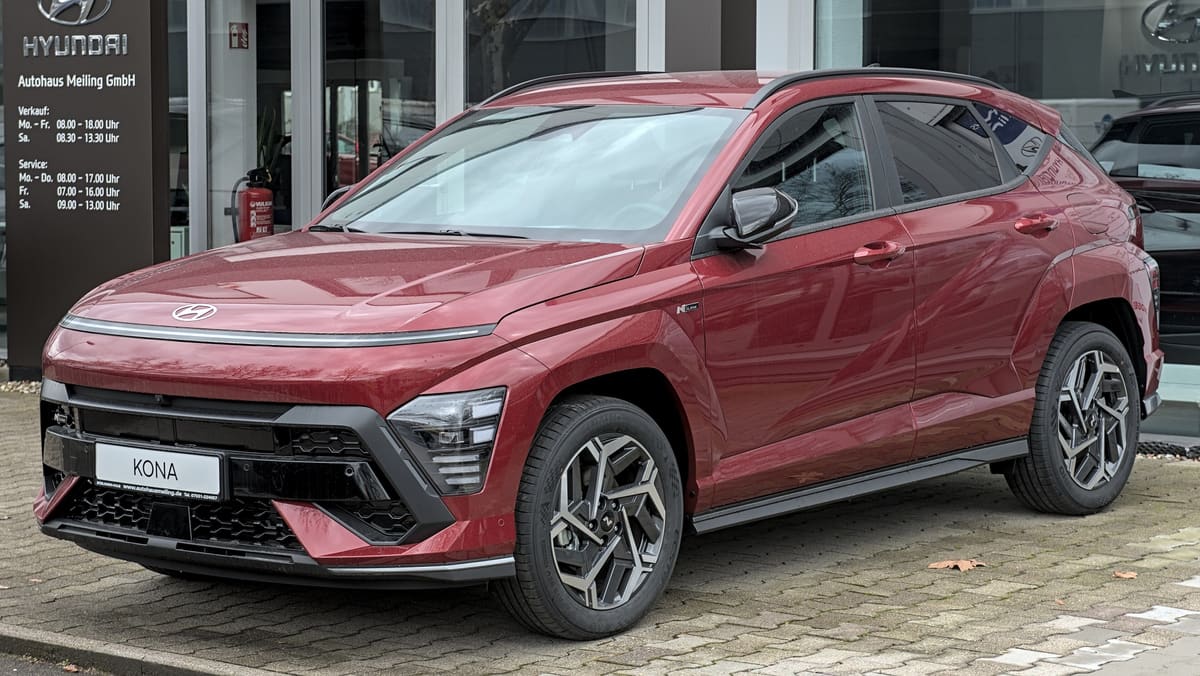
The Hyundai Kona is generally regarded as a reliable compact SUV. Owners have reported problems primarily related to the electrical system, transmission, and suspension.
Electrical System Issues
One of the most frequently reported problems with the Hyundai Kona involves the electrical system. Owners have noted issues such as dashboard warning lights activating unexpectedly and problems with the infotainment system. These electrical glitches can lead to frustration and may require dealership intervention.
Some Kona owners have experienced battery drain, often attributed to faulty wiring or software glitches. Additionally, issues with the keyless entry system have been reported, with some users finding that their keys do not respond as expected. Regular software updates from Hyundai can sometimes resolve these issues, but persistent problems may necessitate further investigation.
Transmission Problems
Transmission issues have also been a concern for some Hyundai Kona owners. While many drivers report smooth gear changes, others have experienced rough shifting or hesitation during acceleration. These problems can be particularly noticeable when driving in stop-and-go traffic or during rapid acceleration.
The dual-clutch automatic transmission, while generally efficient, has been known to exhibit issues such as slipping or failing to engage properly. In some cases, a software update may be required to rectify these problems. However, if the issues persist, a more in-depth inspection may be necessary to determine if mechanical repairs are needed.
Suspension and Steering Concerns
Another area where the Hyundai Kona has faced criticism is its suspension and steering system. Some owners have reported a harsh ride quality, particularly on uneven surfaces. This can be attributed to the vehicle’s sport-tuned suspension, which, while enhancing handling, may compromise comfort.
Steering issues have also been noted, with some drivers experiencing a lack of feedback or excessive play in the steering wheel. These problems can affect overall driving confidence and may require adjustments or repairs to the steering components. Regular maintenance checks can help identify any emerging issues before they become significant problems.
Brake System Faults
The brake system in the Hyundai Kona has been highlighted in various reports, with some owners experiencing premature wear on brake pads and discs. This can lead to reduced braking performance and increased stopping distances, which can be a safety concern.
Additionally, issues with the anti-lock braking system (ABS) have been reported, including warning lights activating without an apparent cause. In some cases, this may be linked to sensor malfunctions or wiring issues. Regular inspections of the brake system can help ensure that all components are functioning correctly and safely.
Engine Performance Issues
While the Hyundai Kona is generally praised for its engine performance, some owners have encountered problems such as excessive oil consumption or engine stalling. These issues can arise from various factors, including faulty sensors or issues with the fuel system.
Some drivers have reported that their Kona experiences a loss of power during acceleration, which can be frustrating and potentially dangerous. Regular maintenance, including oil changes and fuel system cleaning, can help mitigate these issues and keep the engine running smoothly.
Interior and Build Quality Problems
Finally, some Hyundai Kona owners have raised concerns about interior build quality and materials. Issues such as rattling noises from the dashboard or poor fit and finish have been reported. While these problems may not affect the vehicle’s performance, they can detract from the overall ownership experience.
Additionally, some users have noted that the infotainment system can be slow to respond or prone to glitches. While software updates can help, persistent issues may require a visit to the dealership for further diagnosis. Ensuring that all interior components are in good condition can enhance the overall driving experience.
Hyundai Kona recall record
14 recalls have been issued for the Hyundai Kona, between 2019 and 2026.
Some vehicles fitted with a high voltage battery may have internal cell voltage deviation
R/2026/128Issued 4 May 2026
Some vehicles fitted with a high voltage battery may have internal cell voltage deviation. If this occurs it may result in the risk of an electrical short circuit inside the battery. Until the high voltage battery software has been updated we recommend the vehicle to be parked in a well ventilated area. The vehicle can be used as normal.
Remedy:Hyundai has launched a Safety Recall to update the battery management system (BMS) software.
Affects cars built Jan 2018 to Jul 2023
Some vehicles may have an instrument cluster operational concern whilst driving the vehicle
R/2026/146Issued 2 April 2026
Some vehicles may face a concern where the instrument cluster panel may reboot during vehicle operation potentially resulting in a blank instrument cluster display screen.
Remedy:To correct this an ‘Over the Air ‘ software update to the vehicles will be deployed remotely.
Affects cars built Jul 2025 to Nov 2025
The subject vehicles may experience a transmission malfunction resulting in a loss of drive.
R/2024/172Issued 20 May 2024
On affected vehicles they may experience a transmission malfunction resulting in a loss of drive
Remedy:On all affected vehicles the transmission control unit software will be updated
Affects cars built Apr 2023 to Dec 2023
A risk of electrical short circuit within the engine compartment during a vehicle collision
R/2024/154Issued 29 April 2024
On affected vehicles a risk of an electrical short circuit within the engine compartment during a collision
Remedy:On affected vehicles crush shields will be installed to protect the wiring
Affects cars built Apr 2023 to Dec 2023
10 older recalls not shown.
A recall applies to a build range, not to every car of this model. Check a registration to see whether one specific vehicle has an outstanding recall.
Hyundai Kona MOT record
From 61,435 recorded MOT tests, 10.2% failed.
| Registered | Tests | Failed | Median mileage |
|---|---|---|---|
| 2023 | 1,011 | 9.0% | 24,220 mi |
| 2022 | 16,848 | 8.9% | 22,255 mi |
| 2021 | 16,107 | 10.2% | 30,980 mi |
| 2020 | 11,718 | 11.0% | 35,495 mi |
| 2019 | 8,742 | 10.8% | 39,026 mi |
| 2018 | 6,592 | 11.2% | 44,406 mi |
| 2017 | 417 | 12.7% | 48,147 mi |
Most common reasons for failure
- A tyre seriously damaged37.3%
- Tyre tread depth not in accordance with the requirements30.5%
- a brake lining or pad worn below 1.5mm11.7%
- Wiper blade missing or obviously not clearing the windscreen10.5%
- Brake disc or drum excessively weakened, insecure or fractured10.0%
Figures cover every Hyundai Kona tested in the DVSA dataset, not this specific car. Check a registration for the actual history of one vehicle.
Hyundai Kona official figures
Median across 82 variants on sale, electricity, petrol, petrol electric.
- Combined economy
- 47.9 mpg
- WLTP median across variants
- CO2 emissions
- 135 g/km
- Sets the first-year tax rate
- Electric range
- 291 miles
- Manufacturer WLTP figure
Official figures for new cars. Real economy varies with driving, load and conditions.
Frequently asked questions
What are the most common issues reported with the Hyundai Kona?
Common issues with the Hyundai Kona include electrical problems, engine performance concerns, and issues with the infotainment system. Owners have also reported occasional suspension noise.
How reliable is the Hyundai Kona?
The Hyundai Kona generally has a good reliability rating, but some owners have experienced problems that can affect performance. Regular maintenance can help mitigate these issues.
Are there any known recalls for the Hyundai Kona?
Recalls are issued against individual vehicles rather than a model as a whole, so a model-level yes or no would be guesswork. Enter the registration on Honest Car Check and we check the DVSA record for that specific car. Where DVSA holds no status, confirm it with a franchised dealer using the VIN.
What should I look for when buying a used Hyundai Kona?
When buying a used Hyundai Kona, check for service history, any signs of electrical issues, and the condition of the suspension. A thorough vehicle inspection can help identify potential problems.
Is the Hyundai Kona expensive to repair?
Repair costs for the Hyundai Kona can vary depending on the issue and the model year. Generally, Hyundai vehicles are known for reasonable repair costs compared to some other brands.
How can I prevent common problems with my Hyundai Kona?
Regular maintenance, including oil changes and inspections, can help prevent common problems. Staying aware of any recalls and addressing issues promptly is also important.
What are the signs of engine trouble in a Hyundai Kona?
Signs of engine trouble in a Hyundai Kona may include unusual noises, warning lights on the dashboard, and decreased performance. If you notice any of these symptoms, it is best to have the vehicle checked by a professional.
Does the Hyundai Kona have good fuel efficiency?
The Hyundai Kona is generally considered to have good fuel efficiency for its class. However, actual mileage can vary based on driving habits and conditions.
Sources
- DVSA anonymised MOT tests and results (Open Government Licence v3.0)
- VCA new car fuel consumption and emissions data (Open Government Licence v3.0)
- DVSA vehicle safety recalls (Open Government Licence v3.0)