Top fixes
Hyundai Kona top fixes: how owners handle the common issues
Practical fixes for the common Hyundai Kona faults owners run into.
Updated 4th September 2026 DVSA data: Across 61,435 recorded MOT tests, 10.2% failed.
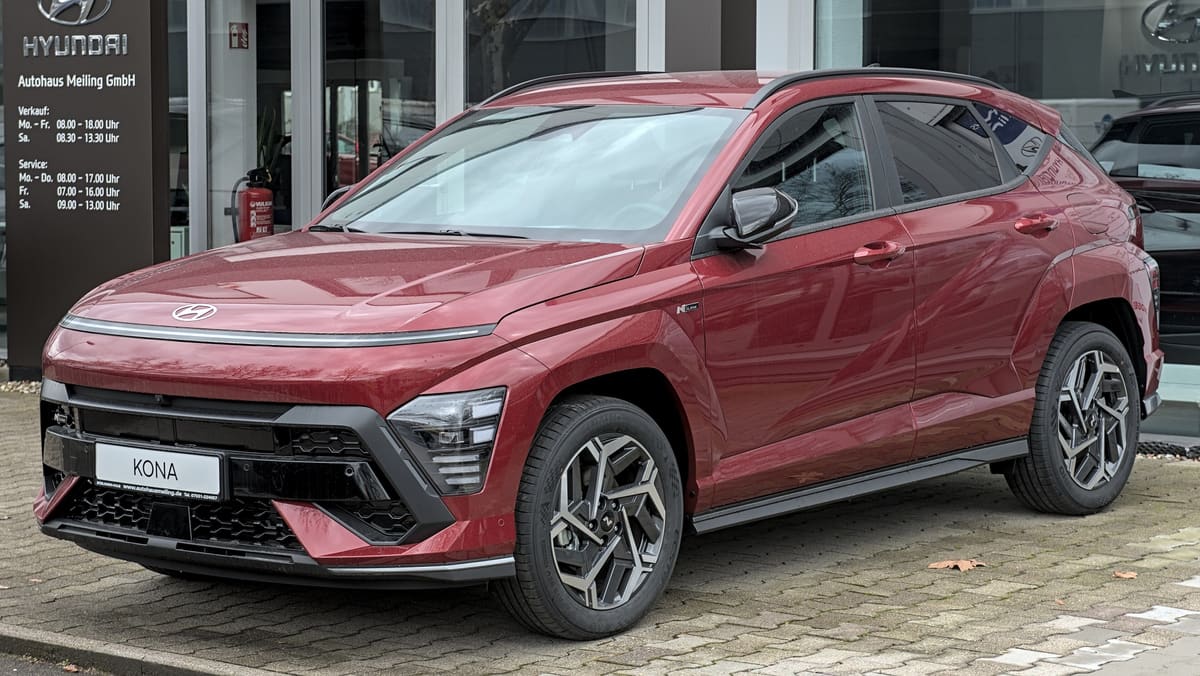
The Hyundai Kona is generally well-regarded for its stylish design and practicality, but like any vehicle, it can experience issues. Common problems include electrical faults, suspension wear, and engine performance concerns. This article outlines practical fixes for these common issues to help owners maintain their Kona effectively.
Electrical Issues
Many Hyundai Kona owners have reported electrical problems, particularly with the infotainment system and dashboard displays. These issues can manifest as unresponsive screens or intermittent faults in the vehicle’s electrical systems.
To address these problems, start by performing a soft reset of the infotainment system. This can often resolve minor glitches. If the issue persists, check for software updates from Hyundai, as manufacturers frequently release patches to fix bugs. If the dashboard displays continue to malfunction, it may be necessary to inspect the vehicle’s fuses and wiring for any signs of damage or corrosion.
Suspension Wear
Suspension issues are another common concern for Hyundai Kona owners, particularly those who frequently drive on uneven roads. Symptoms may include a rough ride, unusual noises when driving over bumps, or uneven tyre wear.
To fix suspension problems, first, inspect the shock absorbers and struts for leaks or damage. If any components appear worn, replacing them can significantly improve ride quality. Regularly checking tyre pressure and alignment can also help prevent premature wear on suspension parts. If you notice any unusual noises, it may be wise to consult a mechanic for a thorough inspection.
Engine Performance Concerns
Some Kona owners have experienced engine performance issues, such as reduced power or unusual noises. These problems can stem from a variety of sources, including fuel system issues or air intake problems.
To troubleshoot engine performance, start by checking the air filter and fuel filter for clogs. A clean air filter ensures proper airflow, while a clean fuel filter allows for optimal fuel delivery. If the engine continues to perform poorly, consider having the vehicle’s diagnostic system scanned for error codes. This can help pinpoint specific issues that may require professional attention.
Brake Problems
Braking issues can be a significant safety concern for any vehicle, including the Hyundai Kona. Owners have reported problems such as squeaking brakes, reduced braking efficiency, or a spongy brake pedal.
To address brake problems, begin by inspecting the brake pads and discs for wear. If the pads are worn down, replacing them is essential for maintaining effective braking performance. Additionally, check the brake fluid level and condition; if the fluid appears dirty or low, a brake fluid change may be necessary. If problems persist, it is advisable to have a professional mechanic inspect the braking system for any underlying issues.
Tyre Wear and Alignment
Uneven tyre wear is a common issue that can affect the Hyundai Kona’s handling and fuel efficiency. Factors contributing to this problem include improper alignment, insufficient tyre pressure, or worn suspension components.
To combat uneven tyre wear, regularly check and maintain proper tyre pressure, as under-inflated tyres can lead to premature wear. Additionally, have the vehicle’s wheel alignment checked periodically, especially after hitting a kerb or pothole. If uneven wear is detected, rotating the tyres can help extend their lifespan. If issues persist, consult a professional to assess the suspension and alignment.
Air Conditioning Problems
Air conditioning issues can be particularly frustrating, especially during the warmer months. Some Hyundai Kona owners have reported that their air conditioning systems do not cool effectively or produce strange smells.
To troubleshoot air conditioning problems, start by checking the cabin air filter for clogs. A clean filter allows for better airflow and can improve cooling efficiency. If the system is still not functioning properly, inspect the refrigerant levels; low refrigerant can hinder cooling performance. If necessary, a professional can recharge the system and check for leaks, ensuring that your air conditioning operates effectively.
By addressing these common issues with practical fixes, Hyundai Kona owners can enhance their driving experience and maintain their vehicle’s performance. Regular maintenance and timely repairs can prevent minor problems from escalating into more significant concerns, ensuring that your Kona remains reliable for years to come.
Hyundai Kona recall record
14 recalls have been issued for the Hyundai Kona, between 2019 and 2026.
Some vehicles fitted with a high voltage battery may have internal cell voltage deviation
R/2026/128Issued 4 May 2026
Some vehicles fitted with a high voltage battery may have internal cell voltage deviation. If this occurs it may result in the risk of an electrical short circuit inside the battery. Until the high voltage battery software has been updated we recommend the vehicle to be parked in a well ventilated area. The vehicle can be used as normal.
Remedy:Hyundai has launched a Safety Recall to update the battery management system (BMS) software.
Affects cars built Jan 2018 to Jul 2023
Some vehicles may have an instrument cluster operational concern whilst driving the vehicle
R/2026/146Issued 2 April 2026
Some vehicles may face a concern where the instrument cluster panel may reboot during vehicle operation potentially resulting in a blank instrument cluster display screen.
Remedy:To correct this an ‘Over the Air ‘ software update to the vehicles will be deployed remotely.
Affects cars built Jul 2025 to Nov 2025
The subject vehicles may experience a transmission malfunction resulting in a loss of drive.
R/2024/172Issued 20 May 2024
On affected vehicles they may experience a transmission malfunction resulting in a loss of drive
Remedy:On all affected vehicles the transmission control unit software will be updated
Affects cars built Apr 2023 to Dec 2023
A risk of electrical short circuit within the engine compartment during a vehicle collision
R/2024/154Issued 29 April 2024
On affected vehicles a risk of an electrical short circuit within the engine compartment during a collision
Remedy:On affected vehicles crush shields will be installed to protect the wiring
Affects cars built Apr 2023 to Dec 2023
10 older recalls not shown.
A recall applies to a build range, not to every car of this model. Check a registration to see whether one specific vehicle has an outstanding recall.
Hyundai Kona MOT record
From 61,435 recorded MOT tests, 10.2% failed.
| Registered | Tests | Failed | Median mileage |
|---|---|---|---|
| 2023 | 1,011 | 9.0% | 24,220 mi |
| 2022 | 16,848 | 8.9% | 22,255 mi |
| 2021 | 16,107 | 10.2% | 30,980 mi |
| 2020 | 11,718 | 11.0% | 35,495 mi |
| 2019 | 8,742 | 10.8% | 39,026 mi |
| 2018 | 6,592 | 11.2% | 44,406 mi |
| 2017 | 417 | 12.7% | 48,147 mi |
Most common reasons for failure
- A tyre seriously damaged37.3%
- Tyre tread depth not in accordance with the requirements30.5%
- a brake lining or pad worn below 1.5mm11.7%
- Wiper blade missing or obviously not clearing the windscreen10.5%
- Brake disc or drum excessively weakened, insecure or fractured10.0%
Figures cover every Hyundai Kona tested in the DVSA dataset, not this specific car. Check a registration for the actual history of one vehicle.
Hyundai Kona official figures
Median across 82 variants on sale, electricity, petrol, petrol electric.
- Combined economy
- 47.9 mpg
- WLTP median across variants
- CO2 emissions
- 135 g/km
- Sets the first-year tax rate
- Electric range
- 291 miles
- Manufacturer WLTP figure
Official figures for new cars. Real economy varies with driving, load and conditions.
Frequently asked questions
What common issues should I look for in a Hyundai Kona?
Common issues with the Hyundai Kona include electrical problems, issues with the infotainment system, and occasional suspension noise. It's advisable to check for any recalls or service bulletins related to these problems.
How can I find out if my Hyundai Kona has any outstanding recalls?
Recalls are issued against individual vehicles rather than a model as a whole, so a model-level yes or no would be guesswork. Enter the registration on Honest Car Check and we check the DVSA record for that specific car. Where DVSA holds no status, confirm it with a franchised dealer using the VIN.
What are the recommended maintenance checks for a Hyundai Kona?
Regular maintenance checks for a Hyundai Kona include oil changes, brake inspections, and tyre rotations. It is also important to check the battery and fluid levels regularly.
Is it expensive to repair a Hyundai Kona?
Repair costs for a Hyundai Kona can vary depending on the issue and the garage you choose. Generally, Hyundai vehicles are known for their reliability, which can help keep repair costs lower.
How do I know if my Hyundai Kona needs new brakes?
Signs that your Hyundai Kona may need new brakes include squeaking or grinding noises, a spongy brake pedal, or the vehicle pulling to one side when braking. If you notice any of these symptoms, it is best to have them checked by a professional.
What should I do if my Hyundai Kona's warning lights come on?
If warning lights appear on your Hyundai Kona's dashboard, it is important to consult the owner's manual for guidance. If the light indicates a serious issue, you should have the vehicle inspected by a qualified mechanic as soon as possible.
Can I perform my own maintenance on a Hyundai Kona?
Yes, you can perform basic maintenance tasks on your Hyundai Kona, such as changing the oil or replacing air filters. However, for more complex repairs, it is recommended to seek professional assistance to ensure safety and compliance with warranty requirements.
Sources
- DVSA anonymised MOT tests and results (Open Government Licence v3.0)
- VCA new car fuel consumption and emissions data (Open Government Licence v3.0)
- DVSA vehicle safety recalls (Open Government Licence v3.0)