Buying guide
Buying a used Saab 9-3: what to check before you pay
A complete used-buyer checklist for the Saab 9-3. Engine, gearbox, electrics, paperwork.
Updated 23rd June 2026 DVSA data: Across 31,560 recorded MOT tests, 31.0% failed.
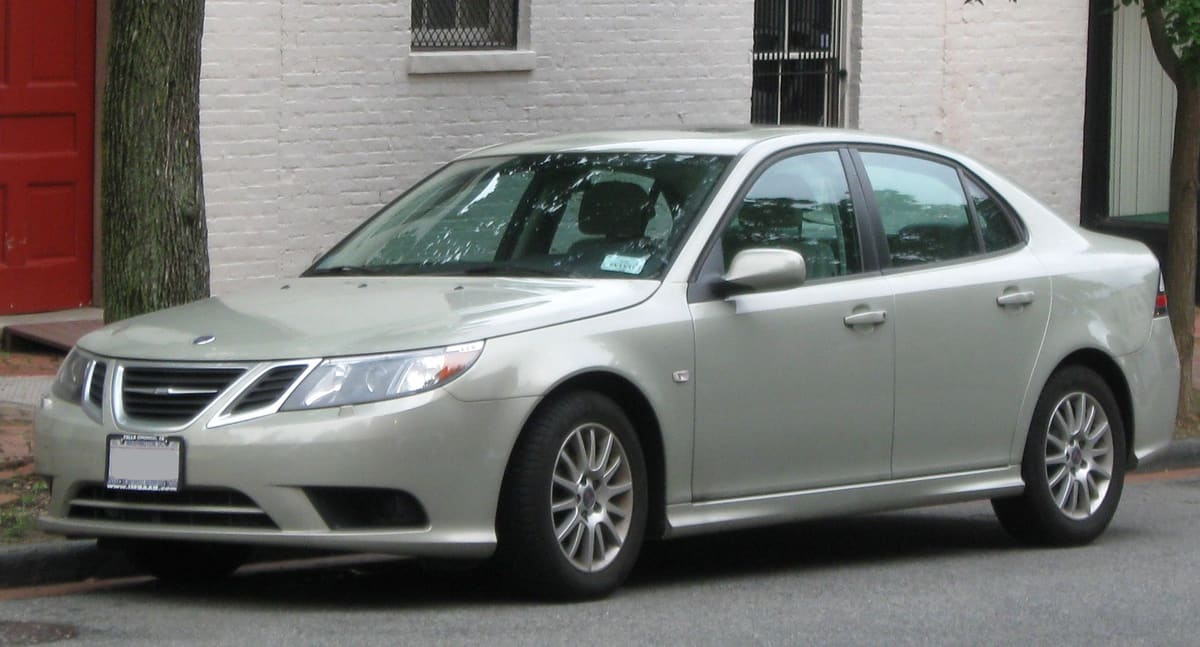
The Saab 9-3 is a stylish and practical choice for those seeking a used car with character. Before purchasing, it is essential to consider its reliability, common issues, and maintenance history.
Understanding the Saab 9-3 Variants
The Saab 9-3 comes in various body styles, including saloon, convertible, and estate, with different engine options. Each variant has its unique appeal, so consider your needs when choosing. The saloon is ideal for families, while the convertible offers a more spirited driving experience.
The 9-3 has undergone several updates since its launch in 1998, with the second generation introduced in 2002. The later models, particularly those produced after 2007, feature improved technology and safety features. Familiarise yourself with the specific model year you are considering, as this can impact reliability and resale value.
Common Issues to Look Out For
While the Saab 9-3 is generally a reliable vehicle, some common issues have been reported. These include electrical problems, turbocharger failures, and suspension wear. It’s crucial to check for any warning lights on the dashboard, as these may indicate underlying issues.
Inspect the vehicle’s service history for any previous repairs related to these common problems. A well-documented history can provide peace of mind and help you avoid potential pitfalls. Additionally, consider having a trusted mechanic perform a pre-purchase inspection to identify any hidden issues.
Checking the Service History
A comprehensive service history is vital when buying a used Saab 9-3. Ensure that regular maintenance has been carried out, including oil changes, brake replacements, and timing belt changes. A car with a full service history is more likely to have been well cared for.
Look for evidence of work done by reputable garages, ideally those specialising in Saabs. This can indicate that the previous owner took the vehicle’s maintenance seriously. If the service history is incomplete or missing, it may be a red flag, suggesting potential neglect.
Assessing the Vehicle’s Condition
Before finalising your purchase, thoroughly inspect the vehicle’s condition. Look for signs of rust, particularly around the wheel arches and undercarriage, as this can be a common issue with older models. Check the paintwork for any inconsistencies, which may indicate previous accidents or poor repairs.
Inside the vehicle, examine the upholstery for wear and tear, especially in high-use areas like the driver’s seat. Ensure all electronic features, such as the air conditioning and infotainment system, are functioning correctly. A well-maintained interior often reflects the overall care given to the vehicle.
Understanding the Running Costs
Owning a Saab 9-3 can be cost-effective, but it’s essential to understand the running costs involved. Fuel economy varies by engine type, with diesel models generally offering better efficiency. Check the vehicle’s MPG ratings to gauge its fuel consumption.
Insurance costs can also vary, so obtain quotes from multiple providers to find the best deal. Additionally, consider the potential costs of parts and servicing, as some components may be pricier due to the brand’s niche status. Researching these factors can help you budget effectively for ownership.
Test Driving the Saab 9-3
A test drive is crucial to ensure the Saab 9-3 meets your expectations. Pay attention to how the car handles, accelerates, and brakes. Listen for any unusual noises, particularly from the engine or suspension, which could indicate underlying issues.
During the drive, test various features, such as the steering response and gearbox smoothness. Ensure that the vehicle feels comfortable and suits your driving style. A thorough test drive can help you determine if the car is the right fit for you.
Final Considerations Before Purchase
Before making a final decision, consider the vehicle’s market value and compare it with similar models. This can help you negotiate a fair price. Additionally, check for any outstanding finance on the vehicle, as this could lead to complications later.
If possible, obtain a vehicle history report to ensure there are no hidden issues, such as previous accidents or outstanding recalls. Taking these final steps can help you make a confident and informed purchase.
By following this full checklist, you can ensure that your used Saab 9-3 purchase is a sound investment, providing you with a reliable and enjoyable driving experience for years to come.
Saab 9-3 recall record
10 recalls have been issued for the Saab 9-3, between 2002 and 2010.
RIGHT HAND FRONT SEAT MAY NOT LOCK CORRECTLY
R/2010/213Issued 3 December 2010
It has been established that due to a process problem at a sub supplier the right hand side front seat recliner mechanism may fail. This will result in that the back-rest can't be moved back into the locking position. The condition is very obvious but if ignored and the vehicle is involved in a crash the seat belt which is integral to the seat structure will not restrain the occupant as designed.
Remedy:The seat should be inspected and if necessary replaced.
HANDBRAKE MAY FAIL
R/2007/170Issued 17 December 2007
It has been identified that due to a manufacturing deviation the handbrake cables on certain 9-3s may deform under load. Should this occur a reduced or non-existent handbrake force will ensue.
Remedy:Recalled vehicles will have the handbrake cables replaced with quality assured items.
REDUCED BRAKING PERFORMANCE
R/2006/047Issued 17 May 2006
It has been identified that under certain conditions a valve within the brake servo may have a shortened service life due to high ambient and engine bay temperatures. This could affect the functioning of the servo resulting in reduced braking performance
Remedy:Recalled vehicles will have the subject valve checked and replaced if necessary.
Affects cars built Jul 2002 to Mar 2005
REAR AXLE HUB MAY NOT BE TO SPECIFICATION
R/2005/167Issued 3 January 2006
The hardening process applied to the rear wheel bearing inner ring may be incorrect. There is a possibility that a rumbling noise may become apparent which if not checked could in extreme circumstances result in the detachment of the hub and severely impaired road holding/handling.
Remedy:Recall the vehicles that are likely to be affected and check the date stamp on the rear wheel hubs. Where necessary replace the hub bearing assembly.
6 older recalls not shown.
A recall applies to a build range, not to every car of this model. Check a registration to see whether one specific vehicle has an outstanding recall.
Saab 9-3 MOT record
From 31,560 recorded MOT tests, 31.0% failed.
| Registered | Tests | Failed | Median mileage |
|---|---|---|---|
| 2011 | 2,179 | 30.1% | 111,374 mi |
| 2010 | 3,141 | 30.7% | 110,090 mi |
| 2009 | 3,244 | 30.7% | 111,788 mi |
| 2008 | 4,922 | 31.2% | 121,194 mi |
| 2007 | 5,667 | 31.3% | 114,510 mi |
| 2006 | 4,350 | 32.0% | 113,611 mi |
| 2005 | 2,804 | 32.7% | 111,677 mi |
| 2004 | 1,832 | 33.8% | 110,482 mi |
Most common reasons for failure
- A suspension pin, bush or joint excessively worn23.3%
- Tyre tread depth not in accordance with the requirements21.9%
- A suspension component excessively damaged or corroded19.2%
- A spring or spring component fractured or seriously weakened18.3%
- A tyre seriously damaged17.3%
Figures cover every Saab 9-3 tested in the DVSA dataset, not this specific car. Check a registration for the actual history of one vehicle.
Frequently asked questions
What should I look for when buying a used Saab 9-3?
Check the service history to ensure regular maintenance has been carried out. Look for signs of rust, especially around the wheel arches and under the car. Also, inspect the interior for wear and tear.
Are there any common issues with the Saab 9-3?
Yes, some common issues include electrical problems, turbocharger failures, and suspension wear. It's advisable to have a trusted mechanic inspect the vehicle before purchase.
What is the fuel economy like for the Saab 9-3?
Fuel economy varies depending on the engine type, but generally, the Saab 9-3 offers reasonable efficiency for its class. Check the specific model's figures to get a better idea.
Is the Saab 9-3 a reliable car?
The Saab 9-3 is generally considered reliable, but like any used car, its dependability depends on how well it has been maintained. Look for a model with a good service history.
What are the insurance costs like for a Saab 9-3?
Insurance costs can vary based on the model and your personal circumstances. It's best to get quotes from several insurers to find the best deal.
How does the Saab 9-3 perform in terms of safety?
The Saab 9-3 has a good safety record, with features like multiple airbags and stability control. Check for the specific safety ratings of the model you are considering.
What are the best models of the Saab 9-3 to consider?
The later models, particularly those produced after 2007, tend to have better features and reliability. Look for models with a full service history for added peace of mind.
Can I find spare parts easily for the Saab 9-3?
Spare parts for the Saab 9-3 can be found, but availability may vary. It's advisable to check with local suppliers or online retailers for specific parts.
Sources
- DVSA anonymised MOT tests and results (Open Government Licence v3.0)
- DVSA vehicle safety recalls (Open Government Licence v3.0)