Common problems
Saab 9-3 common problems and reliability issues
Honest rundown of the most common Saab 9-3 faults, what to watch for, and how to keep one running well.
Updated 23rd June 2026 DVSA data: Across 31,560 recorded MOT tests, 31.0% failed.
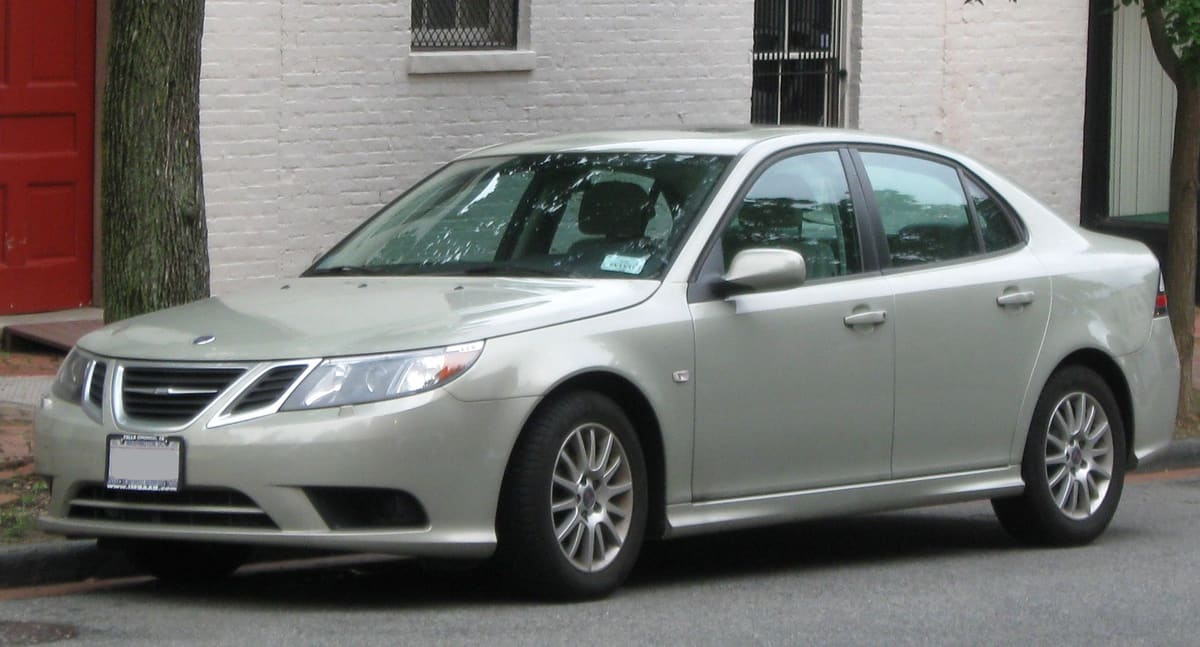
The Saab 9-3 is known for its unique design and driving experience, but it does come with its share of common issues. Potential buyers should be aware of faults related to the electrical system, engine, transmission, suspension, and bodywork. Understanding these problems can help in making a confident decision.
Electrical System Issues
One of the most frequently reported problems with the Saab 9-3 involves its electrical system. Owners have noted issues with the central locking system, dashboard warning lights, and the ignition switch. These electrical gremlins can lead to frustrating experiences, particularly when they affect the car’s starting capabilities.
Faulty wiring and connections can cause intermittent faults, which may be difficult to diagnose. Additionally, the battery can drain quickly if the electrical system is not functioning properly. Regular checks of the electrical components and connections can help mitigate these issues.
Engine Problems
The Saab 9-3 has been known to experience various engine-related problems, particularly with the turbocharged variants. Common complaints include oil leaks, excessive oil consumption, and issues with the turbocharger itself. These problems can lead to significant repair costs if not addressed promptly.
The engine management system may also throw up warning lights, indicating potential issues with sensors or the fuel system. Regular servicing and using high-quality oil can help prolong engine life and performance. Owners should be vigilant about monitoring oil levels and addressing leaks as soon as they are detected.
Transmission Faults
Transmission issues are another area of concern for Saab 9-3 owners. Automatic transmissions, in particular, have been reported to exhibit erratic shifting behaviour or slipping. These symptoms can indicate low transmission fluid levels or more serious internal problems.
Manual transmissions can also develop faults, such as difficulty engaging gears or clutch issues. Regular maintenance, including fluid changes and inspections, can help prevent these problems from escalating. It’s advisable to listen for unusual noises or changes in shifting patterns, as these can be early warning signs.
Suspension and Steering Problems
The suspension system of the Saab 9-3 is often cited for its wear and tear, particularly on older models. Common issues include worn shock absorbers, broken springs, and damaged bushings. These problems can lead to a compromised ride quality and handling performance.
Steering issues may also arise, with some drivers reporting heavy steering or a lack of responsiveness. Regular checks of the suspension components can help identify wear before it becomes a safety concern. Addressing these issues early can improve both comfort and safety on the road.
Bodywork and Rust
Bodywork problems, particularly rust, are a common issue with the Saab 9-3. Areas prone to rust include the wheel arches, sills, and undercarriage. This can be exacerbated by the UK’s wet climate and road salt, which can accelerate corrosion.
Regular inspections and prompt repairs of any paint chips or scratches can help prevent rust from taking hold. Additionally, keeping the vehicle clean and protected with wax can provide an extra layer of defence against the elements. Owners should pay particular attention to any signs of bubbling paint or rust spots.
Interior and Comfort Issues
While the Saab 9-3 is generally well-regarded for its interior comfort, some common issues have been reported. Drivers have noted problems with the seat mechanisms, particularly in models with electric adjustments. Additionally, the quality of materials used in some areas may not hold up well over time.
Infotainment systems can also be problematic, with issues ranging from malfunctioning displays to connectivity problems. Regular software updates and careful handling of electronic components can help maintain functionality. Ensuring that the interior is kept clean and free from moisture can also prolong the life of various components.
Saab 9-3 recall record
10 recalls have been issued for the Saab 9-3, between 2002 and 2010.
RIGHT HAND FRONT SEAT MAY NOT LOCK CORRECTLY
R/2010/213Issued 3 December 2010
It has been established that due to a process problem at a sub supplier the right hand side front seat recliner mechanism may fail. This will result in that the back-rest can't be moved back into the locking position. The condition is very obvious but if ignored and the vehicle is involved in a crash the seat belt which is integral to the seat structure will not restrain the occupant as designed.
Remedy:The seat should be inspected and if necessary replaced.
HANDBRAKE MAY FAIL
R/2007/170Issued 17 December 2007
It has been identified that due to a manufacturing deviation the handbrake cables on certain 9-3s may deform under load. Should this occur a reduced or non-existent handbrake force will ensue.
Remedy:Recalled vehicles will have the handbrake cables replaced with quality assured items.
REDUCED BRAKING PERFORMANCE
R/2006/047Issued 17 May 2006
It has been identified that under certain conditions a valve within the brake servo may have a shortened service life due to high ambient and engine bay temperatures. This could affect the functioning of the servo resulting in reduced braking performance
Remedy:Recalled vehicles will have the subject valve checked and replaced if necessary.
Affects cars built Jul 2002 to Mar 2005
REAR AXLE HUB MAY NOT BE TO SPECIFICATION
R/2005/167Issued 3 January 2006
The hardening process applied to the rear wheel bearing inner ring may be incorrect. There is a possibility that a rumbling noise may become apparent which if not checked could in extreme circumstances result in the detachment of the hub and severely impaired road holding/handling.
Remedy:Recall the vehicles that are likely to be affected and check the date stamp on the rear wheel hubs. Where necessary replace the hub bearing assembly.
6 older recalls not shown.
A recall applies to a build range, not to every car of this model. Check a registration to see whether one specific vehicle has an outstanding recall.
Saab 9-3 MOT record
From 31,560 recorded MOT tests, 31.0% failed.
| Registered | Tests | Failed | Median mileage |
|---|---|---|---|
| 2011 | 2,179 | 30.1% | 111,374 mi |
| 2010 | 3,141 | 30.7% | 110,090 mi |
| 2009 | 3,244 | 30.7% | 111,788 mi |
| 2008 | 4,922 | 31.2% | 121,194 mi |
| 2007 | 5,667 | 31.3% | 114,510 mi |
| 2006 | 4,350 | 32.0% | 113,611 mi |
| 2005 | 2,804 | 32.7% | 111,677 mi |
| 2004 | 1,832 | 33.8% | 110,482 mi |
Most common reasons for failure
- A suspension pin, bush or joint excessively worn23.3%
- Tyre tread depth not in accordance with the requirements21.9%
- A suspension component excessively damaged or corroded19.2%
- A spring or spring component fractured or seriously weakened18.3%
- A tyre seriously damaged17.3%
Figures cover every Saab 9-3 tested in the DVSA dataset, not this specific car. Check a registration for the actual history of one vehicle.
Frequently asked questions
What are the most common issues with the Saab 9-3?
Common issues with the Saab 9-3 include electrical faults, turbocharger problems, and suspension wear. Owners often report issues with the central locking system and dashboard warning lights.
How reliable is the Saab 9-3?
The Saab 9-3 is generally considered reliable, but like any car, it can experience problems as it ages. Regular maintenance and servicing can help mitigate potential issues.
Are there any known engine problems with the Saab 9-3?
Yes, some Saab 9-3 models have reported issues with the engine, particularly with oil leaks and turbo failure. It's important to check the service history for any previous engine repairs.
What should I check before buying a used Saab 9-3?
Before buying a used Saab 9-3, check for service history, look for signs of rust, and test the electrical systems. It's also wise to have a mechanic inspect the vehicle for any hidden issues.
Is the Saab 9-3 expensive to maintain?
Maintenance costs for the Saab 9-3 can vary, but some parts may be pricier due to the brand's niche market. Regular servicing can help keep costs manageable.
What are the signs of suspension problems in a Saab 9-3?
Signs of suspension problems include a bumpy ride, unusual noises when driving over bumps, and uneven tyre wear. If you notice these symptoms, it may be time to have the suspension checked.
How can I prevent common problems with the Saab 9-3?
To prevent common problems, ensure regular maintenance, use quality parts for repairs, and address any warning signs promptly. Keeping the vehicle clean and rust-free can also help prolong its life.
Sources
- DVSA anonymised MOT tests and results (Open Government Licence v3.0)
- DVSA vehicle safety recalls (Open Government Licence v3.0)