Reliability
Saab 9-3 reliability: how dependable is it really?
What Saab 9-3 owners actually report, by year, plus what MOT data tells us about its reliability.
Updated 4th September 2026 DVSA data: Across 31,560 recorded MOT tests, 31.0% failed.
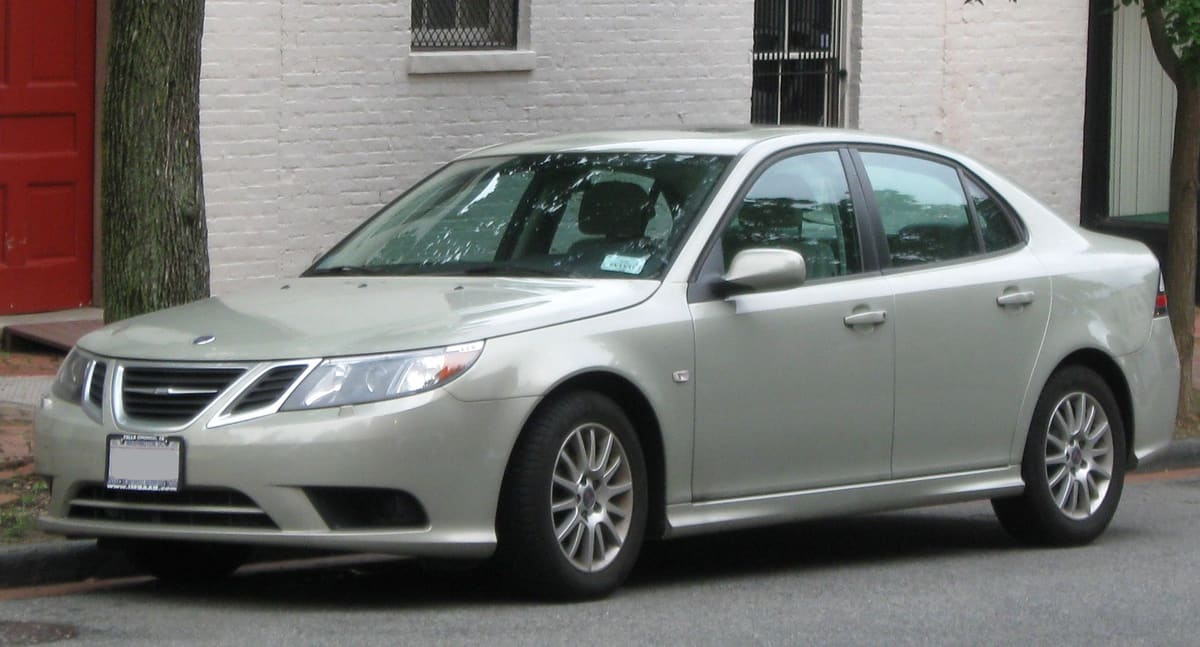
The Saab 9-3 is generally considered a reliable vehicle, although its dependability can vary by model year. Owners often report issues with specific components, but many also praise its durability and performance. Overall, the 9-3 remains a solid choice for those seeking a dependable used car.
Early Models (1998-2002)
The early models of the Saab 9-3, produced from 1998 to 2002, are often praised for their robust build quality and comfortable ride. However, some owners have reported issues with electrical systems and turbochargers. Despite these concerns, many drivers appreciate the vehicle’s unique design and driving experience.
The 1998-2002 models feature a range of engine options, including the reliable 2.0-litre turbocharged engine, which is known for its longevity. Regular maintenance can mitigate many of the common issues, ensuring these vehicles remain dependable over time. Owners should pay attention to the condition of the turbo and electrical components, as these can be costly to repair if neglected.
Mid-Generation Models (2003-2007)
The mid-generation Saab 9-3, produced from 2003 to 2007, saw improvements in reliability and overall performance. This period marked a shift towards a more modern design and updated technology, which contributed to a more dependable driving experience. However, some models have been reported to suffer from suspension and steering issues.
The introduction of the 1.9-litre diesel engine during this period has been well-received, known for its fuel efficiency and reliability. Owners have noted fewer problems with this engine compared to earlier petrol variants. Regular servicing and attention to the suspension components can help maintain the vehicle’s reliability, making it a good option for budget-conscious buyers.
Later Models (2008-2011)
The final generation of the Saab 9-3, produced from 2008 to 2011, is often regarded as the most reliable. With improved build quality and advanced technology, these models have fewer reported issues compared to their predecessors. However, some owners have experienced problems with the automatic transmission and electrical systems.
The 2008-2011 models also feature updated safety technology, which enhances their appeal. The engines, particularly the 2.0-litre turbo petrol and 1.9-litre diesel, are generally robust and perform well with regular maintenance. Potential buyers should look for a full service history to ensure the vehicle has been well cared for, particularly regarding transmission fluid changes.
Common Issues Across All Models
While the Saab 9-3 is generally reliable, certain issues are common across various model years. Electrical faults, particularly with the central locking and dashboard displays, have been reported by owners. Additionally, turbocharger failure can occur, especially in older models that have not been maintained properly.
Regular maintenance is key to avoiding these issues. Owners should ensure that the vehicle receives timely oil changes and that any warning lights are addressed promptly. Keeping an eye on the condition of the turbo and electrical systems can help prolong the life of the vehicle and maintain its reliability.
Owner Experiences and Feedback
Owner feedback on the Saab 9-3 varies, with many praising its unique character and driving dynamics. However, some have expressed frustration with the availability of parts and the cost of repairs, particularly for older models. The brand’s discontinuation has also raised concerns about long-term support and service availability.
Despite these challenges, many owners report high satisfaction levels with their 9-3s, citing their comfort and performance. The community of Saab enthusiasts often shares tips and advice, which can be invaluable for prospective buyers looking to maintain their vehicles. Engaging with fellow owners can provide insights into common issues and effective solutions.
Conclusion: Is the Saab 9-3 Right for You?
The Saab 9-3 offers a blend of reliability and unique character, making it an appealing choice for used car buyers. While certain model years have specific issues, overall, the 9-3 is a dependable vehicle when properly maintained. Prospective buyers should consider their budget for repairs and parts availability, but many find that the driving experience and comfort outweigh these concerns.
Saab 9-3 recall record
10 recalls have been issued for the Saab 9-3, between 2002 and 2010.
RIGHT HAND FRONT SEAT MAY NOT LOCK CORRECTLY
R/2010/213Issued 3 December 2010
It has been established that due to a process problem at a sub supplier the right hand side front seat recliner mechanism may fail. This will result in that the back-rest can't be moved back into the locking position. The condition is very obvious but if ignored and the vehicle is involved in a crash the seat belt which is integral to the seat structure will not restrain the occupant as designed.
Remedy:The seat should be inspected and if necessary replaced.
HANDBRAKE MAY FAIL
R/2007/170Issued 17 December 2007
It has been identified that due to a manufacturing deviation the handbrake cables on certain 9-3s may deform under load. Should this occur a reduced or non-existent handbrake force will ensue.
Remedy:Recalled vehicles will have the handbrake cables replaced with quality assured items.
REDUCED BRAKING PERFORMANCE
R/2006/047Issued 17 May 2006
It has been identified that under certain conditions a valve within the brake servo may have a shortened service life due to high ambient and engine bay temperatures. This could affect the functioning of the servo resulting in reduced braking performance
Remedy:Recalled vehicles will have the subject valve checked and replaced if necessary.
Affects cars built Jul 2002 to Mar 2005
REAR AXLE HUB MAY NOT BE TO SPECIFICATION
R/2005/167Issued 3 January 2006
The hardening process applied to the rear wheel bearing inner ring may be incorrect. There is a possibility that a rumbling noise may become apparent which if not checked could in extreme circumstances result in the detachment of the hub and severely impaired road holding/handling.
Remedy:Recall the vehicles that are likely to be affected and check the date stamp on the rear wheel hubs. Where necessary replace the hub bearing assembly.
6 older recalls not shown.
A recall applies to a build range, not to every car of this model. Check a registration to see whether one specific vehicle has an outstanding recall.
Saab 9-3 MOT record
From 31,560 recorded MOT tests, 31.0% failed.
| Registered | Tests | Failed | Median mileage |
|---|---|---|---|
| 2011 | 2,179 | 30.1% | 111,374 mi |
| 2010 | 3,141 | 30.7% | 110,090 mi |
| 2009 | 3,244 | 30.7% | 111,788 mi |
| 2008 | 4,922 | 31.2% | 121,194 mi |
| 2007 | 5,667 | 31.3% | 114,510 mi |
| 2006 | 4,350 | 32.0% | 113,611 mi |
| 2005 | 2,804 | 32.7% | 111,677 mi |
| 2004 | 1,832 | 33.8% | 110,482 mi |
Most common reasons for failure
- A suspension pin, bush or joint excessively worn23.3%
- Tyre tread depth not in accordance with the requirements21.9%
- A suspension component excessively damaged or corroded19.2%
- A spring or spring component fractured or seriously weakened18.3%
- A tyre seriously damaged17.3%
Figures cover every Saab 9-3 tested in the DVSA dataset, not this specific car. Check a registration for the actual history of one vehicle.
Frequently asked questions
How reliable is the Saab 9-3 compared to other cars?
The Saab 9-3 is generally considered to be a reliable vehicle, with many owners reporting good longevity. However, like any car, its reliability can vary based on maintenance and driving habits.
What common issues should I look out for in a used Saab 9-3?
Common issues in used Saab 9-3 models include electrical problems, turbocharger failures, and suspension wear. It's advisable to have a thorough inspection before purchasing.
Are parts for the Saab 9-3 easy to find?
Parts for the Saab 9-3 can be somewhat harder to find compared to more mainstream brands, but many suppliers and online retailers still stock them. It's worth checking availability before making a purchase.
What is the average lifespan of a Saab 9-3?
With proper maintenance, a Saab 9-3 can last well over 150,000 miles. Regular servicing and care are key to achieving a long lifespan.
Is the Saab 9-3 expensive to maintain?
Maintenance costs for the Saab 9-3 can be moderate, depending on the model and age. Some owners find that certain repairs can be pricier due to the brand's niche status.
How does the Saab 9-3 perform in terms of fuel efficiency?
The fuel efficiency of the Saab 9-3 varies by engine type, but many models offer decent mileage for their class. It's advisable to check specific engine specs for more accurate figures.
Are there any recalls on the Saab 9-3 I should be aware of?
Recalls are issued against individual vehicles rather than a model as a whole, so a model-level yes or no would be guesswork. Enter the registration on Honest Car Check and we check the DVSA record for that specific car. Where DVSA holds no status, confirm it with a franchised dealer using the VIN.
Sources
- DVSA anonymised MOT tests and results (Open Government Licence v3.0)
- DVSA vehicle safety recalls (Open Government Licence v3.0)