MOT failure rates
Saab 9-3 MOT failure rates: what to expect
What fails on a Saab 9-3 at MOT, how often, and what each fix typically costs.
Updated 4th September 2026 DVSA data: Across 31,560 recorded MOT tests, 31.0% failed.
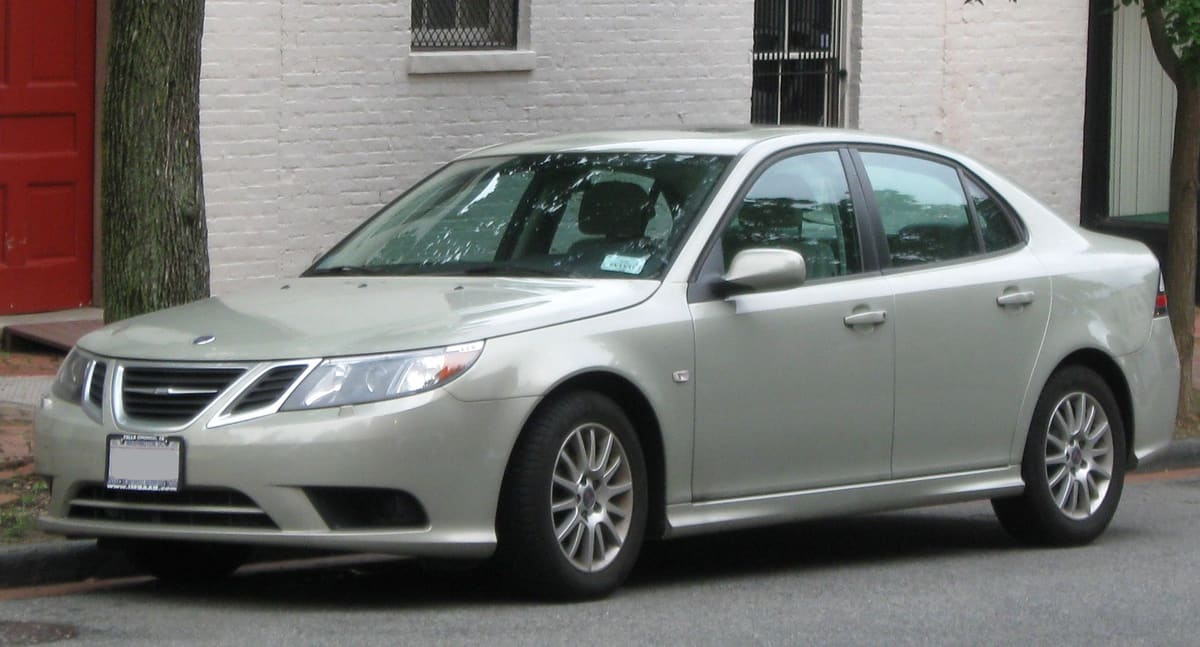
The Saab 9-3 often faces several common issues during its MOT test, with the most frequent failures being related to suspension components, emissions, and lighting. Addressing these problems can vary in cost, but understanding them can help prepare owners for potential repairs.
Suspension Issues
One of the most common reasons the Saab 9-3 fails its MOT is due to suspension problems, particularly worn-out shock absorbers and bushings. These components are crucial for maintaining ride comfort and vehicle handling.
Regular checks and maintenance can help mitigate these issues before the MOT.
Emissions Failures
Another frequent MOT failure for the Saab 9-3 is related to emissions. This can be caused by a malfunctioning catalytic converter, oxygen sensors, or exhaust leaks. The emissions test is strict, and any failure can result in the vehicle being deemed unroadworthy.
Regular servicing and ensuring the vehicle runs optimally can help prevent emissions-related failures.
Lighting and Electrical Failures
Lighting issues are a common MOT failure point for the Saab 9-3. Problems often arise from faulty bulbs, damaged wiring, or malfunctioning switches. Ensuring that all lights, including headlights, brake lights, and indicators, are functioning correctly is essential for passing the MOT.
Regularly checking the vehicle’s lights can help avoid last-minute repairs before the MOT.
Brake System Deficiencies
The brake system is another critical area where the Saab 9-3 may fail its MOT. Common issues include worn brake pads, discs, or leaks in the brake lines. A well-functioning brake system is vital for safety, and any deficiencies will be flagged during the test.
Regular inspections of the brake system can help identify issues early and ensure safe driving.
Tyre Condition and Tread Depth
Tyres are a significant factor in MOT testing, and the Saab 9-3 is no exception. Common failures arise from insufficient tread depth, uneven wear, or damage to the sidewalls. The legal minimum tread depth is 1.6mm, and anything below this will result in an automatic failure.
Regular checks of tyre condition and pressure can help maintain safety and compliance with MOT standards.
Steering and Alignment Problems
Steering issues can also lead to MOT failures for the Saab 9-3. Problems can stem from worn steering components, such as tie rods or the steering rack. These issues can affect vehicle handling and safety, making them critical to address.
Regular alignment checks and steering inspections can help prevent these issues from arising.
By being aware of these common MOT failures and their associated costs, Saab 9-3 owners can take proactive steps to maintain their vehicles and ensure they pass their MOT tests with ease. Regular maintenance and timely repairs can save money and enhance safety on the road.
Saab 9-3 recall record
10 recalls have been issued for the Saab 9-3, between 2002 and 2010.
RIGHT HAND FRONT SEAT MAY NOT LOCK CORRECTLY
R/2010/213Issued 3 December 2010
It has been established that due to a process problem at a sub supplier the right hand side front seat recliner mechanism may fail. This will result in that the back-rest can't be moved back into the locking position. The condition is very obvious but if ignored and the vehicle is involved in a crash the seat belt which is integral to the seat structure will not restrain the occupant as designed.
Remedy:The seat should be inspected and if necessary replaced.
HANDBRAKE MAY FAIL
R/2007/170Issued 17 December 2007
It has been identified that due to a manufacturing deviation the handbrake cables on certain 9-3s may deform under load. Should this occur a reduced or non-existent handbrake force will ensue.
Remedy:Recalled vehicles will have the handbrake cables replaced with quality assured items.
REDUCED BRAKING PERFORMANCE
R/2006/047Issued 17 May 2006
It has been identified that under certain conditions a valve within the brake servo may have a shortened service life due to high ambient and engine bay temperatures. This could affect the functioning of the servo resulting in reduced braking performance
Remedy:Recalled vehicles will have the subject valve checked and replaced if necessary.
Affects cars built Jul 2002 to Mar 2005
REAR AXLE HUB MAY NOT BE TO SPECIFICATION
R/2005/167Issued 3 January 2006
The hardening process applied to the rear wheel bearing inner ring may be incorrect. There is a possibility that a rumbling noise may become apparent which if not checked could in extreme circumstances result in the detachment of the hub and severely impaired road holding/handling.
Remedy:Recall the vehicles that are likely to be affected and check the date stamp on the rear wheel hubs. Where necessary replace the hub bearing assembly.
6 older recalls not shown.
A recall applies to a build range, not to every car of this model. Check a registration to see whether one specific vehicle has an outstanding recall.
Saab 9-3 MOT record
From 31,560 recorded MOT tests, 31.0% failed.
| Registered | Tests | Failed | Median mileage |
|---|---|---|---|
| 2011 | 2,179 | 30.1% | 111,374 mi |
| 2010 | 3,141 | 30.7% | 110,090 mi |
| 2009 | 3,244 | 30.7% | 111,788 mi |
| 2008 | 4,922 | 31.2% | 121,194 mi |
| 2007 | 5,667 | 31.3% | 114,510 mi |
| 2006 | 4,350 | 32.0% | 113,611 mi |
| 2005 | 2,804 | 32.7% | 111,677 mi |
| 2004 | 1,832 | 33.8% | 110,482 mi |
Most common reasons for failure
- A suspension pin, bush or joint excessively worn23.3%
- Tyre tread depth not in accordance with the requirements21.9%
- A suspension component excessively damaged or corroded19.2%
- A spring or spring component fractured or seriously weakened18.3%
- A tyre seriously damaged17.3%
Figures cover every Saab 9-3 tested in the DVSA dataset, not this specific car. Check a registration for the actual history of one vehicle.
Frequently asked questions
What is the Saab 9-3 MOT test?
The Saab 9-3 MOT test is an annual assessment required for vehicles over three years old in the UK. It checks the car's safety, roadworthiness, and emissions to ensure it meets legal standards.
How often does a Saab 9-3 need an MOT?
A Saab 9-3 needs an MOT test every 12 months once it is three years old. It is important to keep track of the expiry date to avoid penalties.
What are common reasons for a Saab 9-3 to fail its MOT?
Common reasons for a Saab 9-3 to fail its MOT include issues with brakes, lights, tyres, and emissions. Regular maintenance can help prevent these problems.
Can I drive my Saab 9-3 if it has failed the MOT?
You cannot legally drive your Saab 9-3 if it has failed its MOT unless you are taking it to a garage for repairs. It is advisable to arrange repairs promptly to avoid further issues.
How can I prepare my Saab 9-3 for its MOT?
To prepare your Saab 9-3 for its MOT, check the lights, brakes, and tyres, and ensure all fluids are topped up. It may also be helpful to have a mechanic perform a pre-MOT check.
What should I do if my Saab 9-3 passes the MOT?
If your Saab 9-3 passes the MOT, you will receive a certificate confirming its roadworthiness. Keep this document safe, as you will need it for future reference and when selling the vehicle.
How can I find a reliable MOT centre for my Saab 9-3?
You can find a reliable MOT centre for your Saab 9-3 by checking online reviews, asking for recommendations from friends, or using the official government website to locate approved centres in your area.
Sources
- DVSA anonymised MOT tests and results (Open Government Licence v3.0)
- DVSA vehicle safety recalls (Open Government Licence v3.0)