Common problems
BMW i3 common problems and reliability issues
Honest rundown of the most common BMW i3 faults, what to watch for, and how to keep one running well.
Updated 23rd June 2026 DVSA data: Across 25,672 recorded MOT tests, 10.3% failed.
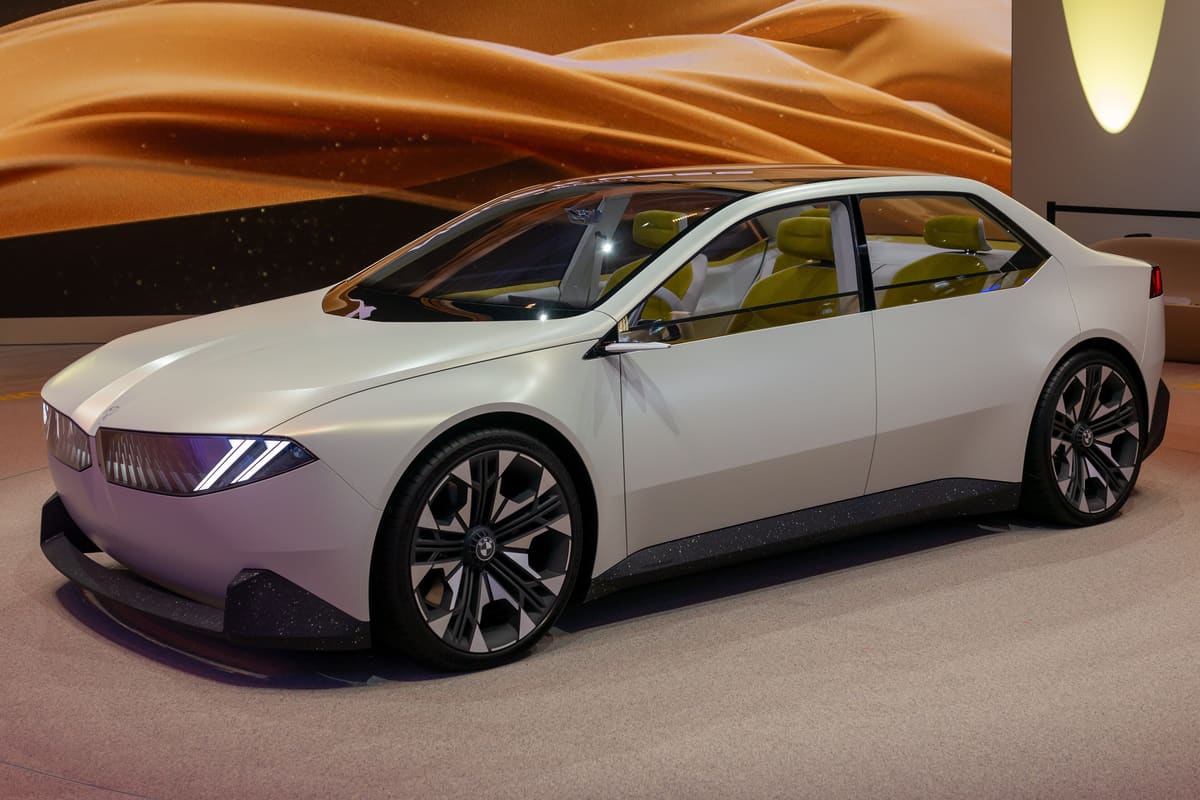
The BMW i3 is an innovative electric vehicle known for its unique design and eco-friendliness. Key issues typically arise in the electrical system, battery performance, drivetrain, and interior components.
Electrical System Issues
One of the most frequently reported problems with the BMW i3 involves its electrical system. Owners have experienced issues with the car’s onboard electronics, including malfunctioning displays and erratic behaviour of the infotainment system. These electrical faults can lead to frustrating driving experiences.
The i3’s complex electrical architecture may sometimes result in software glitches. Drivers have reported instances where the navigation system fails to respond or the dashboard displays incorrect information. Regular software updates from BMW can help mitigate these issues, but some owners may still face recurring problems.
Additionally, the 12V battery can be a point of concern. If the vehicle is not driven regularly, the battery can become depleted, leading to starting issues. Owners should ensure that the battery is maintained and charged to avoid this problem.
Battery Performance
Battery performance is critical for any electric vehicle, and the BMW i3 is no exception. While the i3’s battery is generally reliable, some users have reported a decline in range over time. This degradation can affect the car’s usability, especially for those who rely on it for longer journeys.
The i3’s battery management system is designed to optimise performance, but it may not always prevent capacity loss. Factors such as charging habits and environmental conditions can influence battery health. Owners are advised to follow best practices for charging and to avoid letting the battery drop to very low levels frequently.
Furthermore, some drivers have experienced issues with the charging port. Problems can arise with the connection to charging stations, leading to slow or failed charging. Regular inspection of the charging port can help identify any wear or damage before it becomes a significant issue.
Drivetrain Concerns
The drivetrain of the BMW i3 is generally robust, but there are a few common concerns that owners should be aware of. Some drivers have reported unusual noises coming from the electric motor or drivetrain components. These sounds can indicate underlying issues that may require attention.
Another concern is related to the regenerative braking system. While this feature is designed to enhance efficiency, some users have noted that it can feel inconsistent or overly aggressive. This behaviour can lead to a less comfortable driving experience, particularly in stop-and-go traffic.
Additionally, the i3’s unique rear-wheel drive layout can lead to tyre wear issues. Owners should monitor their tyres regularly and ensure they are rotated according to the manufacturer’s recommendations. Uneven wear can affect handling and safety.
Interior Component Problems
The interior of the BMW i3 is designed with sustainability in mind, but some components may not hold up as well as expected. Owners have reported issues with the quality of materials used in the cabin, particularly in the seating and trim areas. Wear and tear can occur more quickly than anticipated, leading to dissatisfaction.
The infotainment system, while innovative, can also be a source of frustration. Users have experienced slow response times and occasional system freezes. Keeping the software updated can help alleviate some of these problems, but it may not eliminate them entirely.
Furthermore, the climate control system has been noted for its inconsistent performance. Some drivers have reported that the air conditioning struggles to maintain a comfortable temperature, particularly in extreme weather conditions. Regular maintenance can help ensure that the system operates efficiently.
Suspension and Handling Issues
The BMW i3 features a unique suspension setup that contributes to its agile handling. However, some owners have reported issues with the suspension components, particularly the bushings and dampers. Over time, these parts can wear out, leading to a less comfortable ride and compromised handling.
Drivers may notice a decrease in ride quality or increased noise when driving over bumps or uneven surfaces. Regular inspections and timely replacement of worn components can help maintain the i3’s handling characteristics.
Additionally, the i3’s lightweight construction can make it sensitive to road imperfections. Owners should be mindful of tyre pressure and alignment to ensure optimal performance and safety. Proper maintenance can help prevent premature wear on suspension components.
Software and Connectivity Problems
As a modern electric vehicle, the BMW i3 relies heavily on software for various functions. Unfortunately, software-related issues have been reported by some owners. Problems can include connectivity issues with smartphones, navigation system errors, and difficulties with Bluetooth pairing.
The i3’s reliance on technology means that software updates are essential for maintaining functionality. Owners should regularly check for updates and ensure that their vehicle’s software is current. This can help resolve many of the connectivity issues that may arise.
Moreover, the car’s user interface can be unintuitive for some drivers. Navigating through menus and settings may not be as straightforward as expected, leading to frustration. Familiarising oneself with the system can help mitigate these challenges, but it may take time for new users to adjust.
By understanding these common problems associated with the BMW i3, potential buyers can make informed decisions and current owners can take proactive steps to maintain their vehicles. Regular maintenance and attention to detail can significantly enhance the ownership experience of this innovative electric car.
BMW i3 recall record
7 recalls have been issued for the BMW i3, between 2015 and 2022.
During supplier s production process of the battery cells a manufacturing defect occurred with the winding of cell-internal films for the high-voltage battery.
R/2022/322Issued 14 November 2022
During supplier�s production process of the battery cells a manufacturing defect occurred with the winding of cell-internal films for the high-voltage battery.
Remedy:The defective cell module will be replaced.
Affects cars built Nov 2018 to Jul 2021
THE MICRO GAS GENERATOR WITHIN THE FRONT SEATBELT'S RETRACTOR MAY HAVE BEEN DAMAGED
R/2022/089Issued 30 March 2022
The micro gas generator within the front seatbelt�s retractor may have been damaged and may not act according to the specification in the event of an accident.
Remedy:On the affected vehicles the front seatbelts will be checked and replaced if they are found to have been damaged
Affects cars built Jan 2022 to Feb 2022
THE MATERIAL QUALITY OF THE SCREWS USED FOR SEAT BELTS AND REAR SEATS MAY NOT BE TO SPECIFICATIONS.
R/2021/442Issued 29 December 2021
The material quality of seat and seatbelt screws may not be according to specification.
Remedy:On the affected vehicles the screws will be replaced in specific locations on the seat belts or rear seats.
Affects cars built Oct 2021 to Oct 2021
THE CONTROL RING OF THE BACKREST RECLINER IN THE SECOND SEAT ROW MAY BREAK
R/2021/158Issued 28 April 2021
The control ring of the recliner of the backrest in the second seat row may break due to insufficient material performance.
Remedy:On the affected vehicles the seat frames of the second seat row will be replaced.
Affects cars built Feb 2021 to Mar 2021
3 older recalls not shown.
A recall applies to a build range, not to every car of this model. Check a registration to see whether one specific vehicle has an outstanding recall.
BMW i3 MOT record
From 25,672 recorded MOT tests, 10.3% failed.
| Registered | Tests | Failed | Median mileage |
|---|---|---|---|
| 2022 | 2,848 | 7.3% | 17,558 mi |
| 2021 | 3,454 | 6.2% | 23,052 mi |
| 2020 | 4,027 | 8.5% | 28,281 mi |
| 2019 | 3,983 | 9.8% | 35,976 mi |
| 2018 | 3,054 | 9.2% | 43,542 mi |
| 2017 | 3,131 | 13.0% | 54,402 mi |
| 2016 | 2,136 | 14.7% | 57,050 mi |
| 2015 | 1,874 | 15.3% | 60,503 mi |
Most common reasons for failure
- A tyre seriously damaged40.0%
- Tyre tread depth not in accordance with the requirements34.6%
- Brake disc or drum excessively weakened, insecure or fractured11.9%
- A spring or spring component fractured or seriously weakened7.5%
- a brake lining or pad worn below 1.5mm6.0%
Figures cover every BMW i3 tested in the DVSA dataset, not this specific car. Check a registration for the actual history of one vehicle.
Frequently asked questions
What are the most common issues with the BMW i3?
Common issues with the BMW i3 include battery range concerns, electrical system faults, and problems with the infotainment system. Some owners also report issues with the brakes and suspension.
How reliable is the BMW i3?
The BMW i3 generally has a good reliability record, but like any vehicle, it can experience problems. Regular maintenance and checks can help mitigate potential issues.
Are there any known battery problems with the BMW i3?
Some BMW i3 owners have reported reduced battery capacity over time, which can affect range. It is advisable to check the battery health during a vehicle inspection.
What should I look for when buying a used BMW i3?
When buying a used BMW i3, check the battery condition, service history, and any signs of electrical issues. It's also wise to test the infotainment system and ensure all features are functioning.
Is the BMW i3 expensive to maintain?
Maintenance costs for the BMW i3 can vary, but they are generally comparable to other electric vehicles. Regular servicing and checks can help keep costs manageable.
How can I prevent common problems with the BMW i3?
To prevent common problems, ensure regular servicing and software updates are performed. Additionally, monitor battery health and address any warning lights promptly.
What are the signs of electrical issues in the BMW i3?
Signs of electrical issues in the BMW i3 may include dashboard warning lights, malfunctioning infotainment features, or problems with the charging system. If you notice any of these, it is best to seek professional help.
Sources
- DVSA anonymised MOT tests and results (Open Government Licence v3.0)
- DVSA vehicle safety recalls (Open Government Licence v3.0)