Reliability
BMW i3 reliability: how dependable is it really?
What BMW i3 owners actually report, by year, plus what MOT data tells us about its reliability.
Updated 4th September 2026 DVSA data: Across 25,672 recorded MOT tests, 10.3% failed.
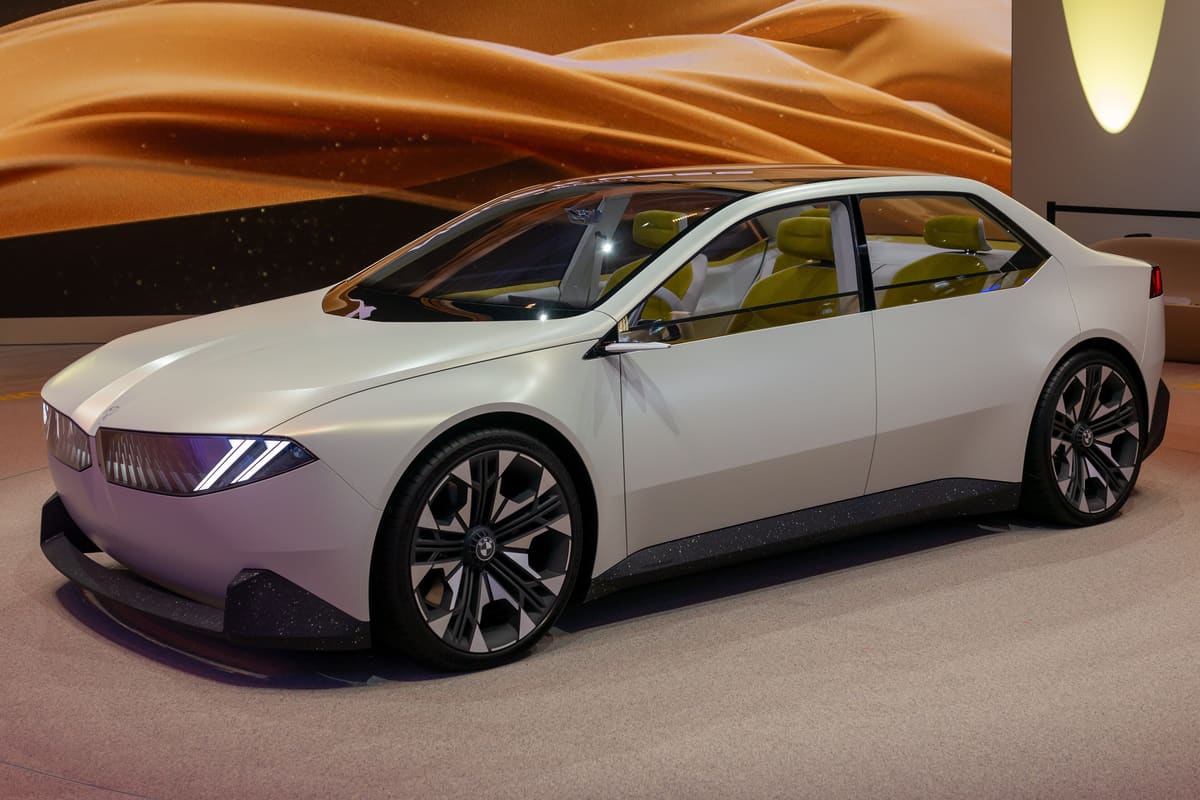
The BMW i3 is generally considered a reliable vehicle, with its dependability improving over the years. Early models faced some issues, but later versions have shown enhanced performance and fewer problems. Overall, the i3’s reliability is solid, making it a practical choice for eco-conscious drivers.
Early Models (2013-2015)
The initial release of the BMW i3 in 2013 introduced a new era of electric vehicles, but it was not without its teething problems. Many owners reported issues with the battery management system and electrical components. While these problems were not widespread, they did affect the perception of reliability during these early years.
The 2014 and 2015 models saw some improvements, with BMW addressing several early concerns. However, the i3’s unique construction, including its carbon fibre reinforced plastic body, raised questions about long-term durability. Regular maintenance and servicing were crucial for these models to ensure reliability.
Mid-Range Models (2016-2018)
By 2016, the BMW i3 began to establish a stronger reputation for reliability. The introduction of the 94Ah battery option offered improved range and performance, which helped to alleviate some concerns from earlier models.
The 2017 and 2018 models continued this trend, with BMW refining the software and hardware. Improvements in the infotainment system and overall build quality contributed to a more dependable driving experience. While some minor electrical issues persisted, they were not significant enough to deter potential buyers.
Later Models (2019-2021)
The final iterations of the BMW i3, produced from 2019 to 2021, showcased the vehicle’s evolution in terms of reliability. With enhancements in battery technology and a more robust electrical system, these models received high praise from owners. The DVSA MOT data indicated a lower rate of failures compared to earlier years, suggesting that BMW had effectively addressed previous issues.
Additionally, the later models featured updated technology and safety features, making them more appealing to a wider audience. The overall reliability of the i3 during this period was commendable, with many owners reporting minimal problems and high satisfaction levels.
Common Issues and Maintenance
Despite its overall reliability, the BMW i3 is not without its common issues. Some owners have reported problems with the electric motor and regenerative braking systems, particularly in earlier models. Regular maintenance is essential to keep these components functioning optimally.
Battery health is another critical aspect of i3 ownership. While the battery is designed to last, it is important to monitor its performance and capacity over time. Ensuring that the vehicle receives regular software updates can also help mitigate potential issues.
Owner Experiences and Feedback
Owner feedback on the BMW i3 has generally been positive, especially regarding its eco-friendly credentials and driving experience. Many drivers appreciate the vehicle’s nimble handling and quiet operation, which contribute to an enjoyable driving experience. However, some have expressed concerns about the limited range of earlier models, which can be a drawback for long-distance travel.
The community of i3 owners often shares tips on maintenance and best practices for maximising battery life. Engaging with fellow owners can provide valuable insights into the vehicle’s performance and reliability over time.
Conclusion: Overall Reliability Assessment
In assessing the overall reliability of the BMW i3, it is clear that the vehicle has improved significantly since its launch in 2013. While early models faced some challenges, subsequent iterations have demonstrated enhanced dependability and owner satisfaction. With proper maintenance and care, the i3 can be a reliable and enjoyable electric vehicle for years to come.
BMW i3 recall record
7 recalls have been issued for the BMW i3, between 2015 and 2022.
During supplier s production process of the battery cells a manufacturing defect occurred with the winding of cell-internal films for the high-voltage battery.
R/2022/322Issued 14 November 2022
During supplier�s production process of the battery cells a manufacturing defect occurred with the winding of cell-internal films for the high-voltage battery.
Remedy:The defective cell module will be replaced.
Affects cars built Nov 2018 to Jul 2021
THE MICRO GAS GENERATOR WITHIN THE FRONT SEATBELT'S RETRACTOR MAY HAVE BEEN DAMAGED
R/2022/089Issued 30 March 2022
The micro gas generator within the front seatbelt�s retractor may have been damaged and may not act according to the specification in the event of an accident.
Remedy:On the affected vehicles the front seatbelts will be checked and replaced if they are found to have been damaged
Affects cars built Jan 2022 to Feb 2022
THE MATERIAL QUALITY OF THE SCREWS USED FOR SEAT BELTS AND REAR SEATS MAY NOT BE TO SPECIFICATIONS.
R/2021/442Issued 29 December 2021
The material quality of seat and seatbelt screws may not be according to specification.
Remedy:On the affected vehicles the screws will be replaced in specific locations on the seat belts or rear seats.
Affects cars built Oct 2021 to Oct 2021
THE CONTROL RING OF THE BACKREST RECLINER IN THE SECOND SEAT ROW MAY BREAK
R/2021/158Issued 28 April 2021
The control ring of the recliner of the backrest in the second seat row may break due to insufficient material performance.
Remedy:On the affected vehicles the seat frames of the second seat row will be replaced.
Affects cars built Feb 2021 to Mar 2021
3 older recalls not shown.
A recall applies to a build range, not to every car of this model. Check a registration to see whether one specific vehicle has an outstanding recall.
BMW i3 MOT record
From 25,672 recorded MOT tests, 10.3% failed.
| Registered | Tests | Failed | Median mileage |
|---|---|---|---|
| 2022 | 2,848 | 7.3% | 17,558 mi |
| 2021 | 3,454 | 6.2% | 23,052 mi |
| 2020 | 4,027 | 8.5% | 28,281 mi |
| 2019 | 3,983 | 9.8% | 35,976 mi |
| 2018 | 3,054 | 9.2% | 43,542 mi |
| 2017 | 3,131 | 13.0% | 54,402 mi |
| 2016 | 2,136 | 14.7% | 57,050 mi |
| 2015 | 1,874 | 15.3% | 60,503 mi |
Most common reasons for failure
- A tyre seriously damaged40.0%
- Tyre tread depth not in accordance with the requirements34.6%
- Brake disc or drum excessively weakened, insecure or fractured11.9%
- A spring or spring component fractured or seriously weakened7.5%
- a brake lining or pad worn below 1.5mm6.0%
Figures cover every BMW i3 tested in the DVSA dataset, not this specific car. Check a registration for the actual history of one vehicle.
Frequently asked questions
How reliable is the BMW i3 compared to other electric cars?
The BMW i3 generally has a good reputation for reliability among electric vehicles. Many owners report fewer issues compared to some other electric models, making it a solid choice.
What common problems should I look out for with a used BMW i3?
Common issues include battery degradation and electrical faults. It's also wise to check for any signs of wear on the interior and exterior, as these can affect overall satisfaction.
Is the BMW i3 expensive to maintain?
Maintenance costs for the BMW i3 are typically lower than for traditional petrol cars. However, specific repairs, especially related to the battery, can be costly.
How long does the BMW i3 battery last?
The battery life of the BMW i3 can vary, but many owners find it lasts for several years with proper care. Regular charging and maintenance can help extend its lifespan.
Are there any recalls on the BMW i3 I should be aware of?
Recalls are issued against individual vehicles rather than a model as a whole, so a model-level yes or no would be guesswork. Enter the registration on Honest Car Check and we check the DVSA record for that specific car. Where DVSA holds no status, confirm it with a franchised dealer using the VIN.
What is the warranty coverage for a used BMW i3?
Warranty coverage can vary depending on the age and mileage of the vehicle. Typically, BMW offers a warranty of up to three years or 60,000 miles for new cars, so check if any warranty remains.
How does the BMW i3 perform in cold weather?
The BMW i3 can experience reduced range in cold weather, similar to other electric vehicles. However, it is equipped with features to help manage battery performance in lower temperatures.
Sources
- DVSA anonymised MOT tests and results (Open Government Licence v3.0)
- DVSA vehicle safety recalls (Open Government Licence v3.0)