Recall history
BMW i3 recall history: what has been recalled and why
BMW i3 recall history: which model years were affected, what was fixed, and how to check your own car.
Updated 4th September 2026 DVSA data: Across 25,672 recorded MOT tests, 10.3% failed.
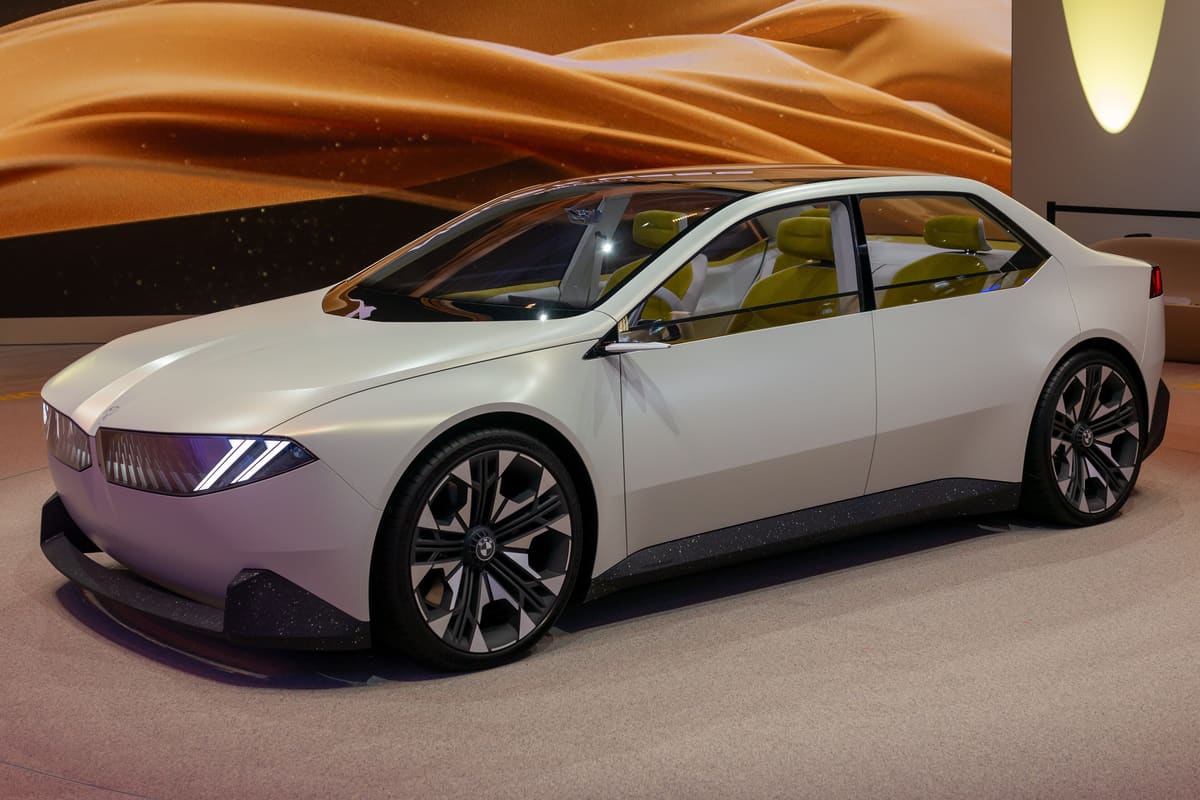
Affected build years range from 2013 to 2019, with most recalls resolved through software updates or component replacements. Owners should check for any outstanding recalls to ensure safety and compliance.
Overview of BMW i3 Recalls
The BMW i3, an electric vehicle launched in 2013, has had a notable recall history. The recalls primarily focus on safety and performance issues, ensuring the vehicle operates as intended. While the i3 is generally regarded as a reliable electric vehicle, these recalls highlight the importance of addressing potential problems to maintain safety standards.
The recalls have involved various components, including the battery management system, electrical wiring, and safety features. The affected build years span from 2013 to 2019, with the majority of recalls being resolved through software updates or physical repairs. Owners are encouraged to stay informed about their vehicle’s recall status to ensure safety and compliance with regulations.
Key Recalls and Their Reasons
One of the most significant recalls for the BMW i3 involved the battery management system. This issue could potentially lead to a loss of power while driving, increasing the risk of an accident. BMW addressed this by updating the software to improve battery management and prevent unexpected power loss.
Another notable recall concerned the vehicle’s electrical system. In some cases, faulty wiring could lead to short circuits, posing a fire risk. BMW rectified this issue by inspecting and replacing affected wiring harnesses as necessary. These recalls underscore the importance of regular maintenance and prompt attention to any manufacturer notifications.
Affected Build Years
The recalls for the BMW i3 primarily affect models produced between 2013 and 2019. The early years of production saw a higher number of recalls as BMW refined the vehicle’s technology and addressed initial manufacturing issues. As the model progressed, the frequency of recalls decreased, indicating improvements in quality control and engineering.
Owners of the i3 should pay particular attention to vehicles manufactured in the earlier years, as they may be more susceptible to the issues that prompted recalls. Checking the vehicle identification number (VIN) against recall databases can help owners determine if their vehicle is affected.
Current Status of Recalls
As of now, most recalls related to the BMW i3 have been resolved. BMW has implemented necessary repairs and software updates to rectify the identified issues. Owners should verify that all recall work has been completed on their vehicles to ensure safety and compliance with regulations.
The DVSA MOT data indicates that the i3 has a relatively high pass rate for MOT tests, suggesting that the majority of vehicles on the road are in good condition. However, owners should remain vigilant and check for any new recalls that may arise as the vehicle ages and technology continues to evolve.
Importance of Staying Informed
For BMW i3 owners, staying informed about recalls is crucial for ensuring vehicle safety and reliability. Regularly checking for updates from BMW and the DVSA can help owners address potential issues before they escalate. Additionally, being proactive about recalls can enhance the resale value of the vehicle, as potential buyers often seek assurance that all necessary repairs have been completed.
Owners can easily check their vehicle’s recall status online using their VIN. This simple step can provide peace of mind and help maintain the vehicle’s performance and safety features. Engaging with local BMW dealerships can also provide valuable information regarding any outstanding recalls and recommended maintenance.
Conclusion
The BMW i3 has had a varied recall history, with several key issues addressed over the years. While the recalls primarily focused on safety and performance, BMW has taken steps to resolve these concerns through updates and repairs. Owners should remain proactive in checking for recalls and ensuring their vehicles are up to date, ultimately contributing to a safer driving experience.
BMW i3 recall record
7 recalls have been issued for the BMW i3, between 2015 and 2022.
During supplier s production process of the battery cells a manufacturing defect occurred with the winding of cell-internal films for the high-voltage battery.
R/2022/322Issued 14 November 2022
During supplier�s production process of the battery cells a manufacturing defect occurred with the winding of cell-internal films for the high-voltage battery.
Remedy:The defective cell module will be replaced.
Affects cars built Nov 2018 to Jul 2021
THE MICRO GAS GENERATOR WITHIN THE FRONT SEATBELT'S RETRACTOR MAY HAVE BEEN DAMAGED
R/2022/089Issued 30 March 2022
The micro gas generator within the front seatbelt�s retractor may have been damaged and may not act according to the specification in the event of an accident.
Remedy:On the affected vehicles the front seatbelts will be checked and replaced if they are found to have been damaged
Affects cars built Jan 2022 to Feb 2022
THE MATERIAL QUALITY OF THE SCREWS USED FOR SEAT BELTS AND REAR SEATS MAY NOT BE TO SPECIFICATIONS.
R/2021/442Issued 29 December 2021
The material quality of seat and seatbelt screws may not be according to specification.
Remedy:On the affected vehicles the screws will be replaced in specific locations on the seat belts or rear seats.
Affects cars built Oct 2021 to Oct 2021
THE CONTROL RING OF THE BACKREST RECLINER IN THE SECOND SEAT ROW MAY BREAK
R/2021/158Issued 28 April 2021
The control ring of the recliner of the backrest in the second seat row may break due to insufficient material performance.
Remedy:On the affected vehicles the seat frames of the second seat row will be replaced.
Affects cars built Feb 2021 to Mar 2021
THE AIR BAG CONTROL UNIT MAY HAVE BEEN EQUIPPED WITH A DEFECTIVE SENSOR FOR THE ROLLOVER DETECTION
R/2020/162Issued 8 June 2020
The air bag control unit may have been equipped with a defective sensor for the rollover detection.
Remedy:The Airbag control unit (ACSM4i) will be replaced on the affected vehicles.
Affects cars built Mar 2020 to Mar 2020
THE ELECTRIC MOTOR ELECTRONICS PRINTED CIRCUIT BOARD WAS NOT MANUFACTURED ACCORDING TO THE SPECIFICATIONS
R/2019/289Issued 3 April 2020
The Electric Motor Electronics (EME) printed circuit board was not manufactured according to specifications
Remedy:The Electric Motor Electronics (EME) of vehicles affected will be replaced.
Affects cars built Jan 2019 to Mar 2019
STEERING MAY NOT BEHAVE AS DESIGNED
R/2015/244Issued 3 December 2015
The engine current sensors have not been calibrated correctly which could lead to an increased recuperation torque during vehicle deceleration. An increased recuperation torque during deceleration could lead to a vehicle oversteer condition in the i3 and vehicle understeer condition in the i8. This could lead to skidding on slippery roads during driving.
Remedy:Recall the vehicles that are likely to be affected and calibrate sensors for measuring the engine current.
Affects cars built Oct 2015 to Nov 2015
A recall applies to a build range, not to every car of this model. Check a registration to see whether one specific vehicle has an outstanding recall.
BMW i3 MOT record
From 25,672 recorded MOT tests, 10.3% failed.
| Registered | Tests | Failed | Median mileage |
|---|---|---|---|
| 2022 | 2,848 | 7.3% | 17,558 mi |
| 2021 | 3,454 | 6.2% | 23,052 mi |
| 2020 | 4,027 | 8.5% | 28,281 mi |
| 2019 | 3,983 | 9.8% | 35,976 mi |
| 2018 | 3,054 | 9.2% | 43,542 mi |
| 2017 | 3,131 | 13.0% | 54,402 mi |
| 2016 | 2,136 | 14.7% | 57,050 mi |
| 2015 | 1,874 | 15.3% | 60,503 mi |
Most common reasons for failure
- A tyre seriously damaged40.0%
- Tyre tread depth not in accordance with the requirements34.6%
- Brake disc or drum excessively weakened, insecure or fractured11.9%
- A spring or spring component fractured or seriously weakened7.5%
- a brake lining or pad worn below 1.5mm6.0%
Figures cover every BMW i3 tested in the DVSA dataset, not this specific car. Check a registration for the actual history of one vehicle.
Frequently asked questions
What recalls have been issued for the BMW i3?
Recalls are issued against individual vehicles rather than a model as a whole, so a model-level yes or no would be guesswork. Enter the registration on Honest Car Check and we check the DVSA record for that specific car. Where DVSA holds no status, confirm it with a franchised dealer using the VIN.
How can I find out if a specific BMW i3 has been recalled?
Recalls are issued against individual vehicles rather than a model as a whole, so a model-level yes or no would be guesswork. Enter the registration on Honest Car Check and we check the DVSA record for that specific car. Where DVSA holds no status, confirm it with a franchised dealer using the VIN.
What should I do if my BMW i3 is affected by a recall?
Recalls are issued against individual vehicles rather than a model as a whole, so a model-level yes or no would be guesswork. Enter the registration on Honest Car Check and we check the DVSA record for that specific car. Where DVSA holds no status, confirm it with a franchised dealer using the VIN.
Are all BMW i3 models affected by the same recalls?
Recalls are issued against individual vehicles rather than a model as a whole, so a model-level yes or no would be guesswork. Enter the registration on Honest Car Check and we check the DVSA record for that specific car. Where DVSA holds no status, confirm it with a franchised dealer using the VIN.
How serious are the issues related to BMW i3 recalls?
Recalls are issued against individual vehicles rather than a model as a whole, so a model-level yes or no would be guesswork. Enter the registration on Honest Car Check and we check the DVSA record for that specific car. Where DVSA holds no status, confirm it with a franchised dealer using the VIN.
Will a recall affect the resale value of my BMW i3?
Recalls are issued against individual vehicles rather than a model as a whole, so a model-level yes or no would be guesswork. Enter the registration on Honest Car Check and we check the DVSA record for that specific car. Where DVSA holds no status, confirm it with a franchised dealer using the VIN.
How often does BMW issue recalls for the i3?
Recalls are issued against individual vehicles rather than a model as a whole, so a model-level yes or no would be guesswork. Enter the registration on Honest Car Check and we check the DVSA record for that specific car. Where DVSA holds no status, confirm it with a franchised dealer using the VIN.
Can I still drive my BMW i3 if it has an open recall?
Recalls are issued against individual vehicles rather than a model as a whole, so a model-level yes or no would be guesswork. Enter the registration on Honest Car Check and we check the DVSA record for that specific car. Where DVSA holds no status, confirm it with a franchised dealer using the VIN.
Sources
- DVSA anonymised MOT tests and results (Open Government Licence v3.0)
- DVSA vehicle safety recalls (Open Government Licence v3.0)