Top fixes
BMW i3 top fixes: how owners handle the common issues
Practical fixes for the common BMW i3 faults owners run into.
Updated 4th September 2026 DVSA data: Across 25,672 recorded MOT tests, 10.3% failed.
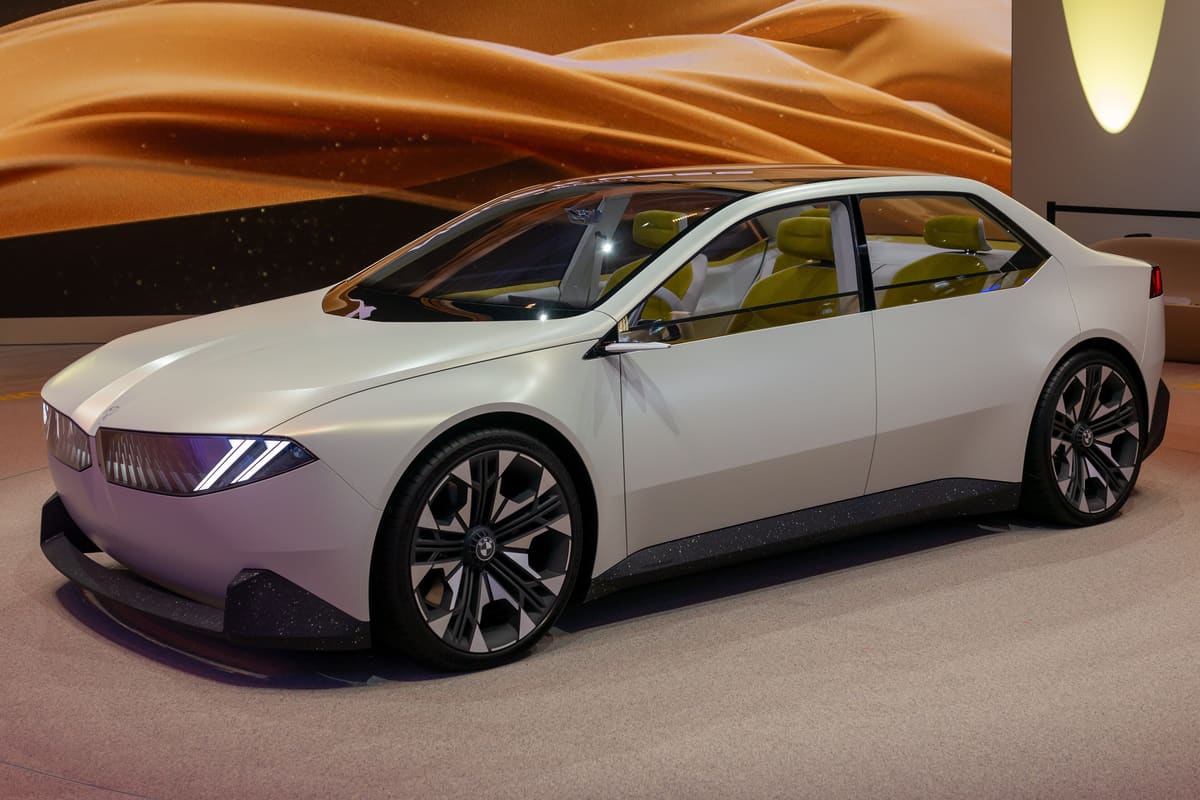
The BMW i3 is a popular electric vehicle, but like any car, it can experience issues. Common problems include battery range anxiety, electrical faults, and interior wear. Fortunately, many of these issues have practical fixes that can enhance the ownership experience and prolong the vehicle’s life.
Battery Range Concerns
One of the most frequently reported issues with the BMW i3 is battery range anxiety. Owners often find that the actual range falls short of the manufacturer’s claims. To address this, regular battery maintenance is essential.
Additionally, using the Eco Pro driving mode can optimise energy consumption, extending the range. Owners should also ensure that software updates are applied, as these can improve battery management systems. Regularly checking tyre pressure and ensuring they are properly inflated can also enhance efficiency and range.
Electrical System Issues
Electrical faults can be a common headache for BMW i3 owners. Symptoms may include malfunctioning displays, erratic charging behaviour, or issues with the infotainment system. A practical fix is to reset the vehicle’s electrical system by disconnecting the 12V battery for a few minutes. This can clear temporary faults and restore normal functionality.
If problems persist, checking for software updates is advisable, as many electrical issues can be resolved through system improvements. Additionally, ensuring that all connections are secure and free of corrosion can prevent future electrical problems. Regular inspections by qualified technicians can help catch potential issues early.
Interior Wear and Tear
The interior of the BMW i3 is known for its unique design, but some owners report premature wear on seats and trim. To combat this, regular cleaning and conditioning of the upholstery can help maintain its appearance. Using appropriate cleaning products designed for the materials used in the i3 can prevent damage.
For more significant wear, consider using seat covers or protective films for high-contact areas. If the damage is extensive, replacement parts are available from BMW dealerships or reputable third-party suppliers. Ensuring that the interior is kept clean and well-maintained can significantly extend its lifespan.
Tyre Wear and Alignment
Tyre wear is another common issue reported by BMW i3 owners. Uneven wear can indicate alignment problems, which can affect handling and efficiency. Regularly checking tyre pressure and ensuring proper alignment can prevent premature tyre wear.
Investing in high-quality tyres that are suitable for electric vehicles can also improve performance and longevity. Owners should rotate their tyres regularly to ensure even wear. If uneven wear is noticed, a professional alignment check is recommended to correct any issues.
Regenerative Braking Performance
The i3 features regenerative braking, which can sometimes become less effective over time. If the regenerative braking feels weak, it may be due to a lack of maintenance or software issues. Regularly checking the brake system and ensuring that the brake fluid is at the correct level can help maintain performance.
Additionally, driving habits can affect regenerative braking efficiency. Owners should aim to anticipate stops and use the brakes gently to maximise energy recovery. If problems persist, a visit to a BMW specialist may be necessary to diagnose and resolve any underlying issues.
Charging Problems
Charging issues are another common complaint among BMW i3 owners. Problems may include slow charging or failure to charge altogether. To resolve these issues, first check the charging cable and connections for any signs of damage or wear. Using a different charging station can also help determine if the issue lies with the vehicle or the charging point.
If the vehicle still does not charge, it may be necessary to reset the charging system by disconnecting the battery. Regular maintenance checks can help identify any faults in the charging system early on. Ensuring that the charging equipment is compatible with the i3 is also crucial for optimal performance.
By addressing these common issues with practical fixes, BMW i3 owners can enhance their driving experience and ensure their vehicle remains reliable for years to come. Regular maintenance and attention to detail are key to enjoying all the benefits that the i3 has to offer.
BMW i3 recall record
7 recalls have been issued for the BMW i3, between 2015 and 2022.
During supplier s production process of the battery cells a manufacturing defect occurred with the winding of cell-internal films for the high-voltage battery.
R/2022/322Issued 14 November 2022
During supplier�s production process of the battery cells a manufacturing defect occurred with the winding of cell-internal films for the high-voltage battery.
Remedy:The defective cell module will be replaced.
Affects cars built Nov 2018 to Jul 2021
THE MICRO GAS GENERATOR WITHIN THE FRONT SEATBELT'S RETRACTOR MAY HAVE BEEN DAMAGED
R/2022/089Issued 30 March 2022
The micro gas generator within the front seatbelt�s retractor may have been damaged and may not act according to the specification in the event of an accident.
Remedy:On the affected vehicles the front seatbelts will be checked and replaced if they are found to have been damaged
Affects cars built Jan 2022 to Feb 2022
THE MATERIAL QUALITY OF THE SCREWS USED FOR SEAT BELTS AND REAR SEATS MAY NOT BE TO SPECIFICATIONS.
R/2021/442Issued 29 December 2021
The material quality of seat and seatbelt screws may not be according to specification.
Remedy:On the affected vehicles the screws will be replaced in specific locations on the seat belts or rear seats.
Affects cars built Oct 2021 to Oct 2021
THE CONTROL RING OF THE BACKREST RECLINER IN THE SECOND SEAT ROW MAY BREAK
R/2021/158Issued 28 April 2021
The control ring of the recliner of the backrest in the second seat row may break due to insufficient material performance.
Remedy:On the affected vehicles the seat frames of the second seat row will be replaced.
Affects cars built Feb 2021 to Mar 2021
3 older recalls not shown.
A recall applies to a build range, not to every car of this model. Check a registration to see whether one specific vehicle has an outstanding recall.
BMW i3 MOT record
From 25,672 recorded MOT tests, 10.3% failed.
| Registered | Tests | Failed | Median mileage |
|---|---|---|---|
| 2022 | 2,848 | 7.3% | 17,558 mi |
| 2021 | 3,454 | 6.2% | 23,052 mi |
| 2020 | 4,027 | 8.5% | 28,281 mi |
| 2019 | 3,983 | 9.8% | 35,976 mi |
| 2018 | 3,054 | 9.2% | 43,542 mi |
| 2017 | 3,131 | 13.0% | 54,402 mi |
| 2016 | 2,136 | 14.7% | 57,050 mi |
| 2015 | 1,874 | 15.3% | 60,503 mi |
Most common reasons for failure
- A tyre seriously damaged40.0%
- Tyre tread depth not in accordance with the requirements34.6%
- Brake disc or drum excessively weakened, insecure or fractured11.9%
- A spring or spring component fractured or seriously weakened7.5%
- a brake lining or pad worn below 1.5mm6.0%
Figures cover every BMW i3 tested in the DVSA dataset, not this specific car. Check a registration for the actual history of one vehicle.
Frequently asked questions
What common issues should I look for in a used BMW i3?
Common issues include battery degradation, electrical faults, and wear on the tyres. It's also wise to check for any signs of water ingress or damage.
How can I tell if the battery is in good condition?
You can check the battery's state of health through a diagnostic tool or by asking for the battery report from the previous owner. A significant drop in range may also indicate battery issues.
Are there any recalls for the BMW i3 I should be aware of?
Recalls are issued against individual vehicles rather than a model as a whole, so a model-level yes or no would be guesswork. Enter the registration on Honest Car Check and we check the DVSA record for that specific car. Where DVSA holds no status, confirm it with a franchised dealer using the VIN.
What maintenance does the BMW i3 require?
The BMW i3 requires regular checks on the brakes, tyres, and battery system. Routine software updates and inspections are also recommended to ensure optimal performance.
Is it expensive to repair a BMW i3?
Repair costs can vary, but some parts may be pricier due to the electric components. It's advisable to get quotes from multiple garages to find the best deal.
How can I improve the range of my BMW i3?
To improve range, ensure the tyres are properly inflated, avoid aggressive driving, and keep the vehicle well-maintained. Using eco-driving modes can also help extend battery life.
What should I do if my BMW i3 shows warning lights?
If warning lights appear, consult the owner's manual for guidance. It is best to have the vehicle checked by a qualified technician to diagnose and fix any underlying issues.
Can I upgrade the software in my BMW i3?
Yes, software upgrades can often be done at a BMW dealership or through authorised service centres. Keeping the software updated can enhance performance and fix known issues.
Sources
- DVSA anonymised MOT tests and results (Open Government Licence v3.0)
- DVSA vehicle safety recalls (Open Government Licence v3.0)