Running costs
BMW i3 running costs: what UK ownership really costs
BMW i3 UK running costs: fuel or electric, insurance group, road tax, servicing and depreciation.
Updated 4th September 2026 DVSA data: Across 25,672 recorded MOT tests, 10.3% failed.
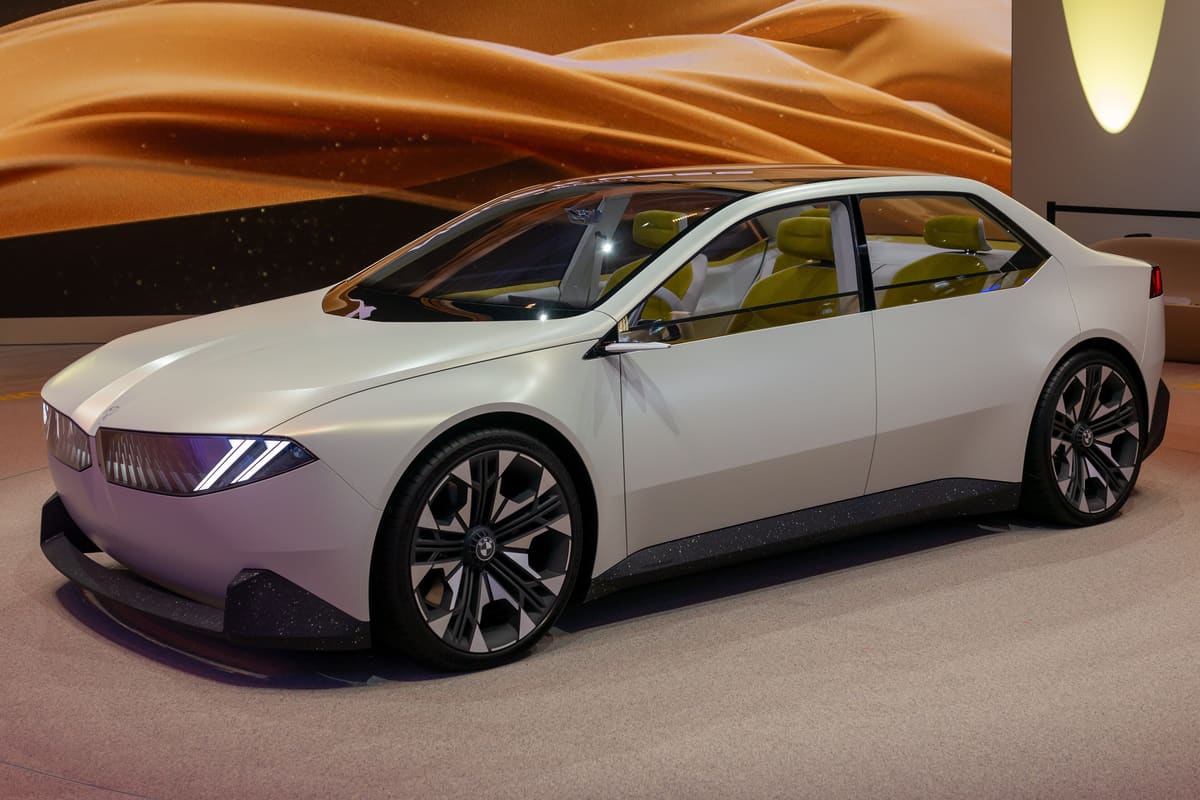
The BMW i3 offers competitive running costs for an electric vehicle, with low fuel expenses, insurance costs, and tax benefits. Servicing is relatively affordable, and depreciation is moderate compared to other electric cars. Overall, the i3 is an economical choice for urban driving and environmentally conscious consumers.
Fuel and Electric Costs
The BMW i3 is an electric vehicle, which means it runs on electricity rather than petrol or diesel. Charging costs vary depending on your energy provider and whether you charge at home or use public charging stations. Public charging may be more expensive, especially at rapid charging stations, but many local councils offer free or subsidised charging options.
For those who drive less than 100 miles a day, the i3 can be an economical choice, as it is cheaper to run than traditional petrol or diesel vehicles. Additionally, electric vehicles benefit from lower maintenance costs since they have fewer moving parts and do not require oil changes.
Insurance Group
The BMW i3 falls into insurance groups that typically range from 22 to 27, depending on the specific model and trim level. This places it in the mid-range for insurance costs compared to other vehicles in its class. Factors influencing insurance premiums include the driver’s age, driving history, and location.
Many insurers offer competitive rates for electric vehicles, recognising their lower risk profile. It is advisable to shop around and compare quotes from different insurance providers to find the best deal. Additionally, some insurers may offer discounts for electric vehicle owners, further reducing overall costs.
Tax Band
As an electric vehicle, the BMW i3 benefits from significant tax advantages. It falls into the zero-emission vehicle category, meaning it is exempt from road tax (Vehicle Excise Duty) in the UK.
Furthermore, electric vehicles are also exempt from the London Congestion Charge and may qualify for local incentives, such as reduced parking fees or grants for home charging installations. These financial benefits make the i3 an attractive option for urban drivers.
Servicing Intervals
The BMW i3 has relatively low servicing costs and intervals compared to traditional vehicles. The recommended servicing schedule is every 18,000 miles or every two years, whichever comes first. This interval is longer than many petrol or diesel cars, which often require servicing every 12 months or 10,000 to 15,000 miles.
Servicing typically includes checks on the battery system, brakes, and software updates, which are crucial for maintaining the vehicle’s performance and safety. Many owners report that servicing costs for the i3 are lower than for conventional vehicles, thanks to the reduced wear and tear on components.
Typical Depreciation
Depreciation for the BMW i3 is moderate compared to other electric vehicles. While electric cars generally depreciate faster than their petrol or diesel counterparts due to the rapid advancements in technology, the i3 holds its value relatively well. Factors such as mileage, condition, and market demand influence its resale value.
On average, the i3 may lose around 40-50% of its value over the first five years. However, its unique design and reputation for quality can help maintain interest in the used market. Owners looking to sell may find that the i3’s appeal remains strong, especially among environmentally conscious buyers.
Conclusion
The BMW i3 offers a compelling package of low running costs, tax benefits, and moderate depreciation, making it an attractive option for those considering an electric vehicle. With affordable charging costs, competitive insurance rates, and longer servicing intervals, the i3 is well-suited for urban driving and eco-friendly lifestyles.
BMW i3 recall record
7 recalls have been issued for the BMW i3, between 2015 and 2022.
During supplier s production process of the battery cells a manufacturing defect occurred with the winding of cell-internal films for the high-voltage battery.
R/2022/322Issued 14 November 2022
During supplier�s production process of the battery cells a manufacturing defect occurred with the winding of cell-internal films for the high-voltage battery.
Remedy:The defective cell module will be replaced.
Affects cars built Nov 2018 to Jul 2021
THE MICRO GAS GENERATOR WITHIN THE FRONT SEATBELT'S RETRACTOR MAY HAVE BEEN DAMAGED
R/2022/089Issued 30 March 2022
The micro gas generator within the front seatbelt�s retractor may have been damaged and may not act according to the specification in the event of an accident.
Remedy:On the affected vehicles the front seatbelts will be checked and replaced if they are found to have been damaged
Affects cars built Jan 2022 to Feb 2022
THE MATERIAL QUALITY OF THE SCREWS USED FOR SEAT BELTS AND REAR SEATS MAY NOT BE TO SPECIFICATIONS.
R/2021/442Issued 29 December 2021
The material quality of seat and seatbelt screws may not be according to specification.
Remedy:On the affected vehicles the screws will be replaced in specific locations on the seat belts or rear seats.
Affects cars built Oct 2021 to Oct 2021
THE CONTROL RING OF THE BACKREST RECLINER IN THE SECOND SEAT ROW MAY BREAK
R/2021/158Issued 28 April 2021
The control ring of the recliner of the backrest in the second seat row may break due to insufficient material performance.
Remedy:On the affected vehicles the seat frames of the second seat row will be replaced.
Affects cars built Feb 2021 to Mar 2021
3 older recalls not shown.
A recall applies to a build range, not to every car of this model. Check a registration to see whether one specific vehicle has an outstanding recall.
BMW i3 MOT record
From 25,672 recorded MOT tests, 10.3% failed.
| Registered | Tests | Failed | Median mileage |
|---|---|---|---|
| 2022 | 2,848 | 7.3% | 17,558 mi |
| 2021 | 3,454 | 6.2% | 23,052 mi |
| 2020 | 4,027 | 8.5% | 28,281 mi |
| 2019 | 3,983 | 9.8% | 35,976 mi |
| 2018 | 3,054 | 9.2% | 43,542 mi |
| 2017 | 3,131 | 13.0% | 54,402 mi |
| 2016 | 2,136 | 14.7% | 57,050 mi |
| 2015 | 1,874 | 15.3% | 60,503 mi |
Most common reasons for failure
- A tyre seriously damaged40.0%
- Tyre tread depth not in accordance with the requirements34.6%
- Brake disc or drum excessively weakened, insecure or fractured11.9%
- A spring or spring component fractured or seriously weakened7.5%
- a brake lining or pad worn below 1.5mm6.0%
Figures cover every BMW i3 tested in the DVSA dataset, not this specific car. Check a registration for the actual history of one vehicle.
Frequently asked questions
What are the average running costs for a BMW i3?
The average running costs for a BMW i3 can vary based on usage, but generally, you can expect lower costs compared to traditional petrol cars. Factors include electricity prices, maintenance, and insurance.
How much does it cost to charge a BMW i3?
Charging a BMW i3 typically costs between £3 to £5 for a full charge, depending on your electricity tariff. Public charging stations may have different rates, so it's worth checking before you charge.
What is the maintenance cost for a BMW i3?
Maintenance costs for a BMW i3 are generally lower than for conventional vehicles due to fewer moving parts. Regular servicing is recommended, and costs can vary based on the service provider.
Is insurance for a BMW i3 expensive?
Insurance for a BMW i3 can be relatively affordable, especially compared to higher-performance vehicles. However, premiums will depend on factors like your driving history and location.
How does the BMW i3's depreciation compare to other cars?
The BMW i3 tends to depreciate at a different rate compared to traditional cars, often due to its electric nature. While electric vehicles may depreciate faster initially, they can hold value well in the long term.
Are there any government incentives for owning a BMW i3?
Yes, the UK government has offered various incentives for electric vehicle owners, including grants for purchasing electric cars and reduced road tax. It's advisable to check current schemes as they can change.
What are the tax benefits of owning a BMW i3?
Owning a BMW i3 can provide tax benefits such as lower road tax rates and potential exemptions from congestion charges in certain areas. These benefits can help reduce overall running costs.
Sources
- DVSA anonymised MOT tests and results (Open Government Licence v3.0)
- DVSA vehicle safety recalls (Open Government Licence v3.0)