MOT failure rates
BMW i3 MOT failure rates: what to expect
What fails on a BMW i3 at MOT, how often, and what each fix typically costs.
Updated 4th September 2026 DVSA data: Across 25,672 recorded MOT tests, 10.3% failed.
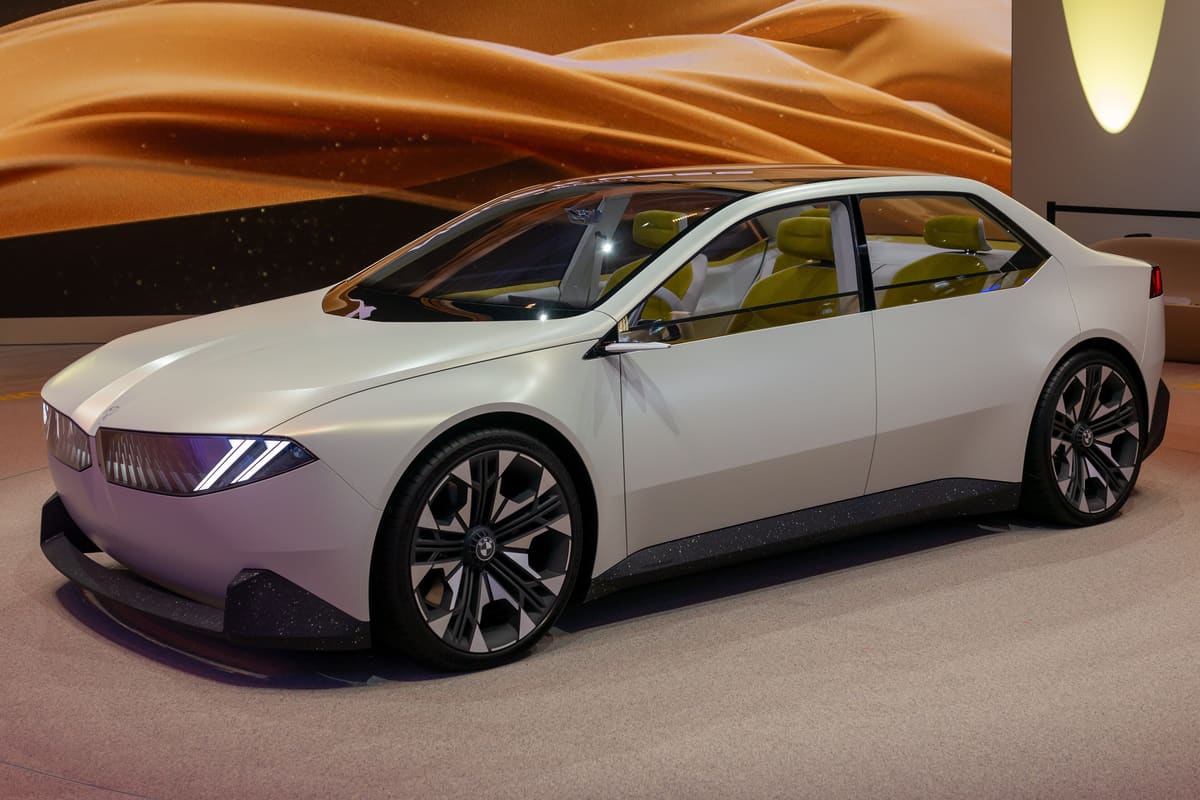
The BMW i3 is known for its unique design and electric performance, but like any vehicle, it can encounter issues during its MOT. Common failures include problems with the brakes, suspension, and electrical systems. Understanding these issues and their typical repair costs can help owners maintain their vehicles effectively.
Brake System Failures
The brake system is crucial for safety, and issues here are among the most common MOT failures for the BMW i3. Problems can arise from worn brake pads, damaged discs, or fluid leaks.
Regular checks and maintenance can prevent these issues from escalating, ensuring the brakes remain in good working order.
Suspension Problems
Suspension issues can lead to an MOT failure, particularly if components like shock absorbers or springs are worn or damaged. The BMW i3’s suspension system is designed for comfort and handling, but wear and tear can affect performance.
Regular inspections can help identify problems early, allowing for timely repairs and avoiding more costly fixes later.
Electrical System Malfunctions
The BMW i3 is heavily reliant on its electrical systems, and faults in components such as lights, batteries, or wiring can lead to MOT failures. Common issues include faulty headlights or indicators, which are essential for safe driving.
Keeping an eye on electrical components and addressing issues promptly can help ensure a successful MOT.
Tyre Condition and Tread Depth
Tyres are vital for safety and performance, and their condition is a common area of concern during the MOT. The BMW i3 requires tyres that meet legal tread depth requirements and are free from damage.
Regularly checking tyre pressure and tread depth can help avoid MOT failures and improve overall safety.
Bodywork and Structural Integrity
Bodywork issues, such as rust or damage to structural components, can also lead to MOT failures. The BMW i3’s unique design may make it more susceptible to certain types of damage, particularly if it has been involved in an accident.
Regular inspections can help identify rust or damage early, allowing for more affordable repairs and maintaining the vehicle’s integrity.
Emissions and Environmental Standards
As an electric vehicle, the BMW i3 has different emissions standards compared to traditional petrol or diesel cars. However, issues with the electric motor or battery can still affect its performance and compliance during the MOT.
Regular maintenance of the electric system can help ensure compliance and avoid costly repairs down the line.
Understanding these common MOT failures and their associated costs can help BMW i3 owners prepare for their annual tests. Regular maintenance and prompt repairs can significantly reduce the likelihood of failures, ensuring the vehicle remains safe and roadworthy.
BMW i3 recall record
7 recalls have been issued for the BMW i3, between 2015 and 2022.
During supplier s production process of the battery cells a manufacturing defect occurred with the winding of cell-internal films for the high-voltage battery.
R/2022/322Issued 14 November 2022
During supplier�s production process of the battery cells a manufacturing defect occurred with the winding of cell-internal films for the high-voltage battery.
Remedy:The defective cell module will be replaced.
Affects cars built Nov 2018 to Jul 2021
THE MICRO GAS GENERATOR WITHIN THE FRONT SEATBELT'S RETRACTOR MAY HAVE BEEN DAMAGED
R/2022/089Issued 30 March 2022
The micro gas generator within the front seatbelt�s retractor may have been damaged and may not act according to the specification in the event of an accident.
Remedy:On the affected vehicles the front seatbelts will be checked and replaced if they are found to have been damaged
Affects cars built Jan 2022 to Feb 2022
THE MATERIAL QUALITY OF THE SCREWS USED FOR SEAT BELTS AND REAR SEATS MAY NOT BE TO SPECIFICATIONS.
R/2021/442Issued 29 December 2021
The material quality of seat and seatbelt screws may not be according to specification.
Remedy:On the affected vehicles the screws will be replaced in specific locations on the seat belts or rear seats.
Affects cars built Oct 2021 to Oct 2021
THE CONTROL RING OF THE BACKREST RECLINER IN THE SECOND SEAT ROW MAY BREAK
R/2021/158Issued 28 April 2021
The control ring of the recliner of the backrest in the second seat row may break due to insufficient material performance.
Remedy:On the affected vehicles the seat frames of the second seat row will be replaced.
Affects cars built Feb 2021 to Mar 2021
3 older recalls not shown.
A recall applies to a build range, not to every car of this model. Check a registration to see whether one specific vehicle has an outstanding recall.
BMW i3 MOT record
From 25,672 recorded MOT tests, 10.3% failed.
| Registered | Tests | Failed | Median mileage |
|---|---|---|---|
| 2022 | 2,848 | 7.3% | 17,558 mi |
| 2021 | 3,454 | 6.2% | 23,052 mi |
| 2020 | 4,027 | 8.5% | 28,281 mi |
| 2019 | 3,983 | 9.8% | 35,976 mi |
| 2018 | 3,054 | 9.2% | 43,542 mi |
| 2017 | 3,131 | 13.0% | 54,402 mi |
| 2016 | 2,136 | 14.7% | 57,050 mi |
| 2015 | 1,874 | 15.3% | 60,503 mi |
Most common reasons for failure
- A tyre seriously damaged40.0%
- Tyre tread depth not in accordance with the requirements34.6%
- Brake disc or drum excessively weakened, insecure or fractured11.9%
- A spring or spring component fractured or seriously weakened7.5%
- a brake lining or pad worn below 1.5mm6.0%
Figures cover every BMW i3 tested in the DVSA dataset, not this specific car. Check a registration for the actual history of one vehicle.
Frequently asked questions
What is the BMW i3 mot requirements?
The BMW i3 must undergo an MOT test once it is three years old. This annual test checks the vehicle's safety, roadworthiness, and emissions.
How can I check the MOT status of a BMW i3?
You can check the MOT status of a BMW i3 by visiting the official UK government website. You will need the vehicle's registration number to access the information.
What common issues might affect the BMW i3 during its MOT?
Common issues that may arise during an MOT for the BMW i3 include battery performance, tyre condition, and brake efficiency. Regular maintenance can help prevent these problems.
What should I do if my BMW i3 fails its MOT?
If your BMW i3 fails its MOT, you will receive a list of issues that need to be addressed. You must fix these problems and have the vehicle retested before you can legally drive it.
Can I drive my BMW i3 if the MOT has expired?
You cannot legally drive your BMW i3 if the MOT has expired, unless you are driving it to a pre-booked MOT appointment. It is important to renew the MOT on time.
Are there any exemptions for the BMW i3 regarding MOT?
Electric vehicles like the BMW i3 are not exempt from the MOT test. All vehicles over three years old must have a valid MOT certificate to be roadworthy.
Sources
- DVSA anonymised MOT tests and results (Open Government Licence v3.0)
- DVSA vehicle safety recalls (Open Government Licence v3.0)